
Companion Plants
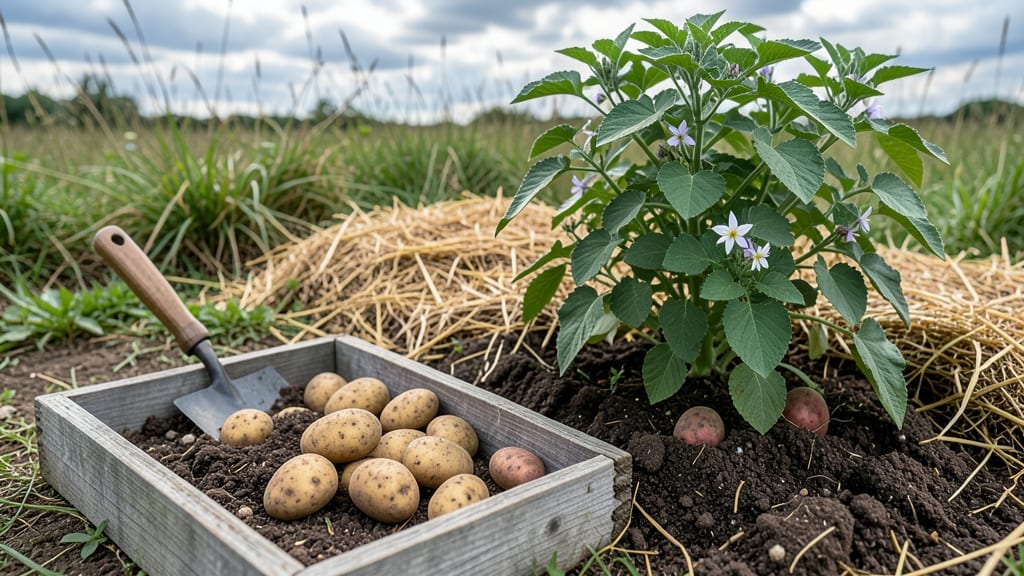
If you're asking "when can I plant potatoes in Georgia", timing is everything—because those crisp, homegrown 🥔 need just the right conditions to thrive. Plant too early, and frost will nip your sprouts before they start.
Wait too long, and you might miss the sweet spot for a bumper harvest before summer heat sets in.
Georgia's climate—especially in USDA zones 7b-8b—means you can start as early as February for cold-hardy varieties, but most gardeners aim for March to April to avoid late frosts. The key? Soil temperatures need to hit at least 40-50°F before you stick those seed potatoes in the ground.
Here’s the game-changer: Early varieties give you a spring harvest by June, while late plantings can stretch your yield into August. But don’t just guess—we’ll break down the exact frost-free deadlines and soil prep tricks to make sure your potatoes grow like a dream, not a gamble.
Ready to dig in? Let’s map out the perfect planting window for your Georgia garden, so you can enjoy fresh, homegrown spuds all season long.
Georgia’s frost-free deadlines for planting potatoes by region
Georgia’s diverse climate means potato planting windows vary dramatically from the cool mountains of North Georgia to the warmer coastal plains of South Georgia. In USDA Zones 7-8 (North Georgia), you’ll want to plant 4-6 weeks before your last frost date, typically between mid-February and early March.
Meanwhile, gardeners in Zones 8-9 (Central/South Georgia) can start as early as late January and extend planting through mid-April.
Missed the spring window? No problem! Georgia’s mild winters allow for fall planting in Zones 8-9, with a late August to early September target for a harvest before the first frost.
In Zones 7-8, fall planting is riskier but possible with row covers or cold frames to protect tender sprouts.
Here’s the breakdown you need to avoid frost damage and maximize yields:
🥔 Georgia Potato Planting Windows by Region
| Region | USDA Zone | Last Frost Date | Ideal Planting Window | Fall Planting Window | Harvest Time |
|---|---|---|---|---|---|
| North Georgia | 7-8 | March 15 | Mid-Feb to Early Mar | Risky (use covers) | April-June |
| Central Georgia | 8a | March 1 | Late Jan to Mid-Apr | Late Aug-Early Sep | March-July or Oct-Nov |
| South Georgia | 8b-9 | February 15 | Late Jan to Mid-Apr | Late Aug-Sept 15 | March-August or Oct-Dec |
For North Georgia gardeners, early varieties like Yukon Gold or Red Pontiac thrive when planted in February, while late varieties like Russet can handle March planting.
In South Georgia, you can even plant early potatoes in January for a spring harvest, then follow up with summer varieties for a fall crop.
Pro tip: Use frost cloth to extend your planting window by 2-3 weeks in cooler zones. Simply drape it over seed potatoes until sprouts emerge, then remove it to avoid overheating.
Missed the spring window? Don’t despair—fall planting is a great strategy for Zones 8-9. Plant seed potatoes in late August for a harvest before the first frost, typically around November.
Just be sure to choose early-maturing varieties like Kennebec or Dark Red Norland to ensure they reach maturity before cold sets in.
Always check your local frost dates using the Georgia Climate Project or your county extension office, as microclimates can shift planting windows by 1-2 weeks. For example, Atlanta’s last frost often arrives 10 days later than Blue Ridge Mountain areas.
Remember: Soil temperature matters just as much as frost dates. Even if the air is warm, cold soil can stunt growth. Aim for 40-50°F soil temps before planting—we’ll cover how to test this in the next section.
Soil temperature & depth requirements for potato success in Georgia
Georgia’s potato planting success hinges on two critical factors: soil temperature and planting depth. Unlike northern states, our mild winters mean you can start earlier—but only if the soil warms enough to support root growth.
Aim for 40-50°F soil temps before planting, as cooler soils slow sprouting and invite rot.
To test soil readiness, stick a soil thermometer 4 inches deep. If it reads below 45°F, wait a few more days. Pro tip: Black plastic mulch warms soil faster—lay it down 1-2 weeks before planting for a head start in cooler zones like North Georgia.
| Requirement | Specification |
|---|---|
| Soil Temperature | 40-50°F (minimum) |
| Planting Depth | 4 inches (seed potatoes) |
| Spacing | 12 inches apart, rows 3 feet apart |
| Soil pH | 5.0-6.5 (slightly acidic) |
| Moisture Level | Well-drained, consistently moist |
Depth matters just as much as timing. Plant seed potatoes 4 inches deep, eyes facing up, to prevent scab disease (common in Georgia’s humid summers).
For smaller varieties like 'Yukon Gold,' reduce depth to 3 inches, while larger types like 'Russet' can handle 5 inches. Loosen soil 6-8 inches deep before planting to encourage tuber formation.
One Georgia-specific challenge? Heavy clay soils in the Piedmont region. Amend with compost or sand to improve drainage—potatoes hate soggy roots. If your soil drains poorly, plant on mounds or ridges to prevent rot during our frequent spring rains.
After planting, hill soil around stems as they grow (every 2-3 weeks) to protect tubers from sunlight (which turns them green and toxic). In South Georgia’s hotter zones, mulch with straw or grass clippings to retain moisture and keep soil temps stable during summer’s peak heat.
Remember: Soil prep is half the battle. Test your soil’s pH (ideal: 5.0-6.5) and add aged compost or a balanced fertilizer (10-10-10) at planting. Georgia’s humidity and heat demand extra care—don’t skip these steps, or you’ll risk blight and poor yields.