
Plants
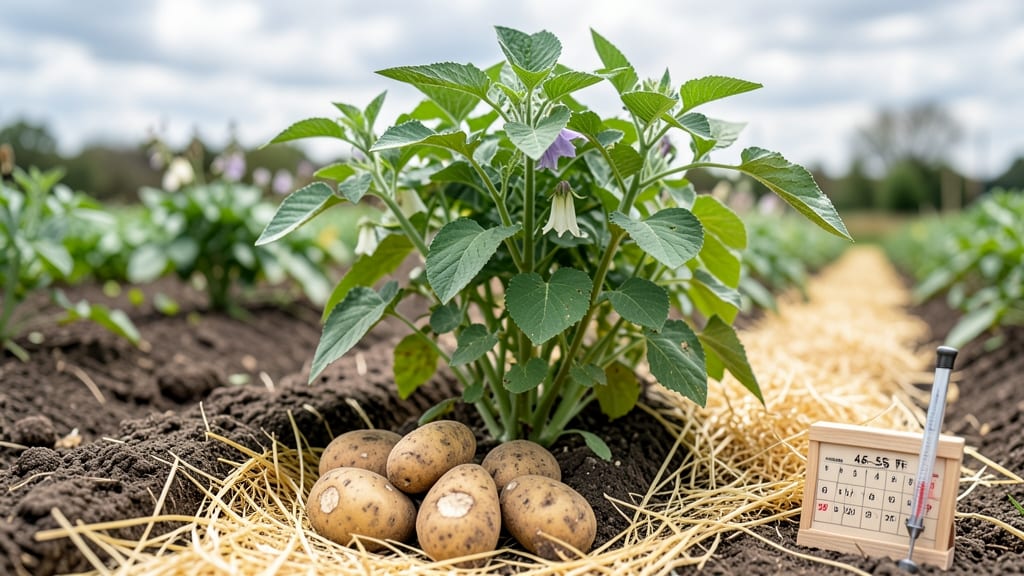
Timing when should you plant potatoes in Ohio isn’t just about throwing seeds in the ground—it's the difference between a bumper crop and wasted effort. With USDA Zone 6a frost dates looming, planting too early risks frost damage, while waiting too long cuts your harvest window short.
I’ve seen firsthand how a 2-4 week window shift can mean the difference between flourishing tubers and stunted growth. The key? Start planting when soil hits 45°F—typically late February to early April—so your potatoes get a head start before that April 15 last-frost deadline.
But here’s the catch: not all potatoes thrive on the same schedule. Early varieties like 'Yukon Gold' need 90 days to mature, while late-season types can stretch to 120 days.
I’ll break down how to match your variety to Ohio’s short growing season and avoid common pitfalls that even experienced gardeners fall for.
Ready to turn your backyard into a potato powerhouse? Let’s dive into the exact steps—soil prep, frost-proofing, and all—to ensure your June-August harvest is the best Ohio has to offer.
Ohio potato planting timeline: soil temperature & frost-free date guide
Ohio’s variable climate means potato planting success hinges on soil temperature and last frost dates. Unlike warmer states, Ohio’s USDA Zone 6a demands precise timing—plant too early, and frost will kill tender sprouts; too late, and your harvest shrinks.
The magic window? 2-4 weeks before your average last frost date, when soil warms to 45-50°F.
For most Ohio gardeners, this translates to mid-March to early April. However, Northern Ohio (e.g., Cleveland, Toledo) may need to wait until late April, while Southern Ohio (e.g., Cincinnati, Columbus) can start as early as early March.
Always check your local frost-free date—Ohio’s ranges from April 15 (North) to April 5 (South).
Here’s the critical rule: Never plant when soil is below 45°F. Cold soil slows germination, leaving seedlings vulnerable to rot. Use a soil thermometer to confirm—if it’s consistently above 45°F for 3+ days, it’s go time.
Pro tip: Black plastic mulch can warm soil by 5-10°F, giving you a 2-week earlier planting window.
Ohio’s short growing season (about 165 frost-free days) means you’ll need to choose varieties wisely. Early-season types like ‘Yukon Gold’ (90 days) or ‘Red LaSoda’ (80 days) are safest for Northern Ohio, while mid-season ‘Kennebec’ (110 days) works better in Southern Ohio.
Stagger planting by 2-3 weeks to extend harvests from June to August.
| Region | Last Frost Date | Ideal Planting Window | Soil Temp Requirement | Best Varieties |
|---|---|---|---|---|
| Northern Ohio (Cleveland, Toledo) | April 15 | Late March–Early April | 45–50°F | ‘Yukon Gold’, ‘Red Norland’ |
| Central Ohio (Columbus) | April 1 | Mid-March–Late March | 45–50°F | ‘Kennebec’, ‘Russet’ |
| Southern Ohio (Cincinnati) | March 25 | Early March–Mid-March | 45–50°F | ‘Sweet Potato’, ‘Adirondack Red’ |
🌱 Pro Tip: Use a planting calendar like Old Farmer’s Almanac for hyper-localized dates.
Ohio’s unpredictable springs can throw off even the best-laid plans. If frost threatens after planting, cover seedlings with frost cloth or a lightweight row cover. For extra insurance, opt for container growing—move pots indoors during cold snaps. Just ensure containers have drainage holes to prevent rot.
Don’t forget: Potatoes need 60–120 days to mature, depending on the variety. If you plant too late (after mid-April in Northern Ohio), you’ll harvest small, underdeveloped tubers.
Conversely, planting too early risks frost damage to emerging sprouts. Aim for a balance: 4–6 weeks before your last frost is ideal for most Ohio gardeners.
For second crops, try late-season varieties like ‘Purple Viking’ (120 days) planted in early June. Use black plastic mulch to extend the season by 2–3 weeks, trapping heat and warding off early frosts.
Just remove the mulch 2 weeks before harvest to avoid green potatoes (toxic if eaten).
Ohio’s humid summers also demand vigilance. Once plants flower, reduce watering slightly to prevent scab disease, but keep soil consistently moist (1–2 inches of water per week). Mulch with straw or grass clippings to retain moisture and suppress weeds—this is non-negotiable in Ohio’s competitive garden beds.
Finally, test your soil before planting. Ohio’s clay-heavy soils often need amendments like compost or sand to improve drainage. Aim for a pH of 5.0–6.5—potatoes thrive in slightly acidic soil. If your soil is too alkaline, add peat moss or sulfur
Ohio potato planting timeline: soil temperature & frost-free date guide
Ohio’s USDA Zone 6a climate creates a tight window for planting potatoes—get it wrong, and you risk frost damage or blight from wet springs. The key is planting when soil hits 45-50°F and counting 165 frost-free days to harvest.
Northern Ohio (e.g., Cleveland) averages a last frost date of April 15, while Southern Ohio (e.g., Cincinnati) can plant 2-3 weeks earlier.
For early varieties like 'Red LaSoda' (60-70 days to harvest), aim for late February to early March in containers or greenhouses. Maincrop varieties such as 'Kennebec' (90-110 days) need mid-April planting to avoid blight. Use a soil thermometer—cold soil delays sprouting, wasting your window.
| Region | Last Frost Date | Ideal Planting Window | Soil Temp Goal | Harvest Window |
|---|---|---|---|---|
| Northern Ohio (Cleveland) | April 15 | March 15–April 1 | 45–50°F | June 20–July 15 |
| Central Ohio (Columbus) | April 1 | March 1–March 15 | 45–50°F | June 10–July 10 |
| Southern Ohio (Cincinnati) | March 20 | February 20–March 1 | 45–50°F | May 20–June 15 |
Pro tip: Use black plastic mulch to warm soil faster—it can shave 1-2 weeks off your planting timeline. Lay it down 2 weeks before your target date.
For late varieties, try staggered planting: plant a second batch in early May for a fall harvest (use row covers to extend the season).
Watch for false springs—Ohio’s unpredictable weather can bring late frosts in May. Harden off seedlings and keep frost cloth handy. If night temps dip below 32°F after planting, cover rows with lightweight fabric or straw mulch to protect sprouts.
Missed the window? Don’t panic. Ohio’s short season allows for container growing—plant in 5-gallon buckets and move them to a sunny porch or greenhouse in late spring.
Just ensure pots have drainage holes to prevent rot. For ground planting, focus on early-maturing varieties like 'Yukon Gold' (80 days) or 'Adirondack Red' (75 days).
Remember: Soil temperature > air temperature. Test with a soil thermometer at 4-inch depth—this is your true guide, not the calendar. Once sprouts emerge, hill soil around stems every 2 weeks to encourage tuber formation. With this timing, you’ll beat Ohio’s blight season and enjoy a bumper crop.