
Flowers
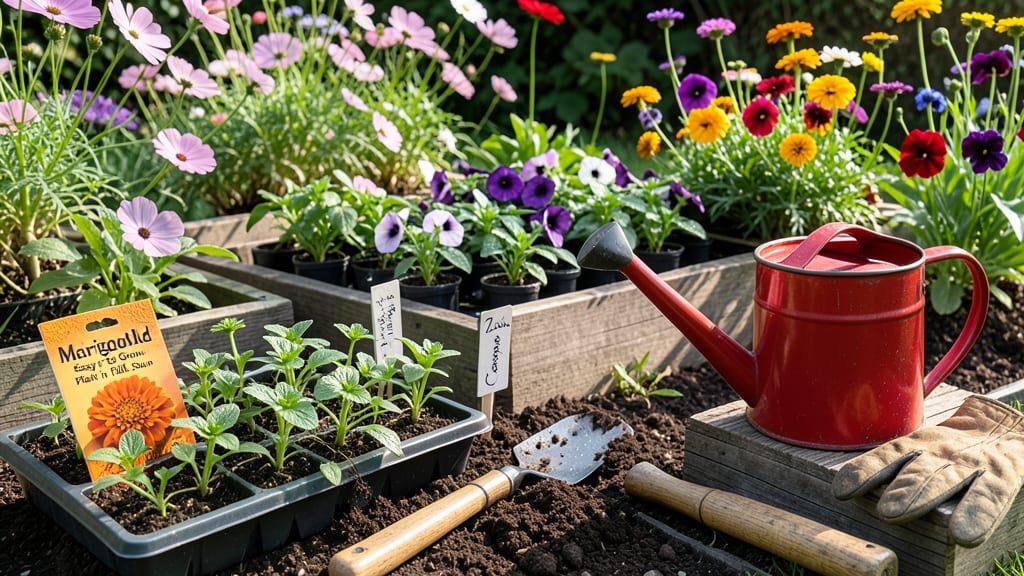
When to plant flower seeds in Massachusetts just right can mean the difference between a vibrant garden and a sad, frost-nipped disappointment. With coastal areas like Cape Cod enjoying 200 frost-free days while inland spots in the Berkshires might only get 160, guessing won’t cut it—you need a strategy tailored to your microclimate.
Most gardeners in zones 5b-7a reach for their seed packets between March and May, but that’s only half the story. Fall planting from August to September gives you a second chance at blooms, and knowing when to start seeds indoors versus direct-sowing outdoors makes all the difference.
In this guide, I’ll break down the exact planting windows for your specific corner of Massachusetts—whether you’re battling late spring frosts in Worcester or racing against summer heat on Nantucket.
You’ll learn which flower seeds thrive in each microclimate and how to adjust for unpredictable weather without losing your garden dreams.
Ready to stop second-guessing and start planting with confidence? Let’s get those seeds in the ground at the perfect moment.
Massachusetts flower seed planting dates by microclimate: coastal vs inland guide
Massachusetts’ diverse geography—from the warmer Cape Cod coast to the colder Berkshire Mountains—creates planting zones that can differ by 3-4 weeks. Coastal areas (like Provincetown or Nantucket) often enjoy 2-3 weeks earlier last frost dates than inland spots (like Worcester or Springfield).
This means your spring planting window could shift from late March to mid-April depending on location.
For accurate timing, check the USDA Hardiness Zone map—most of Massachusetts falls in zones 5b-7a. Coastal regions (zone 6b-7a) allow earlier sowing, while inland valleys (zone 5b-6a) demand patience.
Always align your schedule with average last frost dates, which typically range from April 15 (coastal) to May 1 (inland).
Here’s how to match your microclimate to the right planting window:
| Region | USDA Zone | Last Frost (Avg.) | Spring Planting Window | Fall Planting Window |
|---|---|---|---|---|
| Coastal (e.g., Cape Cod, Nantucket) | 6b-7a | April 1-15 | Late March–mid-April | Mid-August–early September |
| Eastern MA (Boston, Worcester) | 6a-6b | April 15-30 | Mid-April–early May | Late August–mid-September |
| Western MA (Berkshires, Springfield) | 5b-6a | May 1-15 | Early May–mid-May | Early–mid-September |
| Northern MA (Pittsfield, Greenfield) | 5a-5b | May 15-31 | Mid-May–early June | Late August–early September |
Annual flowers like marigolds or zinnias thrive when sown 2-3 weeks after your last frost date, while hardy perennials (e.g., cone flowers) can handle early spring sowing or even fall planting for earlier blooms next year.
Coastal gardeners can push spring sowing to late March, but inland gardeners should wait until mid-May for heat-loving varieties like sunflowers.
For fall planting, aim to sow 6-8 weeks before your first frost (typically mid-August to early September). This gives seeds time to germinate and establish roots before winter. Black-eyed Susans and goldenrod are excellent choices for fall-sown perennials—they’ll reward you with early spring blooms.
Pro tip: Use row covers or cold frames to extend your coastal planting window into February for early varieties like snapdragons or pansies. Inland gardeners can mimic this with seedling heat mats to jumpstart growth.
Always verify local conditions using the Massachusetts Agricultural Extension Service or Almanac frost date tools. A 5-degree temperature swing can delay germination by 1-2 weeks, so flexibility is key—especially in transitional zones like Worcester or Framingham.
🌱
How to adjust planting times for Massachusetts’ unpredictable weather patterns
Massachusetts’ weather can throw off even the most experienced gardener—one week of 60°F warmth in March might tempt you to sow, but a late frost in May can wipe out seedlings overnight.
The key is flexibility. I’ve learned to adjust planting times based on soil temperature, microclimate shifts, and real-time forecasts, not just the calendar.
Start by checking soil temperature—most flower seeds need 40-70°F to germinate. Use a soil thermometer (just $10 at garden centers) to confirm readiness. For example, coastal Cape Cod might hit 55°F by late March, while inland Worcester may not reach it until mid-April.
This 2-week gap can mean the difference between thriving blooms and a failed garden.
🌱
⚠️ Callout Warning: Late Frost Risks
Never plant cold-sensitive seeds (like marigolds or petunias) before May 15 in inland areas—even if coastal zones are frost-free. Use row covers or seedling heat mats ($15-$25) to buy time for early sowings. The Berkshires and Pioneer Valley average 2-3 late frosts after April 15, so delay until after Mother’s Day for safety.
Pro Tip: Sign up for local frost alerts via the National Weather Service Boston or use apps like Frost Date Finder to track your specific USDA Zone 5b-7a area.
For summer-blooming annuals (e.g., cosmos or zinnias), I make a backup planting plan. Sow half your seeds indoors in late May and the other half directly outdoors in June.
This hedge against unpredictable heatwaves that can stress seedlings. In 2020’s early June heatwave, my outdoor-sown zinnias bolted, but my indoor-started batch thrived.
Fall planting is trickier—aim to sow 6-8 weeks before your first frost (typically mid-August to early September inland, early September coastal). Use fast-germinating varieties like pansies or snapdragons, which tolerate cooler soils. I’ve had deadheading pansies bloom until Christmas in Zone 6b with proper mulching.
🌡️
If you’re in a high-risk zone (e.g., North Shore or Western MA), extend your season with cold frames or low tunnels. These can push first sowings 3-4 weeks earlier by trapping heat.
For example, I planted calendula seeds under a $30 cold frame in late February and had blooms by May 1—a full month ahead of uncovered plantings.
Finally, keep a gardening journal to track your local patterns. Note when specific flowers thrive (or fail) each year. My 2023 notes showed black-eyed Susans germinated 10 days faster in 2023’s warm April than in 2022’s cold snap. Adjust your timing accordingly—your future self will thank you.