
Planting
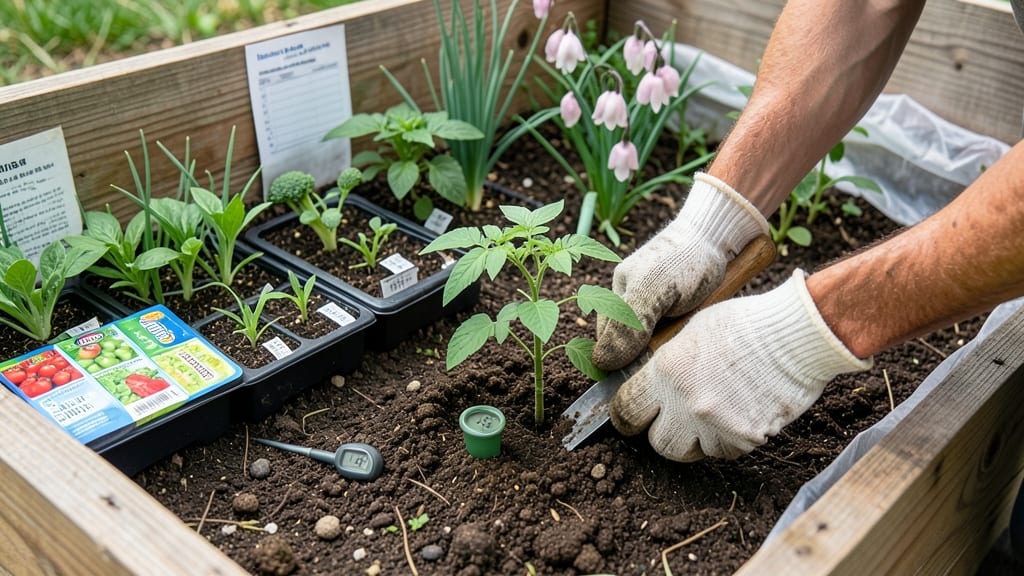
If you're asking "when can I plant my garden in Michigan", the answer isn't as simple as checking a calendar—it's about understanding your local microclimate and frost patterns.
Michigan's diverse regions mean what works in Detroit might fail in Traverse City, and those 10-day differences can make or break your harvest.
I've spent years tracking Michigan's planting windows, and the key is knowing your last frost date—whether you're in the Upper Peninsula's Zone 4 or Southern Michigan's Zone 6. Plant cool-season crops like spinach too early, and frost will turn your hard work to mush.
Wait too long with tomatoes, and you'll miss the sweet spot for summer heat.
What you'll discover here are the exact county-specific dates that separate success from disappointment. We'll cover everything from soil temperature tests to adjusting for Michigan's famously unpredictable weather swings. No more guessing—just data-driven planting windows that match your location.
Ready to transform your garden from "maybe next year" to "already thriving"? Let's dive into the region-by-region planting schedule that puts Michigan gardeners ahead of the frost—every time.
Michigan’s last frost dates by region: when to plant cool-season vs warm-season crops
Michigan’s last frost dates vary dramatically from the Upper Peninsula to Southern Michigan, making precise timing critical. Northern regions like Marquette often see frost until May 20th, while Detroit gardeners can plant warm-season crops by April 25th.
These differences mean your tomato plants might thrive in one county but fail in another.
Cool-season crops like lettuce and peas can handle light frosts and should go in as early as March 15th in Southern Michigan or April 10th in the UP.
Warm-season favorites like tomatoes and peppers need to wait until after the last frost, typically May 10th–June 1st depending on your location.
Here’s a quick reference for Michigan’s three main regions:
| Region | Last Frost Date | Cool-Season Start | Warm-Season Start |
|---|---|---|---|
| Upper Peninsula (Marquette, Houghton) | May 20–June 5 | April 10–May 1 | June 1–June 15 |
| Northern Lower Peninsula (Traverse City, Grand Rapids) | May 5–May 15 | March 25–April 10 | May 10–May 25 |
| Southern Lower Peninsula (Detroit, Ann Arbor) | April 25–May 5 | March 15–March 30 | April 25–May 10 |
For county-specific adjustments, check your local USDA Plant Hardiness Zone (Michigan spans Zones 4–6). For example, Wayne County (Detroit) can plant cucumbers by May 1st, while Keweenaw County in the UP waits until June 10th. Always verify with your Michigan State University Extension for updates.
Pro tip: Use row covers to extend your cool-season planting by 2–3 weeks. This lets you grow spinach or kale earlier in Northern Michigan without frost damage. Just remove covers when flowers appear to prevent bolting.
Warm-season crops like tomatoes and squash need soil temperatures above 60°F. Test with a soil thermometer—if it’s cooler, wait. In Southern Michigan, this usually aligns with late April, but the UP may need to delay until early June.
Don’t forget fall planting! Cool-season crops can go in as late as August 15th in Southern Michigan or September 1st in the UP. Broccoli and carrots planted now will thrive with 60+ days of cool weather before the first frost.
Track your local frost dates using Almanac.com or the National Weather Service. In 2023, Northern Michigan saw late frosts into June, so always have a backup plan. Start seeds indoors 6–8 weeks before your last frost date to ensure healthy transplants.
For container gardening, warm-season plants can be moved outside 2 weeks earlier than in-ground planting, as pots warm up faster. Just ensure they’re in a south-facing spot with 6+ hours of sun.
Finally, microclimates matter! A sunny slope warms up faster than a shady valley. Use these local variations to your advantage—plant heat-loving crops on south-facing hillsides first.
How to adjust planting dates for Michigan’s unpredictable weather patterns
Michigan’s climate throws curveballs—one year you’re planting peas in early April, and the next, a late frost hits in May. Flexibility is key to beating Mother Nature’s unpredictability. Start by tracking your local microclimate, which can vary even between neighboring yards.
South-facing slopes warm up faster, while low-lying areas hold frost longer. Use these tricks to extend your growing season safely.
First, check the National Weather Service or your county’s Michigan State University Extension for 10-year frost averages. Then add a 2-week buffer to those dates—this accounts for those infamous late-spring freezes.
For example, if your last frost is May 15, wait until June 1 to plant tomatoes in Northern Michigan. Pro tip: Use a soil thermometer—most warm-season crops need soil temps of 60°F+.
3 Pro Tips for Adjusting Planting Dates
- Use row covers to plant 2-3 weeks earlier for cool crops like lettuce or spinach.
- For warm-season plants, start seeds indoors 6-8 weeks before your last frost date.
- Monitor almanac frost predictions—they’re often more accurate than calendar dates.
Don’t forget about fall planting! Many gardeners overlook this, but kale, radishes, and carrots thrive when sown in late summer. Aim for seeds in the ground 60-90 days before your first frost.
In Southern Michigan (Zone 6), that’s late July; in the UP (Zone 4), try mid-August. Use black plastic mulch to warm soil for early spring starts or straw mulch to insulate fall crops.
For heat-sensitive plants like basil or cucumbers, time planting with humidity trends. Michigan’s summer humidity spikes in July—plant these in early June to avoid fungal diseases. If your area had a cool June (like 2023’s UP), delay until late June.
Always pair planting dates with moisture levels: dry springs mean deeper watering for young seedlings.
When in doubt, plant in stages. Sow half your bean or pepper seeds at the recommended date, then repeat in 2 weeks. This spreads risk if early plants fail. For perennials like asparagus, plant crowns in early spring (March-April) when soil is workable but not soggy.
And remember: No rule is set in stone—your garden’s success depends on adaptation, not rigid calendars.
Track your own data! Jot down planting dates, weather notes, and harvest results in a garden journal. Over 3 years, you’ll spot patterns—like that cherry trees bloom 2 weeks earlier than the almanac predicts in your yard.
Share insights with neighbors; Michigan’s community gardens thrive on this kind of local wisdom. 🌱