
Plants
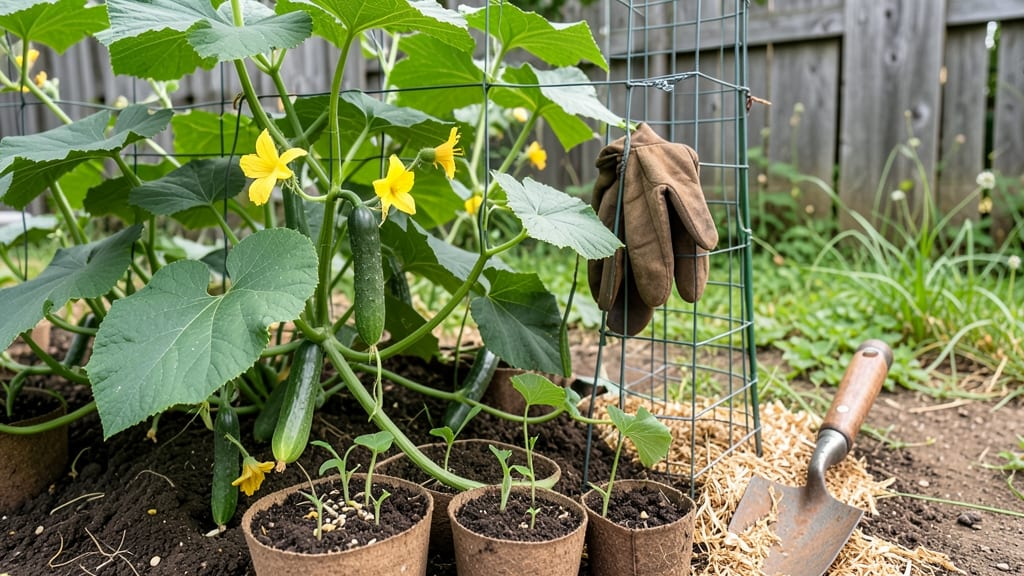
Timing your 🥒 cucumber planting in West Virginia can make or break your harvest—get it wrong, and you might end up with sad, stunted plants instead of crisp, homegrown veggies.
The key lies in understanding your USDA Zone 6a climate, where last frost typically lingers until mid-April but soil needs to warm up to at least 60°F before seeds go in.
If you’ve ever rushed to plant cucumbers only to watch them wilt in unexpected chilly snaps, you know how frustrating it can be. The good news? With the right schedule, you can stretch your growing season from June through September, maximizing your yield.
I’ll walk you through the exact dates and strategies to ensure your 🥒 cucumbers thrive, whether you’re starting indoors or sowing directly into the garden.
West Virginia’s microclimates—especially the differences between mountain regions and valleys—mean planting times can vary by weeks. We’ll cover how to adjust for early vs. late varieties, when to use row covers, and which fast-maturing cucumbers perform best in your short but sweet growing window.
Ready to turn your garden into a cucumber powerhouse? Let’s dive into the planting calendar and tips that’ll have you harvesting like a pro by summer’s end.
Best planting dates for cucumbers in West Virginia’s zone 6B climate
Timing your cucumber planting in West Virginia’s USDA Zone 6B is all about balancing last frost dates with soil warmth. The average last frost date for most of the state falls around April 15, but mountain regions can delay this by 1-2 weeks.
Cucumbers need soil temperatures above 60°F to thrive, which typically happens by late April to early May in valleys and mid-May in higher elevations. Planting too early risks cold soil shock, while waiting too long cuts your harvest window short.
For direct sowing (planting seeds outside), aim for May 1 to May 15 in most areas, with late May for mountain gardens. If you’re starting seeds indoors, begin 4-6 weeks before your last frost—so around March 15 to April 1.
Transplant seedlings outside only after nighttime temperatures stay above 50°F consistently. This usually aligns with mid-May for valleys and early June for higher elevations.
West Virginia’s microclimates create variations worth noting. Valley regions (like Charleston or Huntington) can plant 1-2 weeks earlier than mountain areas (like Beckley or Elkins).
Use a soil thermometer to confirm 60°F+ soil temps before planting—this is your best indicator of readiness. Row covers can extend your planting window by 10-14 days if an unexpected frost threatens.
Here’s a quick reference for West Virginia’s cucumber planting calendar, adjusted for early, mid, and late varieties:
| Stage | Action | Notes |
|---|---|---|
| Indoor Start (Early Varieties) | March 15–April 1 | Use grow lights if natural light is limited |
| Direct Sow (Valleys) | May 1–May 15 | Soil temp must be 60°F+ |
| Direct Sow (Mountains) | May 15–June 1 | Wait for nighttime temps above 50°F |
| Transplant Seedlings | Mid-May (Valleys) / Early June (Mountains) | Hardening off required for 7–10 days |
| Succession Planting | Every 2 weeks until July 1 | Extends harvest through September |
Choose early-maturing varieties (like ‘Early Green Tendril’) if you’re in mountain regions or planting late. These can produce harvest-ready cucumbers in 50-55 days, giving you a better chance to beat West Virginia’s first frost (around October 15).
For valley gardens, you can afford slightly later varieties like ‘Marketmore 76’, which matures in 60-65 days and handles the state’s hot summers well.
Pro tip: If your last frost date slips later than usual (which happens every few years), use black plastic mulch to warm the soil faster. This can shave 7-10 days off your planting timeline.
Just avoid using it if nighttime temps drop below 55°F, as it can trap too much heat and stress young plants.
Always monitor your local WV Extension Service forecasts for frost warnings. In Zone 6B, a single 28°F night can devastate cucumbers, so have row covers or a low tunnel ready. Even if you plant on time, unpredictable spring weather is the biggest challenge—so flexibility is key.
Once your cucumbers are in the ground, focus on consistent moisture and trellising to maximize your harvest. Bush varieties like ‘Bush Champion’ are great for small spaces, while vining types need a 6-foot trellis to save space and improve air circulation.
With the right timing, you’ll enjoy fresh cucumbers from June through September—just in time for summer salads and pickling!
🌱
Best planting dates for cucumbers in West Virginia’s zone 6B climate
West Virginia’s USDA Zone 6B offers a short but productive growing season for cucumbers, but timing is everything. The last average frost date in most of WV falls around April 15, but mountain regions can experience frost 2-3 weeks later.
Cucumbers thrive in warm soil (60°F+) and consistent temperatures above 50°F, making late April to early June your ideal window for direct sowing.
For gardeners eager to extend their harvest, starting seeds indoors 3-4 weeks before transplanting (around mid-March) gives you a head start. Harden off seedlings by early May when nighttime temperatures stabilize above 55°F.
Valley areas like Charleston can plant 1-2 weeks earlier than higher elevations in the Allegheny Mountains, where cooler microclimates delay planting by 10-14 days.
📅 Key planting milestones for WV:
- Indoor starts: March 15–April 1
- Transplant outdoors: May 1–May 15
- Direct sow: May 15–June 1
- Succession plant: June 15–July 1 (for fall harvests)
| Stage | Action | Notes for WV |
|---|---|---|
| Soil Prep | Test pH (6.0–6.8), amend with compost | Mountain soils may need extra organic matter |
| Indoor Start | Sow seeds 3–4 weeks before last frost | Use grow lights if natural light is limited |
| Transplant | After soil reaches 60°F and night temps stay above 55°F | Valleys: May 1; Mountains: May 15 |
| Direct Sow | After May 15, when soil is warm | Use row covers for early sowings |
| Succession Plant | Every 2 weeks until July 1 | Extends harvest into early fall |
If you’re in a microclimate with late frosts (common in the Monongahela National Forest area), opt for cold-tolerant varieties like ‘Northern Pickling’ or use black plastic mulch to warm soil faster. For valley gardens, prioritize early-maturing varieties (50–55 days) to capitalize on WV’s 165-day frost-free window.
Planting too early risks cold soil stunting, while late plantings may not yield before the first frost in mid-October.
Pro tip: Check the WV State Climate Office for your specific county’s frost data—some areas like Beckley can be 10°F warmer than Elkins at the same elevation. Adjust your planting dates accordingly to avoid common pitfalls like blossom-end rot from temperature swings.
Once planted, cucumbers need consistent moisture and 6–8 hours of sun daily. In WV’s humid summers, mulch heavily to retain soil moisture and prevent fungal diseases like powdery mildew, which thrives in the state’s 70%+ humidity during peak growing months. 🌱