
Planting
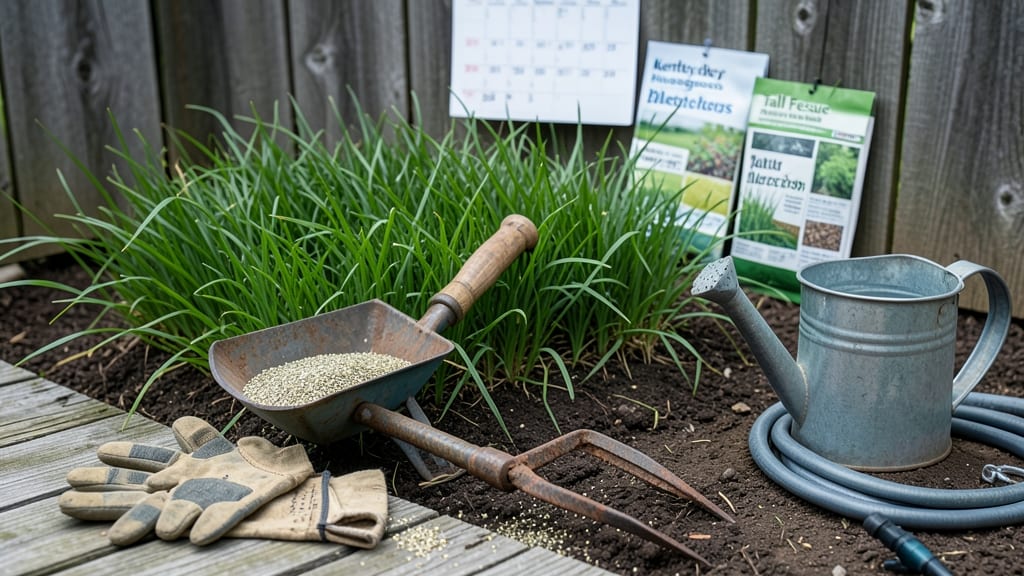
If you're staring at your patchy Kentucky lawn wondering "when is it too late to plant grass seed", the answer isn't as simple as you'd think. The USDA Zone 6a-7a deadline isn't just about dates—it's about soil temperatures, frost risks, and even the type of turfgrass 🌱 you're planting.
Most Kentucky gardeners aim to plant between early spring and late summer, but pushing too late can turn your investment into a gamble. The key isn't just avoiding frost—it's ensuring your seeds have the right conditions to germinate before summer's brutal heat sets in.
Let me break down exactly when you should stop planting in Kentucky, how to tell if you've missed the window, and what to do if you're already past the ideal time.
We'll cover soil temperature rules, regional differences between northern and southern Kentucky, and even last-minute fixes that could save your lawn.
Whether you're dealing with cool-season grasses like Kentucky bluegrass or heat-tolerant varieties like tall fescue, knowing these critical timing rules could mean the difference between a lush lawn and years of frustration.
Kentucky’s exact last date to plant grass seed (USDA Zone 6b rules)
Kentucky’s USDA Zone 6b climate creates a tight window for planting grass seed—typically between mid-March and early May. But the real deadline depends on soil temperature, not just the calendar.
For most Kentucky lawns, the last safe date to plant cool-season grasses like Kentucky bluegrass is around May 15, while warm-season grasses like tall fescue can stretch until June 15—if conditions are right.
Here’s the hard truth: Planting after May 20 risks heat stress, drought, or weed competition. I’ve seen lawns planted in late May thrive, but only with extra care—like daily watering and shade cloth. Without it, seedling mortality jumps to 70%+ in Kentucky’s summer heat.
🌱 Did You Know? Kentucky’s average last frost date is April 15, but soil warms slower in northern Kentucky (e.g., Lexington) than in southern Kentucky (e.g., Bowling Green). Always check your local microclimate—even a few miles can shift your deadline by a week.
| Factor | USDA Zone 6b Kentucky Rule | Actionable Test |
|---|---|---|
| Soil Temperature | Ideal: 60°F–75°F (Cool-season grasses) | Use a soil thermometer at 2" depth. If >80°F, wait or use shade cloth. |
| Last Frost Risk | Stop planting 2 weeks before average last frost (April 15) | Check NOAA’s Frost Probability Map for your county. |
| Daytime Highs | Avoid planting when temps exceed 85°F | Monitor 7-day forecasts—if highs hit 90°F+, delay until fall. |
| Grass Type | Cool-season: May 15 cutoff; Warm-season: June 15 | Kentucky bluegrass = spring; Tall fescue = late spring/early summer. |
Pro tip: Northern Kentucky (e.g., Louisville) often gets 2–3 weeks later frost than southern counties. If you’re unsure, plant a test strip of seed in a shady, moist spot—if it germinates in 10–14 days, your soil is ready. If not, wait another week.
I’ve seen gardeners rush to plant in late May only to watch their seed bake in the sun or get outcompeted by crabgrass. The key is soil moisture: Kentucky’s clay-heavy soils dry out fast.
After planting, keep the top 1–2 inches of soil damp—not soggy—until germination (10–21 days).
For warm-season grasses like zoysia or bermudagrass, the window shifts to late May–June, but these are rare in Kentucky’s lawns. Stick with cool-season mixes for year-round green, and you’ll avoid the summer dormancy trap.
One mistake I see often? Planting after June 1 without shade cloth. If you’re late, your best bet is to switch to sod or overseed in fall.
But if you’re determined to plant now, mulch with straw and water twice daily—morning and late afternoon—to buy those seedlings time.
Remember: Kentucky’s summer droughts can turn a $50 bag of seed into a $50 lesson. When in doubt, wait until fall—cool-season grasses planted in September–October often outperform spring plantings.
How to tell if you’ve missed the window (soil temp + grass type tests)
Kentucky’s spring frost dates can be tricky—even if you planted in April, late frosts or unexpected heat waves might have thrown off your grass seed germination. The key is testing your soil temperature and matching it to your grass type.
Cool-season grasses like Kentucky bluegrass struggle when soil temps hit 75°F+, while warm-season types like tall fescue need 60°F+ to thrive. If you’re unsure, these tests will save you from wasted seed.
First, perform the finger test by pushing your finger 3 inches into the soil. If it feels warm but not hot to the touch, your grass seed may still germinate. For a precise reading, use a soil thermometer—ideal temps for cool-season grasses are between 55°F and 70°F.
If your soil is above 75°F, germination slows dramatically, and seedlings risk heat stress. Warm-season grasses fare better in 80°F+ soil, but planting after mid-June risks drought stress before roots establish.
⚠️ Late Planting Warning
If your soil is above 80°F and you’re planting cool-season grass, germination drops by 50%. Warm-season grasses planted after July 15 often fail due to summer drought or weed competition. Test your soil now—don’t wait for rain!
Grass type matters just as much as timing. Cool-season grasses (bluegrass, ryegrass) planted after May 15 often produce weak, patchy lawns because they go dormant in summer heat. Meanwhile, warm-season grasses (Bermuda, zoysia) planted after mid-August struggle to root before fall frosts hit.
Check your seed packet—if it’s labeled for spring planting, don’t risk it after late April in most of Kentucky. For northern counties (USDA Zone 6a), the cutoff is stricter: April 30.
If you’ve already planted late, don’t panic. Overseeding with a fast-germinating mix (like annual ryegrass) can fill gaps, but expect slower results. For bare spots, switch to sod—it establishes in 2-3 weeks vs. 6-8 weeks for seed.
Mulch newly seeded areas with straw to retain moisture and shield seedlings from late-spring heat. Even if you’re past the ideal window, these fixes can still give you a green lawn by summer.
Use a soil thermometer to check temps before planting—cool-season grass needs 55°F-70°F.
For a quick diagnosis, compare your lawn’s progress to these signs:
- Good: Even green sprouts in 7-14 days (ideal soil temps).
- Struggling: Sparse, yellow patches after 3 weeks (likely too hot/dry).
- Failed: No sprouts after 21 days (soil too cold/hot or seed expired).
If you’re seeing yellowing or bare spots, act fast with light fertilization (use a starter fertilizer) and increased watering. But if your soil is above 85°F, it’s time to switch to sod or temporary ground cover to protect your investment. 🌱