
Plants
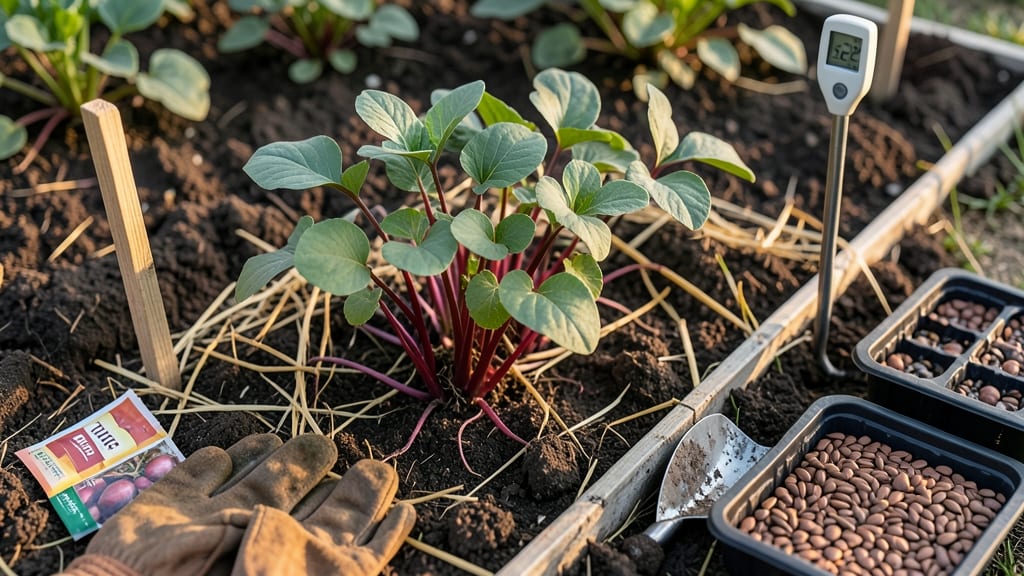
Timing your beet planting in Nebraska can mean the difference between a bumper crop of sweet, tender roots and a sad, bolted mess. With USDA Zone 5b weather that swings between icy springs and early frosts, knowing exactly when to plant 🍠 is the key to success.
Most gardeners in Nebraska plant beets twice a year—once in early spring and again in fall—but getting the dates wrong can leave you scrambling.
The ideal window starts March 15 and runs through April 30 for spring plantings, with a second chance from September 1 to October 15 for a fall harvest.
Why does this matter? Because beets are sensitive to temperature extremes. Plant too early, and frost will kill your seedlings. Too late, and they’ll bolt before reaching their peak flavor. I’ll show you how to adjust for Nebraska’s unpredictable climate and ensure your beets grow crisp and delicious every time.
Ready to grow beets that actually thrive? Let’s break down the best planting strategies for your Nebraska garden, so you can enjoy fresh harvests from June through November—no guesswork required.
Best planting dates for beets in Nebraska’s Zone 5b climate
Nebraska’s Zone 5b climate means your beet seeds must dance with frost dates—typically April 15 for last frost and October 15 for first frost. Aim for soil temperatures above 40°F to ensure germination, which usually aligns with mid-March to late April for spring plantings.
Fall plantings thrive when days shorten after September 1, giving beets time to mature before winter sets in.
For Omaha and Lincoln, microclimates can shift planting by 1-2 weeks—warmer urban areas may start 2 weeks earlier than rural zones. Always check Nebraska Extension’s frost maps for your exact location, as late frosts in May can still threaten seedlings.
Beets are cool-season crops, so they tolerate light frost but not freezing soil. Start seeds indoors 4-6 weeks before your last frost date if you’re eager for an early harvest. However, direct sowing outdoors after April 15 is safer for most gardeners.
🌱 Nebraska Beet Planting Timeline
| Season | Planting Window | Soil Temp | Harvest Window |
|---|---|---|---|
| Spring | March 15 – April 30 | 40°F+ | June – July |
| Fall | September 1 – October 15 | 50°F+ | October – November |
| Late Spring (Backup) | May 15 – June 1 | 55°F+ | August – September |
⚠️ Note: Late spring plantings risk bolting in Nebraska’s summer heat.
For a continuous harvest, stagger plantings every 2 weeks from March to September. This ensures you’re always pulling fresh beets while older ones mature. In Omaha’s urban heat islands, start fall plantings by August 15 to avoid summer stress.
If you’re new to Nebraska gardening, test your soil temperature with a soil thermometer—beets need consistent warmth to germinate. Cold, wet springs (like 2022’s) can delay planting until late April, but don’t wait past May 15 or risk poor yields.
Pro tip: Use black plastic mulch in early spring to warm soil faster and extend your planting window by 1-2 weeks. This is especially useful in rural Nebraska, where soil stays cooler longer.
Remember, fall plantings are your secret weapon for crisp winter storage. Sow seeds by September 1 for harvests through November, then store beets in 50°F cellars for months of fresh produce.
For container gardening, start seeds indoors by March 1 and transplant after last frost. Containers dry out faster, so water daily until established.
Always keep an eye on Nebraska’s 10-day forecast—a sudden cold snap can turn your garden into an icy wasteland. When in doubt, cover seedlings with row fabric until temperatures stabilize.
Best planting dates for beets in Nebraska’s Zone 5b climate
Nebraska’s Zone 5b climate demands precision when planting beets, as late frosts can linger until mid-April and early heat arrives by June. The ideal window spans from mid-March to late April for spring plantings and early September to mid-October for fall harvests.
These dates align with Nebraska Extension’s frost-free guidelines, ensuring seedlings survive while avoiding bolting from summer’s intensity.
For Omaha and Lincoln, aim to plant beets 2-3 weeks after your last frost date, typically around April 15. Rural areas may experience frost slightly later, so adjust by 1-2 weeks if your region’s average last frost is closer to May 1.
Always check your local USDA frost calculator for precise timing.
Soil temperature is another critical factor—beets germinate best in soil at 45°F or warmer. In Nebraska, this usually occurs by mid-April, but cooler springs may delay germination until late April. Use a soil thermometer to confirm readiness before sowing.
| Planting Window | Key Considerations | Ideal Soil Temp | Harvest Months |
|---|---|---|---|
| Spring: March 15 - April 30 | Avoid frost; use row covers if late frost risk | 45°F+ | June - July |
| Fall: September 1 - October 15 | Plant 8-10 weeks before first frost; protect from early cold snaps | 50°F+ | October - November |
| Backup Window: May 1 - June 15 | High heat risk; choose heat-tolerant varieties like 'Detroit Dark Red' | 55°F+ | August - September |
For a continuous harvest, stagger plantings every 2 weeks in spring and every 3 weeks in fall. This ensures you’ll have beets ready to pull from June through November, avoiding the rush of a single massive harvest.
In Nebraska’s climate, this strategy also mitigates risks from drought or sudden heatwaves that can stress plants.
If you’re new to growing beets in Nebraska, start with small batches to test your local microclimate. Urban areas like Omaha may have warmer microclimates than rural zones, so observe how your plants respond. Keep a gardening journal to track planting dates, soil conditions, and harvest success for future reference.
Remember, Nebraska’s 165 frost-free days are your guide—plan accordingly to maximize your beet harvest without risking bolting or frost damage. With the right timing, you’ll enjoy homegrown beets from late spring through fall! 🍠