
How To
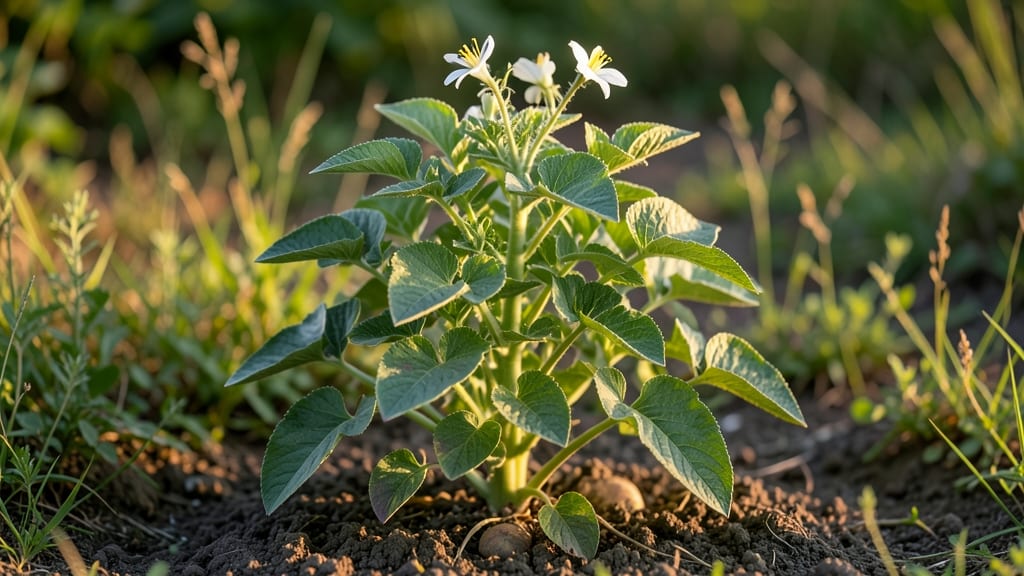
If you’ve ever wondered how tall a potato plant grows before it starts producing those coveted tubers, you’re not alone. The answer isn’t as simple as you’d think—potato plant height varies dramatically depending on the variety, growing conditions, and even your planting method.
Most gardeners expect their potato plants to stay compact, but some varieties can stretch taller than 3 feet, while others remain neatly under 12 inches. Understanding these differences is the key to planning your garden layout and maximizing your harvest without overcrowding or wasted space.
In this guide, I’ll break down the exact height ranges for common potato varieties, explain how growth stages affect plant size, and share practical tips to manage height—whether you’re working with bushy fingerlings or sprawling russets. Let’s get your potato patch growing the right way.
From dwarf varieties perfect for containers to towering types that need staking, knowing what to expect will help you avoid common mistakes and grow potatoes that thrive in your space. Ready to dig into the details?

Potato plant height by variety: from dwarf to towering giants
Understanding how tall your potato plants will grow is the first step in planning your garden layout. Most potato varieties fall between 12 to 36 inches at maturity, but some dwarf varieties stay as short as 8 inches, while sprawling types can reach 4 feet or more.
The key difference lies in their growth habits: bush varieties stay compact, while vine types send out long, sprawling stems.
For example, Yukon Gold potatoes typically grow 18 to 24 inches tall, making them ideal for small gardens or containers. Meanwhile, Russet potatoes can stretch up to 36 inches, requiring more space or staking.
Fingerling varieties often stay between 12 to 24 inches, but some heirloom types like Purple Peruvian can exceed 3 feet in height.
If you're growing potatoes in containers or raised beds, choose dwarf or semi-dwarf varieties like Red Norland (12–18 inches) or Kennebec (18–24 inches). These stay manageable while still producing a bountiful harvest. For in-ground planting, taller varieties like Katahdin (24–36 inches) thrive with proper spacing and support.
🌱 Potato Variety Height Comparison
| Variety | Height Range | Growth Habit | Best For |
|---|---|---|---|
| Yukon Gold | 18–24 inches | Bush | Containers, small gardens |
| Russet | 24–36 inches | Vine | In-ground, staked beds |
| Purple Peruvian | 30–48 inches | Sprawling | Large gardens, trellises |
| Red Norland | 12–18 inches | Bush | Containers, early harvest |
| Kennebec | 18–24 inches | Semi-dwarf | General gardening |
💡 Pro Tip: Always check seed packets for exact height ranges—some heirloom varieties can surprise you!
Early-season varieties like Early Girl (12–18 inches) grow quickly but stay compact, while late-season types like German Butterball (24–30 inches) take longer to reach full height. If you're short on space, prioritize determinate varieties (bush types) that stop growing once they flower, unlike indeterminate varieties (vine types) that keep stretching.
For container gardening, stick to 5-gallon buckets or deeper pots to accommodate even dwarf varieties. The deeper the container, the more room tubers have to grow without the plant becoming top-heavy.
In-ground, space plants 12 to 18 inches apart for bush types and 24 inches apart for vining varieties to prevent overcrowding and disease.
One common misconception is that taller potato plants always produce larger tubers. In reality, height doesn’t directly correlate with yield—soil depth, sunlight, and watering play bigger roles. Focus on providing 6+ hours of sun and loose, fertile soil to encourage both healthy foliage and robust tuber development.
If you’re growing potatoes near a fence or wall, choose taller varieties like Adirondack Blue (30–40 inches) and let them climb naturally. Just be prepared to prune aggressively to keep them from shading out nearby plants.
For small spaces, Red LaSoda (12–18 inches) is a great choice—it’s prolific and stays tidy.
Remember, potato plant height can vary by 10–20% depending on growing conditions. A Yukon Gold in full sun might reach 24 inches, while the same variety in partial shade could max out at 18 inches. Adjust your expectations—and your garden plan—based on your local climate and microclimate.
How potato plant height changes through growth stages
Understanding how your potato plants grow taller isn't just about variety—it's also about watching them progress through their four key growth stages. Each phase brings different height expectations and care needs, so knowing what to expect helps you plan space and manage growth effectively.
First, during the sprouting stage (weeks 1-3), your plants will stay compact—typically between 2-6 inches tall. This is when those first delicate green shoots emerge from the soil, and rapid vertical growth hasn't begun yet. Think of this as the "baby" phase of potato growth.
Next comes the tuber formation stage (weeks 4-6), where things get interesting. Your plants will start stretching faster, reaching heights of 8-12 inches for most varieties. This is when those underground tubers begin forming, while above ground, the stems thicken and leaves expand.
This is also when you'll notice the first signs of vine-like growth in sprawling varieties.
Key Takeaway: Height Growth Timeline
During the flowering stage (weeks 7-9), your potato plants really start showing their true height potential. This is when you'll see those classic purple or white potato flowers bloom, and the plants can shoot up to 12-24 inches tall.
This is also when vine varieties begin their most rapid vertical growth, while bush varieties stay more compact. If you're growing in containers, this is the stage where you might need to prune or stake your plants to control their spread.
The final stage, senescence (weeks 10-12), is when your potato plants reach their maximum height—typically between 24-36 inches for most varieties. This is also when the foliage begins to yellow and die back, signaling that it's time to harvest.
Interestingly, the height of your potato plants at this stage doesn't always correlate with tuber size—some of the tallest plants produce the smallest potatoes, and vice versa!
Knowing these growth stages helps you time your harvesting and soil hilling perfectly. For example, if you're growing in a small space, you might want to harvest earlier during the flowering stage when plants are still manageable.
Conversely, if you're after maximum tuber size, you might let them grow taller into the senescence stage—but be prepared for larger plants that may need more space.