
Plants
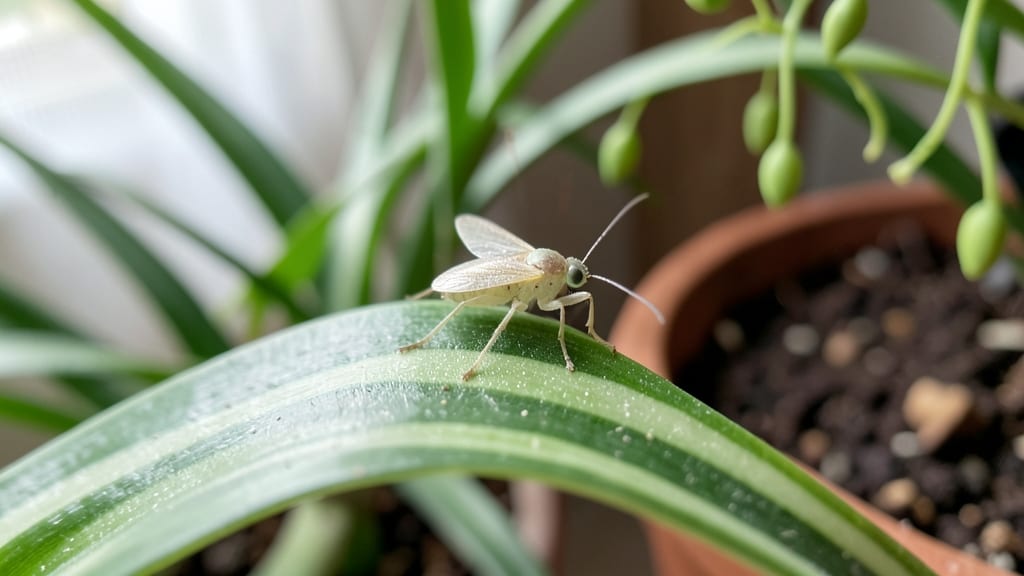
If your 🌿 spider plant looks sad—yellow leaves, stretched stems, or brown tips—chances are it’s not getting the right amount of light. This resilient plant thrives in bright indirect light, but too much or too little can send it into a downward spiral.
The good news? With a few simple adjustments, you can bring it back to life and keep it lush year-round.
Most people assume spider plants need lots of sunlight, but direct rays actually scorch their leaves. Instead, think of them as the goldilocks of houseplants—neither too dim nor too harsh.
I’ll show you exactly how many hours of light your spider plant needs, plus how to spot when it’s begging for more (or less) brightness. Trust me, once you master this, your plant will reward you with those iconic striped leaves and happy growth.
Let’s start with the basics: the ideal light conditions for your spider plant’s growth stage. Whether you’re dealing with leggy stems or crispy edges, understanding these signals is the first step to creating the perfect environment.
You’ll learn how to adapt care routines for seasonal changes, from winter’s shorter days to summer’s intense rays—without guessing.
By the end, you’ll know exactly how to position your plant for healthy growth, whether you’re working with a north-facing window or artificial grow lights. No more trial and error—just a clear, science-backed plan to keep your spider plant thriving for years to come.

Spider plant light requirements: ideal hours and intensity for optimal growth
Spider plants (Chlorophytum comosum) thrive in bright indirect light, but they’re famously adaptable—even surviving in low-light offices. The key is understanding their light tolerance range and how it affects growth patterns.
Too little light leads to leggy, sparse foliage, while too much causes brown tips and scorched leaves. Let’s break down the exact light conditions your spider plant needs at every growth stage.
For new leaves, aim for 4-6 hours of bright indirect light daily. This encourages vibrant variegation (those stunning white stripes!) and compact growth. Mature plants can handle up to 8 hours if the light is diffused—think east-facing windows or sheer curtains filtering sunlight.
Avoid south- or west-facing windows, where harsh afternoon rays can burn delicate foliage within hours.
If you’re using artificial lighting, opt for full-spectrum LED grow lights placed 12-18 inches above the plant. Run them for 12-14 hours daily to mimic natural daylight cycles.
My spider plant in the bathroom (under a 6500K bulb) produces more spiderettes than my sun-starved kitchen window plant—proof that consistent light trumps intensity!
Pro tip: Rotate your plant weekly by ¼ turn to ensure even light exposure. Uneven growth (like leaning toward a window) happens when one side gets more light. This simple habit keeps your spider plant symmetrical and bushy.
For variegated varieties, like ‘Variegatum’, more light enhances those white stripes, but never let them bake in direct sun.
Outdoor spider plants? They’ll tolerate partial shade (think dappled sunlight under trees), but avoid full sun—especially in hot climates. In USDA Zone 6a, I move mine to a shaded patio in summer and bring it indoors before the first frost.
The transition takes 2 weeks to avoid shock, and I monitor for yellowing leaves as a sign of stress.
Remember: Spider plants are survivors. While they prefer bright indirect light, they’ll endure low-light offices if you adjust care routines. Reduce watering in dimmer spots (soil stays moist longer), and fertilize lightly (every 8-10 weeks) to prevent nutrient burn.
The goal? A happy medium where your plant stays green, lush, and productive—not struggling.
Need a quick fix? Place your spider plant near a north-facing window or under a desk lamp for now. Within 2-3 weeks, you’ll see new growth as it adjusts. Patience and observation are your best tools—watch how your plant reacts to its environment, and adjust accordingly.
Spider plant light requirements: ideal hours and intensity for optimal growth
Spider plants (Chlorophytum comosum) thrive in bright indirect light, but their exact needs depend on your home’s lighting conditions. Too little light causes leggy growth, while too much can scorch their leaves.
The sweet spot is 4-6 hours of filtered sunlight daily, like what you’d find near an east-facing window or under a sheer curtain.
If your spider plant is in a low-light office, it’ll survive but grow slower. For faster, bushier foliage, aim for medium to bright indirect light—think fluorescent bulbs or a north-facing window. Variegated varieties need slightly more light to maintain their striped patterns.
Here’s how to match your space to your spider plant’s needs:
For new leaves to develop properly, rotate your plant quarter-turn weekly so all sides get even light. If you notice brown tips, it’s often a sign of too much direct sun or underwatering—move it away from harsh afternoon rays.
Grow lights work well if natural light is scarce. Use a cool-white LED (5,000-6,500K) for 12-14 hours daily, keeping it 6-12 inches above the plant. This mimics the bright indirect light they’d get outdoors.
Remember: Spider plants are adaptable! If you’re unsure about your space, start with medium light and adjust based on leaf color and growth speed. Over time, you’ll find the perfect balance for your plant’s happiness.