
How To
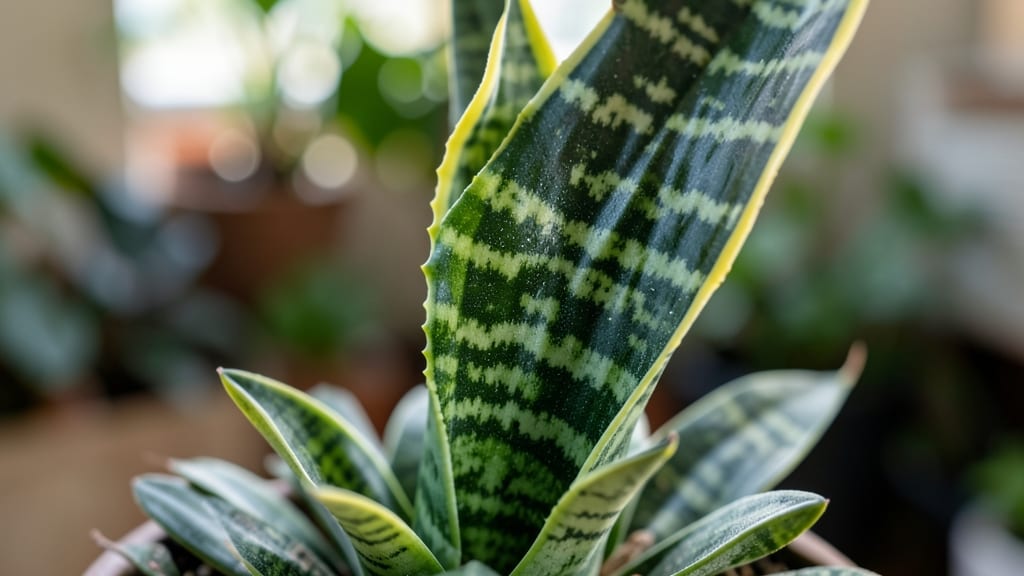
If you’ve ever glanced at your snake plant 🌱 and wondered how tall it can grow in your living room, you’re not alone. This resilient houseplant can grow surprisingly tall—but how much depends on the variety, your care routine, and a little patience.
The truth is, some snake plants stay compact and manageable, while others can stretch toward the ceiling like a vertical jungle gym. Whether you’re working with a dwarf variety or a towering standard type, understanding the growth range helps you plan your space and care strategy.
In this guide, I’ll break down exactly how tall snake plants can grow indoors—from 1-foot dwarfs to 6-foot giants—and what factors influence their height. You’ll also discover simple ways to control growth if you prefer a shorter, bushier look.
Ready to learn how to keep your snake plant at the perfect height for your home? Let’s dive into the details so you can enjoy its beauty without the surprises.

Snake plant height by variety: from compact to towering
Snake plants (Sansevieria trifasciata) are famous for their slow, steady growth, but their mature height can vary dramatically depending on the variety. Some stay compact enough for small apartments, while others can become towering indoor giants.
Understanding these differences helps you choose the perfect plant for your space and care style.
Most snake plants reach their mature height between 1 and 6 feet, but growth rates differ significantly. For example, the 'Hahnii' variety stays under 2 feet tall, while the 'Futura Superba' can stretch to 6 feet or more indoors with ideal conditions.
Let’s break down the most popular varieties and their growth expectations.
| Variety | Mature Height (Indoors) | Growth Rate | Space Needs |
|---|---|---|---|
| 'Hahnii' (Bird’s Nest) | 1–2 ft | Slow | Small pots, shelves |
| 'Black Gold' | 2–3 ft | Moderate | Medium pots, desks |
| 'Futura Superba' | 4–6 ft | Fast | Large pots, floor space |
| 'Laurentii' (Golden Hahnii) | 1.5–2.5 ft | Slow | Small to medium pots |
| 'Moonshine' | 2–3 ft | Moderate | Medium pots, bright corners |
The 'Hahnii' variety is my go-to for small spaces—its rosette shape stays under 2 feet and thrives in tight corners. Meanwhile, the 'Futura Superba' is a statement plant, often reaching 6 feet indoors with proper care. If you love tall, dramatic foliage, this variety will dominate any room.
Growth rates also play a role in height. 'Futura Superba' grows 6–12 inches per year, while 'Hahnii' adds only 2–4 inches annually. Patience is key—most snake plants take 3–5 years to reach their full height potential.
Light exposure accelerates growth in taller varieties. Place your 'Futura Superba' near an east-facing window for balanced growth, while 'Hahnii' can handle lower light without stretching. Overwatering or poor drainage can stunt growth, so always use a pot with drainage holes.
Outdoor snake plants grow taller than indoor ones due to more space and natural light. In USDA Zone 9–11, they can reach 8–10 feet in gardens. But indoors, even the tallest varieties rarely exceed 6 feet unless given exceptional care.
If you’re worried about a snake plant outgrowing its space, don’t panic—pruning is easy! Simply cut the tallest leaves at the base with clean sterilized scissors, and the plant will redirect energy to new growth. This keeps height manageable while maintaining a lush appearance.
For compact growth, choose 'Hahnii' or 'Laurentii'. If you want a bold statement plant, opt for 'Futura Superba' or 'Black Gold'. Each variety offers a unique look, so pick based on your space and style preferences.
🌱
Factors that influence snake plant height growth
Your snake plant’s height potential isn’t set in stone—it’s shaped by a mix of environmental factors and your care habits. While some varieties naturally grow taller, others stay compact.
But even the same plant can stretch or stay stubby depending on its growing conditions. Let’s break down what truly controls how high your snake plant will reach.
First, light exposure plays a starring role. Snake plants crave bright, indirect light to fuel steady growth. Place yours near an east or north-facing window, where it gets 2-4 hours of morning sun.
Too little light? Expect stretched, leggy growth as the plant reaches for sunlight. Too much direct sun, especially in hot climates, can scorch the leaves and stunt height.
Next, pot size matters more than you’d think. A cramped container forces roots to circle tightly, slowing vertical growth. Choose a pot that’s only 1-2 inches wider than the plant’s base to encourage upward growth.
But don’t go overboard—a pot that’s too large holds excess moisture, which can smother root development and keep your plant stunted.
Don’t underestimate the power of temperature and humidity. Snake plants thrive in room temperatures (65-85°F), but they slow growth in cooler conditions. Drafty windows or air conditioning vents can stress the plant, causing it to focus on survival over height.
As for humidity? These plants are drought-tolerant, so average household humidity (30-50%) is ideal. Too much moisture in the air can encourage fungal issues, which weaken the plant.
Finally, fertilizer use can give your snake plant a growth boost—or not. A balanced 10-10-10 fertilizer applied every 4-6 weeks in spring and summer provides nutrients for taller growth.
But skip fertilizing in fall and winter, when the plant enters dormancy. Over-fertilizing can burn roots and actually reduce height by stressing the plant.
By tweaking these factors, you can guide your snake plant’s height—whether you want a floor-filling statement plant or a compact desk companion. The key is consistency: light, water, and space work together to determine just how tall your snake plant will grow. 🌱