
Plants
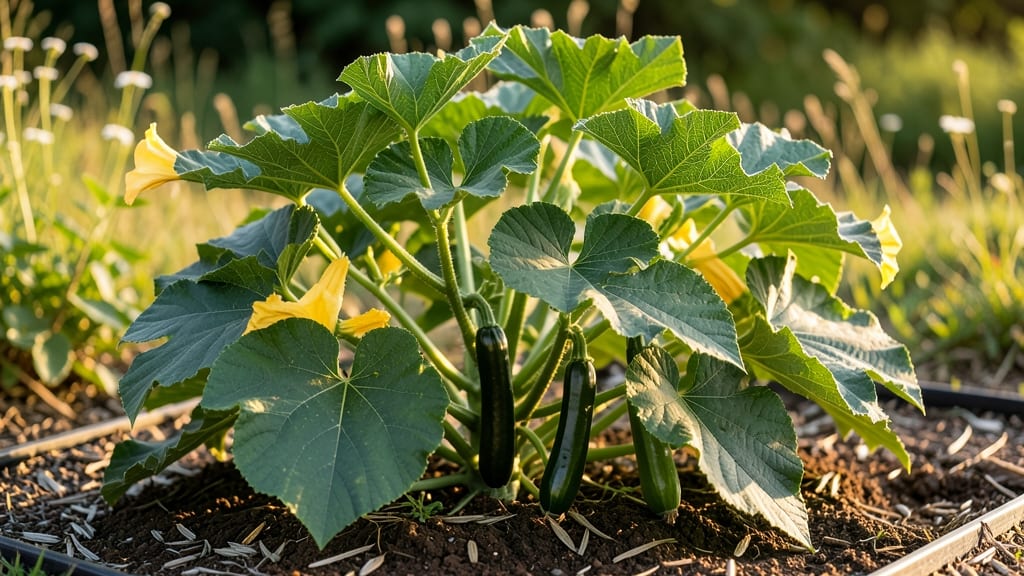
If you’ve ever wondered how tall a zucchini plant grows in your small garden, the good news is that these fast-growing veggies come in all shapes and sizes—including compact varieties perfect for tight spaces.
Whether you’re working with a balcony pot or a cramped backyard plot, choosing the right type can mean the difference between a sprawling jungle and a neat, productive corner of your garden.
Most zucchini varieties reach heights between 4 and 6 feet, but that doesn’t mean you’re stuck with a vine that takes over your yard. Some bush varieties stay under 2 feet, making them ideal for containers or small gardens.
The key is understanding how height impacts your garden layout—whether you’re trellising, spacing plants, or planning companion crops.
For gardeners in USDA Zone 6a, timing is everything. Planting in April or May gives zucchini enough time to mature before the first frost, but the right variety can also save you space.
Compact types like ‘Eight Ball’ or ‘Patio Star’ grow just 1-2 feet tall while still producing abundant harvests, proving that big yields don’t always require big plants.
Ready to maximize your space? I’ll break down the best zucchini types for small gardens, how to support taller varieties without sacrificing yield, and pro tips for keeping your plants happy—no matter how limited your growing area. Let’s get started!

Standard zucchini plant height: how tall they typically grow
If you've ever wondered, "how tall does a zucchini plant grow," the answer depends on the variety, but most standard types reach between 4 to 6 feet tall. These plants aren't just tall—they're also prolific vining plants, spreading 3 to 5 feet wide if left unchecked.
That sprawling habit means they need space unless you plan to train them vertically.
Traditional zucchini varieties like 'Black Beauty' or 'Gold Rush' are classic examples of tall growers. They send out long, sturdy vines that can climb or sprawl, making them perfect for larger gardens but challenging for small spaces.
The height and spread of these plants directly impact how you plan your garden layout.
For gardeners with limited space, understanding this growth habit is key. A 6-foot-tall zucchini plant can easily dominate a small backyard, but with the right techniques—like trellising or choosing compact varieties—you can still grow zucchini successfully in tight areas.
🌱 Zucchini Growth Summary
| Characteristic | Standard Variety | Compact Variety |
|---|---|---|
| Height Range | 4–6 ft | 1–3 ft |
| Spread | 3–5 ft | 1–2 ft |
| Sunlight Needs | Full sun (6+ hrs) | Full sun (6+ hrs) |
| Growth Habit | Vining | Bush |
| Ideal Spacing | 3–4 ft apart | 1–2 ft apart |
*Compact varieties like 'Eight Ball' or 'Patio Star' are ideal for containers or small gardens.
The height of a zucchini plant isn't the only factor to consider—its leaf size and vine density also play a role. Large leaves can create shade, affecting nearby plants, while dense vines may require extra support.
If you're growing zucchini in rows, plan for at least 3 feet between plants to prevent overcrowding and disease.
For gardeners with small spaces, tall zucchini varieties might seem daunting, but don’t worry—there are ways to manage their growth. Using trellises or cages can help direct their energy upward, saving horizontal space. This method also makes harvesting easier and reduces the risk of pests hiding in dense foliage.
Another critical factor is the growth rate of zucchini plants. They can shoot up 1–2 feet per week under ideal conditions, so monitoring their height early on helps you adjust your garden plan.
If you notice vines sprawling too much, pruning can encourage bushier growth and prevent them from taking over.
When planning your garden, think about companion planting too. Tall zucchini can shade shorter plants like lettuce or radishes, so place them near taller crops like corn or sunflowers instead. This way, you maximize vertical space while keeping your garden layout balanced.
If you're growing zucchini in containers, stick to compact varieties or prune aggressively. Even then, expect some height—most container-grown zucchini will still reach 3–4 feet tall unless you’re growing a true dwarf variety.
Always ensure your container has drainage and is at least 12 inches deep to accommodate root growth.
Finally, remember that zucchini plants grow fastest when given plenty of water, nutrients, and sunlight. Neglect these factors, and even compact varieties may stretch taller than expected in search of resources. With the right care, you can enjoy a bountiful harvest without your garden looking like a jungle.
Standard zucchini plant height: how tall they typically grow
If you’ve ever imagined zucchini plants sprawling like vines in a fairy tale, you’re not far off! Standard zucchini varieties—like the classic Black Beauty or Gold Rush—typically reach heights of 4 to 6 feet at maturity.
That’s taller than most gardeners and nearly as tall as a standard kitchen counter! Their height isn’t the only space hog, though. These plants also spread out 3 to 5 feet wide with broad leaves that soak up sunlight like a solar panel.
The vine structure of traditional zucchini plants is what makes them so productive but also space-intensive. Their sprawling habit means they need room to stretch, and without proper spacing, you’ll end up with crowded plants competing for nutrients and sunlight.
This can lead to fewer fruits and more frustration when your garden looks like a jungle instead of a well-organized plot.
Here’s the catch: while their height might seem intimidating, zucchini plants are annuals, meaning they complete their life cycle in one growing season. By late summer or early fall, they’ll naturally decline, giving you space to replant or rotate crops for next year.
Still, planning for their mature size is key to avoiding overcrowding and ensuring healthy growth.
| Attribute | Details |
|---|---|
| Mature Height | 4–6 feet |
| Spread | 3–5 feet wide |
| Growth Habit | Sprawling vines |
| Sunlight Needs | 6+ hours daily |
| Spacing Requirement | 2–3 feet apart |
| Best For | Large gardens or trellised spaces |
When planning your garden layout, think about how these plants will interact with their neighbors. Zucchini plants thrive with companion plants like beans, radishes, or marigolds, which can help deter pests and improve soil health.
However, avoid planting them near potatoes or squash family members (like pumpkins) to prevent disease spread. Their height also means they’ll cast shade, so place taller plants like corn or sunflowers to their north if you’re in the Northern Hemisphere.
If you’re working with limited space, don’t despair! Many bush varieties exist that stay under 3 feet tall while still producing abundant zucchini. These compact options are perfect for containers, small plots, or even balcony gardens.
We’ll dive into those in the next section, so stay tuned for space-saving solutions that won’t sacrifice yield for style.
Remember, the key to managing zucchini height isn’t just about the variety—it’s also about pruning and support. Even standard vining types can be trained to grow vertically with a little effort, freeing up ground space for other crops.
Whether you choose a dwarf variety or a traditional one, understanding their growth habits will help you create a garden that’s both productive and organized.