
Plants
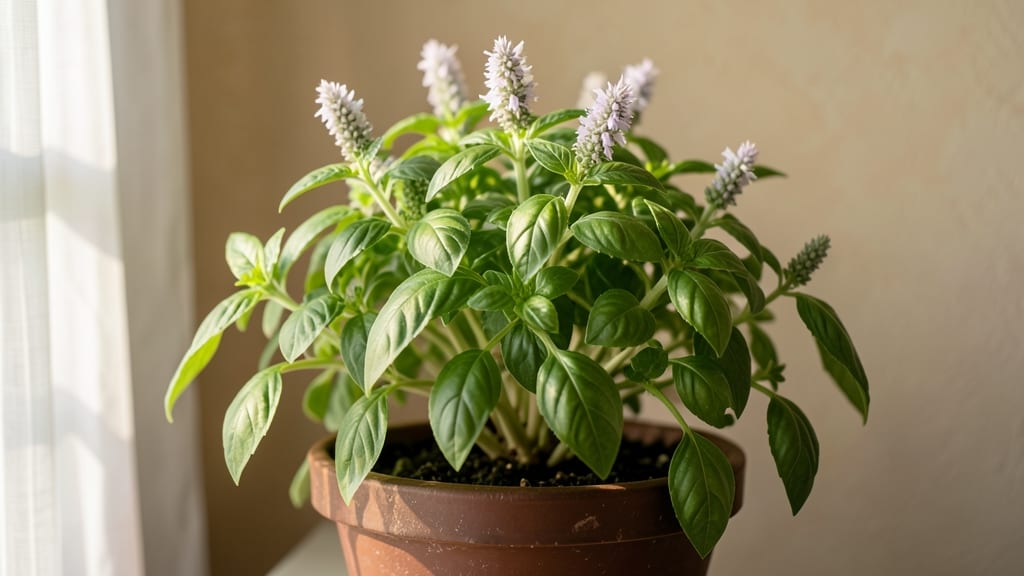
If you’ve ever wondered how tall can a basil plant grow, the answer might surprise you—because it’s not just about genetics.
While most varieties cap out around 18–24 inches, with the right care, you can coax your 🌿 basil into reaching nearly 3 feet or more, especially in ideal conditions.
Basil’s height depends on more than just its variety—think sunlight, pruning habits, and even soil nutrition. Genovese basil, for example, tends to stretch taller than compact types like 'Spicy Globe,' but all basil plants respond dramatically to consistent care. The key? Balancing growth without sacrificing those fragrant leaves you love.
In this guide, I’ll break down the science behind basil’s growth limits and share 5 proven techniques to maximize height naturally—no chemicals required. Whether you’re growing basil for cooking or just love its lush green foliage, these tips will help you turn your herb garden into a thriving vertical display.
Ready to grow basil that’s not just tall but also productive? Let’s dive into the secrets of encouraging that perfect height while keeping your plants healthy and full of flavor.

Natural height limits of basil plants: what determines their growth?
Basil plants typically reach 12 to 24 inches in height under ideal conditions, but their growth potential varies widely based on variety and care.
The Genovese basil, a popular culinary type, often grows 18 to 24 inches tall, while dwarf varieties like 'Spicy Globe' max out at just 6 to 12 inches. Even within the same variety, height can differ by 50% depending on environmental factors.
Genetics set the baseline, but sunlight exposure is the biggest wild card. Basil thrives with 6+ hours of direct sun daily, which fuels vertical growth. Without enough light, plants stay stunted and leggy, rarely exceeding 12 inches.
Temperature also plays a role—ideal growth occurs between 70°F and 80°F, while cooler weather slows development.
Pruning dramatically impacts height. Regularly pinching back flower buds and top leaves encourages bushier growth, but over-pruning can stunt height entirely. Conversely, leaving basil unpruned lets it grow taller but woody, with stems reaching 3 feet or more in some cases.
The key is balancing pruning to maintain leafy, compact growth while allowing vertical expansion.
Humidity levels matter too. Basil prefers 40-60% humidity, and dry air causes plants to grow taller but weaker as they stretch toward moisture. In humid climates, basil stays shorter and stockier, while arid conditions can lead to height spikes of 2+ feet with poor leaf density.
| Variety | Mature Height | Growth Habit | Sunlight Needs |
|---|---|---|---|
| Genovese | 18-24" | Upright, bushy | Full sun (6+ hrs) |
| Spicy Globe | 6-12" | Compact, rounded | Full sun (6+ hrs) |
| Purple Ruffles | 12-18" | Bushy, decorative | Full sun (6+ hrs) |
| Cinnamon | 18-24" | Tall, upright | Full sun (6+ hrs) |
Soil quality directly affects height too. Basil needs well-draining, nutrient-rich soil with a pH of 6.0-7.0. Poor soil leads to stunted growth, while rich, loamy soil can push heights toward the upper limits of a variety’s range.
Adding compost or aged manure at planting time gives basil the nutrients it needs to grow taller and healthier.
Container size also influences height. Basil in 5-gallon pots or larger can grow 20-30% taller than plants in small containers, as roots have more space to establish.
In-ground basil often reaches its maximum potential height because of unobstructed root growth, while container-grown plants may stay 10-15% shorter due to root restriction.
One often-overlooked factor is wind exposure. Strong winds cause basil to grow shorter and wider as it bends toward the ground. In windy areas, basil might only reach 50% of its normal height unless protected by windbreaks or supports.
Sheltered basil, however, can grow up to 3 feet tall with proper care.
For culinary purposes, most gardeners aim for 18-24 inches—tall enough for easy harvesting but not so tall that stems become woody and tough. Ornamental varieties like 'Purple Ruffles' are often pruned to 12-18 inches to maintain their decorative shape.
The right balance of pruning, sunlight, and soil care lets you tailor basil height to your needs.
Remember, basil’s height isn’t fixed—it’s a dynamic process influenced by your gardening choices. With the right approach, you can coax even dwarf varieties to grow taller or keep tall types compact for easier maintenance. The secret lies in understanding how each factor interacts to shape your basil’s growth trajectory. 🌿
Natural height limits of basil plants: what determines their growth?
Basil plants typically reach 18–24 inches at maturity, but their height can vary dramatically based on genetics and growing conditions. Genovese basil, for example, often stretches toward the upper end of this range, while dwarf varieties like 'Spicy Globe' stay compact at just 6–12 inches.
Even within the same variety, factors like sunlight, pruning, and soil quality can push a plant 3 feet tall or keep it stunted.
The genetic potential of your basil is just the starting point. Most standard basil types are bred to stay between 1–2 feet, but with ideal care, they can exceed these limits.
For instance, tall basil varieties like 'Mammoth' or 'Napoli' can reach 3 feet or more when given full sun and proper support. The key is understanding how to unlock that extra growth without sacrificing leaf production.
Sunlight is the #1 factor influencing basil height. Plants need 6+ hours of direct sunlight daily to grow vertically. Without enough light, basil becomes leggy and weak, struggling to reach its full height. Temperature also plays a role—basil thrives in 70–80°F conditions.
Cooler temps slow growth, while heat waves can cause bolting (premature flowering), which stunts height. Humidity matters too; dry air can lead to crispy leaves and stunted stems.
| Factor | Impact on Height | Optimal Range |
|---|---|---|
| Genetics | Determines max potential (1–3 ft) | Dwarf: 6–12 in | Standard: 18–24 in | Tall: 3+ ft |
| Sunlight | Lack of light = leggy, weak stems | 6+ hours direct sun daily |
| Pruning | Over-pruning = stunted; under-pruning = bushy but short | Pinch tops at 6–8 in for balance |
| Soil Nutrition | Poor soil = slow growth; rich soil = taller, stronger stems | Balanced NPK (10-10-10), pH 6.0–7.0 |
| Watering | Over/under-watering = weak stems, poor growth | 1–1.5 inches per week, consistent moisture |
Pruning is another critical lever for controlling height. If you never prune, basil will grow tall but produce fewer leaves. Conversely, over-pruning can stunt growth entirely. The sweet spot? Pinch off the top sets of leaves when the plant reaches 6–8 inches.
This encourages lateral branching, creating a bushier, more compact plant with stronger stems. For taller basil, reduce pruning frequency but always remove flower buds to redirect energy into stem growth.
Soil quality directly impacts how tall your basil grows. Well-draining, nutrient-rich soil with a pH of 6.0–7.0 gives basil the foundation it needs to stretch vertically. Amend heavy clay soil with compost or perlite to improve aeration.
Avoid waterlogged conditions, which cause root rot and stunted growth. A quick soil test can reveal deficiencies—basil loves nitrogen for leafy growth but also needs phosphorus and potassium for strong stems.
Finally, don’t underestimate the power of support structures. Tall basil varieties often need cages, stakes, or trellises to prevent flopping over. Without support, the plant’s energy goes into recovering balance rather than growing upward.
For example, Genovese basil can reach 3 feet when staked but may stay shorter if left unsupported. Pair this with regular harvesting (never taking more than 1/3 of the plant at once) to keep it productive and tall.