
Plants
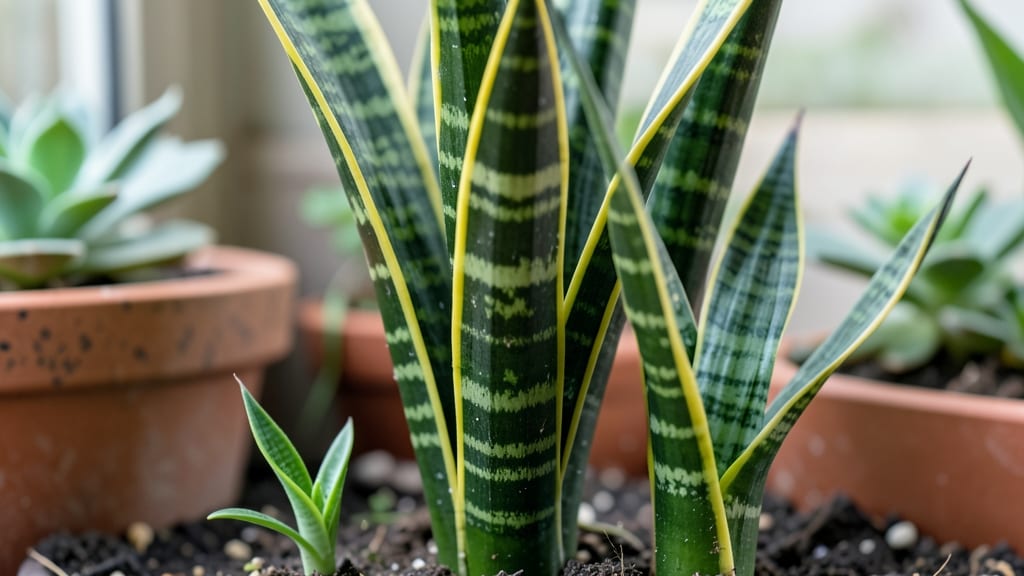
If you’ve ever wondered how tall a snake plant will grow before it stretches toward your ceiling, the answer isn’t as simple as it seems. While some varieties can reach up to 4 feet tall, others stay small and tidy—making them perfect for desks or shelves.
The key lies in understanding your plant’s growth habits and how simple care adjustments can influence its height over time.
Most snake plants grow at a steady but slow pace, adding just a few inches each year. In their first year, you might see them reach 1-2 feet, while mature plants can top out at 3-4 feet—but only if given the right conditions.
Light exposure, pot size, and even the variety you’ve chosen play a huge role in determining whether your snake plant will stay short and bushy or shoot upward like a skyscraper.
Here’s the good news: with a few easy tweaks, you can control your snake plant’s height and keep it at your ideal size. Whether you’re dealing with a towering ‘Laurentii’ or a petite ‘Hahnii,’ I’ll show you how to encourage the growth pattern that works best for your space.
Ready to learn how to keep your plant happy and compact?
Discover the secrets to managing your snake plant’s height—plus, common mistakes that might be making it grow faster than you’d like. Let’s get started!

Snake plant height by variety: how tall each type grows
Snake plants (Sansevieria trifasciata) are known for their striking foliage and resilience, but their mature height can vary dramatically depending on the variety. Some stay compact enough for a desk, while others can reach ceiling height.
Understanding these differences helps you choose the right plant for your space and manage its growth effectively.
The most common varieties—like the ‘Laurentii’ and ‘Futura Superba’—typically grow between 2 to 4 feet tall under ideal conditions. However, the ‘Hahnii’ (Bird’s Nest) variety stays much shorter, rarely exceeding 1 to 2 feet.
Let’s break down the height expectations for each popular type so you can plan accordingly.
📊 Comparison Table: Snake Plant Varieties by Height
| Variety | Mature Height | Growth Rate | Space Needs |
|---|---|---|---|
| ‘Laurentii’ | 3–4 ft | Moderate (1–2 ft/year) | Floor plant or tall shelf |
| ‘Futura Superba’ | 2–3 ft | Slow to moderate | Medium shelf or tabletop |
| ‘Hahnii’ (Bird’s Nest) | 1–2 ft | Slow (6 in/year) | Desk or windowsill |
| ‘Moonshine’ | 2–3 ft | Moderate | Floor or tall shelf |
| ‘Black Gold’ | 2–3 ft | Slow | Medium shelf or table |
The ‘Laurentii’ variety, with its iconic yellow-edged leaves, is one of the fastest growers. In ideal conditions—like bright, indirect light and well-draining soil—it can add 1 to 2 feet in just a year.
This makes it perfect for adding height to a corner or as a statement piece in larger rooms.
On the other hand, the ‘Hahnii’ variety is the ultimate compact choice. Its rosette shape and shorter leaves make it ideal for small spaces like desks or office cubicles. Even after years of growth, it rarely surpasses 2 feet, making it a low-maintenance option for beginners.
Light exposure plays a crucial role in height regulation. Snake plants grown in low-light conditions tend to stretch toward light sources, resulting in leggier, taller growth.
To keep your plant compact and bushy, place it near a north-facing window where it receives 4 to 6 hours of bright indirect light daily.
Another factor influencing height is the pot size. Root-bound plants often grow taller as they compete for nutrients. If you notice your snake plant becoming too tall too quickly, it might be time to repot into a wider container to encourage horizontal growth instead of vertical stretching.
For those who love the look of a taller snake plant but want to control its height, consider pruning techniques. Trimming the top leaves can stimulate new shoots from the base, creating a fuller, bushier plant.
This not only keeps the height in check but also adds visual interest with multiple growth points.
If you’re unsure about your snake plant’s variety, check the leaf shape and color patterns. The ‘Laurentii’ has striking yellow edges, while the ‘Hahnii’ features shorter, curved leaves that resemble a bird’s nest. Knowing your variety helps you set realistic expectations for its mature size and growth habits.
🌱 Whether you’re aiming for a towering statement plant or a petite desk companion, choosing the right variety and providing proper care will ensure your snake plant thrives at the perfect height for your space.
How to keep your snake plant compact: pruning & care tips
If your snake plant is stretching toward the ceiling like a sleepy giraffe, don’t worry—it’s not too late to encourage bushier, more compact growth. With the right pruning techniques and care adjustments, you can keep your plant at a manageable height while still enjoying its striking foliage.
The key lies in understanding how to slow vertical growth while promoting horizontal spread.
First, let’s talk about pruning. Unlike many plants, snake plants don’t need frequent trims, but strategic cuts can redirect energy toward producing more leaves at the base. Start by removing yellow or brown leaves—these sap energy from healthy growth.
Use clean, sharp scissors to cut just above the soil line or where the leaf meets the stem. Avoid tearing the leaves, as this can introduce pests or disease.
Next, focus on repotting. Snake plants often grow taller when they’re root-bound, meaning their roots have outgrown their container. If you notice roots circling the pot’s bottom or growing out of drainage holes, it’s time to upgrade to a slightly larger pot.
Choose one that’s only 1-2 inches wider than the current container—this encourages root expansion rather than rapid vertical growth.
Step-by-Step Guide to Pruning & Care for Compact Growth
- Step 1: Prune Yellow Leaves – Cut off any damaged or discolored leaves at the base to redirect energy to healthy growth. ✂️
- Step 2: Trim Tall Stems – If a stem is too tall, cut it 1-2 inches above the soil line. This encourages new shoots to grow from the base. 🌱
- Step 3: Repot Every 2-3 Years – Use a pot only 1-2 inches wider than the current one to slow vertical growth. 🪴
- Step 4: Adjust Light Exposure – Place your plant in bright, indirect light (like a north-facing window) to prevent leggy growth caused by low light. ☀️
- Step 5: Fertilize Lightly in Spring – Use a balanced fertilizer (10-10-10) every 6-8 weeks during the growing season to support bushier growth. 💧
Light plays a huge role in controlling height. Snake plants grown in low light often stretch toward any available sunlight, leading to long, weak stems. To keep your plant compact, position it near a north-facing window or under grow lights for 4-6 hours of bright indirect light daily.
Avoid harsh direct sunlight, which can scorch the leaves and stress the plant.
Finally, fertilizing habits can make a difference. Over-fertilizing encourages rapid growth, often in the wrong direction. Instead, opt for a light feeding schedule: use a balanced fertilizer (like 10-10-10) once every 6-8 weeks during the spring and early summer growing season.
Skip fertilizing in fall and winter, as the plant enters a dormant phase and doesn’t need extra nutrients to fuel vertical growth.
With these adjustments, your snake plant will stay shorter, fuller, and healthier—perfect for shelves, desks, or even as a statement piece in a cozy corner. The key is patience and consistency; snake plants grow slowly, so you’ll see gradual improvements over time. 🌿