
How To
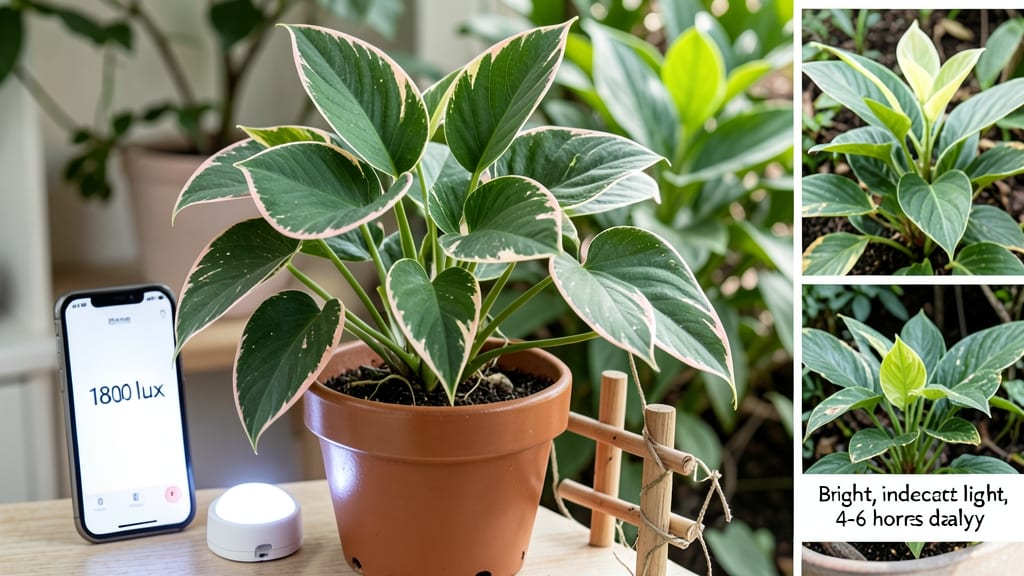
If you're asking "how much light does an Arrowhead Plant 🌿 need", the answer might surprise you—it’s not as simple as "more is better."
These striking houseplants thrive in bright, indirect sunlight, but too much direct light can turn their leaves crispy, while too little leaves them stretching awkwardly toward the nearest window.
I’ve watched my own Arrowhead Plant go from a lush, vibrant beauty to a sad, leggy shadow when I moved it to the wrong spot. The key is finding that sweet spot where your plant gets enough light to grow but isn’t fried by harsh rays.
Whether you’re dealing with a dim corner or a sun-soaked room, I’ll show you exactly how to give your Arrowhead Plant the perfect lighting conditions for thriving foliage.
You’ll learn how to spot the signs of over- or under-lighting, where to place your plant for optimal growth, and even how to supplement natural light if your space falls short. By the end, you’ll have a clear plan to keep your Arrowhead Plant looking its best year-round—no guesswork required.
Let’s dive into the secrets of bright, indirect sunlight and how to create the ideal environment for your plant’s health and happiness. Your Arrowhead Plant’s future starts with understanding its light needs—and trust me, it’s easier than you think!

Optimal light requirements for arrowhead plant growth: bright indirect sunlight explained
The arrowhead plant (Syngonium) thrives in bright indirect sunlight, making it perfect for east or north-facing windows. This tropical beauty mimics its natural understory habitat, where dappled light filters through the canopy. Too little light causes leggy growth, while too much direct sun scorches its delicate leaves.
Ideal light conditions provide 4-6 hours of bright indirect light daily, with morning sun being the gentlest option. South-facing windows can work if your plant sits 5-6 feet away to diffuse harsh rays. West-facing windows are riskier due to intense afternoon heat, which can cause brown leaf tips.
For outdoor growing in USDA Zone 6a, place your arrowhead plant in partial shade during summer months (June-August) when sunlight is strongest. In spring and fall, it can tolerate more direct light as temperatures moderate. Always monitor leaf color—dark green indicates happy growth, while yellowing signals insufficient light.
Here’s how light affects your arrowhead plant’s growth stages: Seedlings need low to medium light (2-4 hours) to prevent burning. Mature plants (1.5-2 ft tall) thrive with bright indirect light for vibrant foliage. Variegated varieties require more light (6+ hours) to maintain their striking patterns.
| Light Requirement | Specification | Ideal Location |
|---|---|---|
| Minimum Light | 2-4 hours indirect light | North-facing window or 6+ ft from west window |
| Optimal Light | 4-6 hours bright indirect | East-facing window or 3-5 ft from north window |
| Maximum Tolerance | 2 hours direct morning sun | South-facing window with sheer curtain |
| Variegated Needs | 6+ hours bright indirect | Grow light supplement or east-facing window |
Seasonal adjustments are key—winter months (December-February) often mean reduced natural light. Rotate your plant quarter-turns weekly to ensure even growth, and supplement with LED grow lights if leaves start stretching toward the window.
Avoid placing plants near cold drafts or heating vents, which stress foliage regardless of light levels.
Pro tip: Use a light meter (or phone app) to measure 1,000-2,000 foot-candles for optimal growth. If your space falls short, reflective surfaces like mirrors or white walls can amplify natural light by up to 30%. This simple trick boosts photosynthesis without extra equipment.
Outdoor gardeners in warmer climates (Zones 9+) can grow arrowhead plants as houseplants during winter and transition them outdoors in spring after last frost (mid-April). Always acclimate gradually—move plants to partial shade outdoors for 1-2 hours daily before full exposure to prevent sunburn.
Remember, arrowhead plants are adaptable but communicate their needs clearly. Dull, pale leaves mean more light, while crispy edges signal too much sun. By mastering these light cues, you’ll keep your plant lush and thriving year-round.
For variegated varieties like 'White Butterfly' or 'Pink Allusion', prioritize east-facing windows or grow lights—these plants need consistent bright light to maintain their striking patterns. Without enough light, variegation fades to solid green, diminishing their visual appeal.
🌿
Optimal light requirements for arrowhead plant growth: bright indirect sunlight explained
The Arrowhead Plant (Syngonium) thrives in bright indirect light, making it perfect for east-facing windows or a few feet back from south-facing ones. This plant naturally grows under the canopy of tropical forests, where dappled sunlight filters through leaves.
Too little light causes leggy growth, while too much direct sun leads to brown leaf tips and crispy edges.
For best results, aim for 4-6 hours of bright indirect light daily. Morning sun is ideal—it’s gentle enough to prevent burning while providing enough energy for photosynthesis. If your home has limited natural light, don’t worry; I’ll show you how to supplement it later in this guide.
Here’s a quick breakdown of what your Arrowhead Plant needs:
| Light Condition | Ideal Hours | Best Window Placement | Signs of Stress |
|---|---|---|---|
| Bright Indirect Light | 4-6 hours | East or north-facing window | Healthy, vibrant leaves |
| Low Light | Less than 2 hours | Far from windows, dim corners | Leggy stems, pale leaves |
| Direct Sunlight | More than 6 hours | South or west-facing window (afternoon) | Brown patches, crispy edges |
Seasonal changes also affect your Arrowhead Plant’s light needs. During winter months, when natural light is weaker, move your plant closer to a window or use a grow light.
In summer, watch for signs of sunburn and adjust by placing a sheer curtain between your plant and the window if needed.
Variegated Arrowhead Plants, with their striking white or pink patterns, need slightly more light than solid-green varieties to maintain their coloration. If you notice the variegation fading, it’s a sign your plant isn’t getting enough bright indirect light.
Pro tip: Rotate your plant every 2-4 weeks to ensure even growth. Arrowhead Plants grow toward the light source, so turning them helps keep their shape balanced and prevents them from becoming lopsided.