
Plants
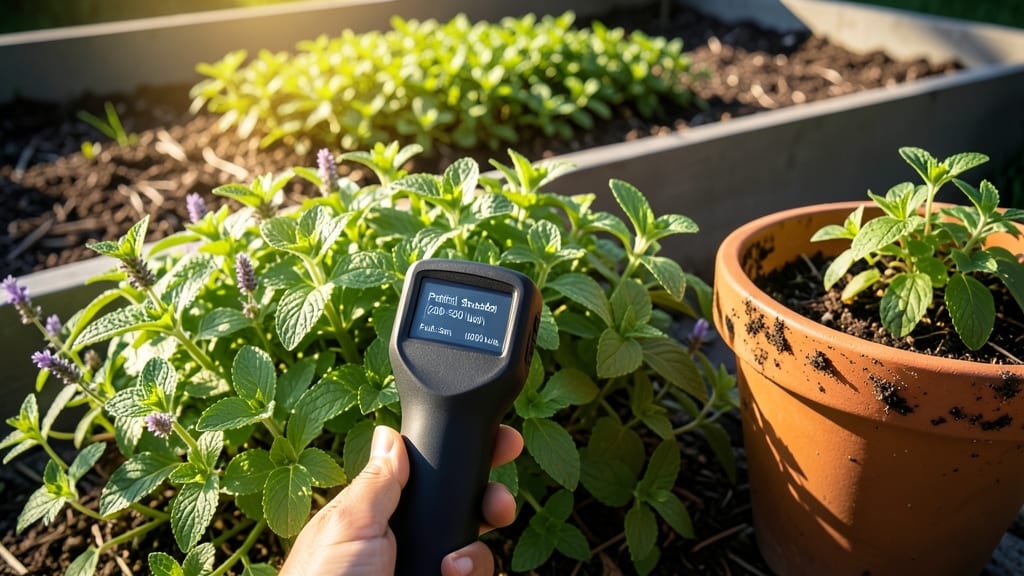
If your mint plant 🌿 is struggling with weak stems or pale leaves, you’re not alone—most gardeners overlook the simple secret to vibrant growth: how much light does a mint plant need? Too little, and your herb becomes leggy; too much, and it burns.
But here’s the good news: mint thrives in conditions most people already have at home.
This hardy herb isn’t picky, but it does best with bright indirect sunlight—think morning sun or dappled shade. Whether you’re growing mint in a sunny kitchen window or a shady garden corner, understanding its light needs is the key to a bountiful harvest.
Let’s break down exactly how to give your mint the perfect balance for lush, flavorful leaves.
You’ll learn how to spot signs of over- or under-exposure, where to place your mint for ideal growth, and even how to adapt if your space only gets limited light. No more guesswork—just easier, faster results for your favorite culinary herb.
From container gardens to sunny windowsills, we’ll cover everything you need to keep your mint thriving year-round. Ready to transform those sad-looking stems into a thriving plant? Let’s get started.

Optimal light requirements for mint plants: bright indirect sun explained
Mint plants thrive in bright indirect sunlight, making them perfect for gardeners with limited direct sun exposure. Unlike sun-hungry herbs like basil or rosemary, mint prefers 4-6 hours of filtered light daily.
This balance prevents sunburned leaves while ensuring robust growth and flavor intensity—critical for teas and cocktails.
Think of mint’s ideal light as morning sun with afternoon shade. A spot near an east-facing window or under a dappled tree canopy mimics this natural pattern.
Too much direct sun, especially in hot afternoons, can scorch delicate mint leaves, while too little light leads to leggy, pale stems.
Here’s the key: mint adapts to low-light conditions but sacrifices growth speed and flavor. In dim corners, your mint may survive but won’t deliver the bold aroma you crave. The trade-off? Slower growth and weaker stems, making harvests less frequent.
Seasonal shifts matter too. During summer’s intense sunlight, mint benefits from afternoon shade (like a sheer curtain or nearby shrubs). In winter’s weaker light, supplement with a grow light 12 inches above for 6 hours daily to maintain vigor.
Outdoor mint in USDA Zone 6a (like much of the Midwest) can handle morning sun in partial shade gardens. But avoid south-facing beds without afternoon relief—the heat stress can turn leaves yellow or crispy.
Indoor growers often struggle with low-light windowsills. A west-facing window offers too much harsh light, while a north-facing one may leave mint stunted and sparse. The sweet spot? An east-facing window or a rotating schedule near a south window (move it back 2 feet by noon).
Watch for these light-related signs:
- Too little light: Long, thin stems with small, pale leaves
- Too much light: Brown leaf edges or white patches (sunburn)
- Perfect light: Dark green, bushy growth with upright stems
Mint’s partial shade tolerance makes it versatile, but don’t confuse it with low-light houseplants. Even in shade, mint needs bright, indirect light—think of it as the goldilocks of herbs: not too hot, not too dim, but just right.
| Light Requirement | Specification | Ideal Scenario |
|---|---|---|
| Daily Sunlight | 4-6 hours | Morning sun + afternoon shade |
| Light Intensity | Bright indirect | East-facing window or dappled shade |
| Low-Light Adaptation | Survives but weakens | Grow light supplement recommended |
| High-Light Risk | Sunburn | Afternoon shade or sheer curtain |
| Indoor Placement | East or south window | Rotate container weekly for even growth |
Pro tip: If your mint starts bolting (sending up flower stalks), it’s often a sign of too much light or stress. Pinch off flowers immediately to redirect energy into leafy growth—your tea blends will thank you!
For container growers, white or light-colored pots reflect excess heat, while black pots absorb it (use these in cooler climates). And remember: mint spreads aggressively—choose a container with drainage and bury a barrier (like landscape fabric) if planting in garden beds.
Balancing mint’s light needs is all about observation and small adjustments. Start with 4-6 hours of bright indirect light, monitor leaf color, and tweak placement as seasons change. With the right light, your mint will reward you with lush, aromatic foliage all season long.
Optimal light requirements for mint plants: bright indirect sun explained
Mint plants thrive in bright indirect sunlight, making them perfect for gardeners with limited direct sun exposure. While they enjoy 4-6 hours of sunlight daily, too much direct sun can scorch their delicate leaves, while too little leads to weak, leggy growth.
The key is finding that sweet spot where your mint gets plenty of light without overheating.
Outdoor mint prefers morning sun with afternoon shade, especially in hot climates. This mimics their natural habitat in damp, shaded woodland areas. If you're growing mint indoors, position it near an east-facing window where it receives gentle morning light without harsh afternoon rays.
Here’s how to identify if your mint is getting the right amount of light:
| Light Condition | Signs of Mint Plant | Action Needed |
|---|---|---|
| Too Little Light | Long, thin stems; sparse, pale leaves | Move to brighter spot or use grow lights |
| Ideal Light | Vibrant green leaves; bushy growth; strong aroma | Maintain current light conditions |
| Too Much Light | Yellow or brown leaf edges; crispy texture; wilting | Provide afternoon shade or filter light |
Seasonal adjustments are crucial, especially for outdoor mint. In summer, provide afternoon shade to prevent sunburn, while in winter, supplement with grow lights if natural light drops below 4 hours daily. This ensures your mint stays lush year-round, whether indoors or out.
For container growers, rotate pots quarter-turns weekly to ensure even light exposure. This prevents one side from becoming leggy while the other stays compact. A simple habit that makes a world of difference in your mint’s growth pattern.
Remember, mint’s flavor intensity is directly tied to light exposure. Plants grown in bright indirect light develop the strongest, most aromatic leaves—perfect for your favorite teas or cocktails. Balancing light just right isn’t just about looks; it’s about unlocking that signature minty punch!
If you’re still unsure about your space, start with 4 hours of morning sun and monitor your plant’s response. Adjust gradually—your mint will thank you with vigorous, fragrant growth that keeps coming back stronger.