
Plants
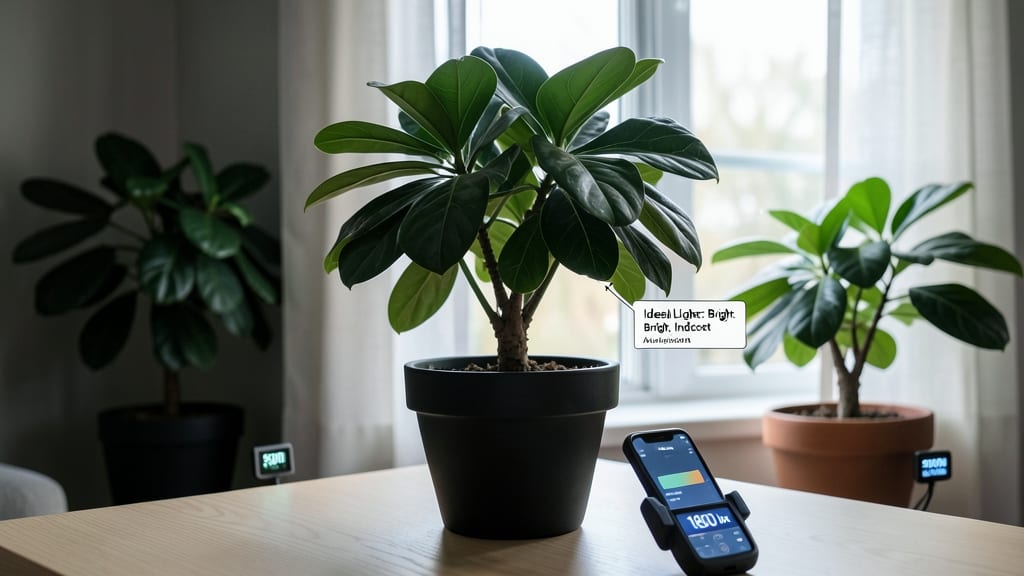
If you're wondering how much light does an umbrella plant need, the answer could be the difference between a thriving tropical beauty and a sad, wilted shadow.
This plant craves bright indirect light—but too much direct sun or dim corners can turn your lush green friend into a crispy mess or a leggy, weak shadow of its former self.
I’ve watched my own Umbrella Plant go from vibrant and full to struggling in just days when I moved it to the wrong spot. The key isn’t just any light—it’s the right balance of brightness and shade.
Whether you’re growing yours indoors near a window or outdoors in your garden, understanding these light needs can mean the difference between a thriving plant and one that’s fighting for survival.
In this guide, I’ll break down exactly how much light your Umbrella Plant needs—from the ideal brightness levels to the signs it’s getting too much or too little. You’ll also discover how to adjust lighting for different seasons and spaces, so you can keep your plant looking its best year-round.
Ready to turn your Umbrella Plant back into the showstopper it’s meant to be? Let’s dive into the secrets of bright, indirect sunlight and how to give your plant the perfect light conditions for lush, healthy growth.

Ideal light requirements for umbrella plant growth (indoor vs outdoor guide)
Your umbrella plant (Schefflera actinophylla) thrives on bright indirect sunlight, but finding the perfect balance is key. Too much direct sun can scorch its delicate leaves, while too little light causes leggy growth and pale foliage.
Understanding the light spectrum and seasonal adjustments will keep your plant lush and vibrant year-round.
Indoors, position your umbrella plant within 3-6 feet of an east-facing window for gentle morning light. West-facing windows work too, but filter the light with a sheer curtain during peak afternoon hours to prevent sunburn damage.
South-facing windows are riskier unless you provide ample shade—even a light-colored curtain can make the difference.
Outdoors, umbrella plants adapt well to partial shade gardens with dappled sunlight. They tolerate 3-6 hours of morning sun followed by afternoon shade, especially in hot climates. In cooler regions, they can handle more direct sunlight, but always monitor for leaf yellowing or crispy edges as warning signs.
Seasonal changes affect light exposure too. In summer months, increase shade protection, while winter light may require supplementing with grow lights if natural light fades below 4 hours daily. The goal is to mimic their native understory habitat where they receive filtered sunlight.
🌿
| Environment | Ideal Light Conditions | Signs of Stress | Solution |
|---|---|---|---|
| Indoors | 4-6 hours bright indirect light | Pale leaves, leggy stems | Rotate plant weekly, use grow lights |
| Outdoors | Morning sun + afternoon shade | Brown leaf tips, crispy edges | Move to partial shade, water consistently |
| Low-Light Spaces | 2-3 hours indirect light + supplemental LED | Slow growth, sparse leaves | Use full-spectrum LED, 12-14 hours/day |
| High-Light Spaces | Filter direct sun with sheer curtains | Yellow leaves, leaf drop | Prune damaged leaves, increase humidity |
For indoor growers, east-facing windows provide the gentlest light without overheating. Place your plant 1-3 feet away to avoid direct rays, especially during summer afternoons when UV intensity peaks.
If your home lacks natural light, a south-facing window with a sheer curtain can work—just ensure the plant never touches the glass.
Outdoor gardeners should prioritize morning sunlight exposure while shielding from hot afternoon rays. Use lattice structures or tall plants to create natural shade, or opt for dappled sunlight spots under trees.
In USDA Zone 6a, umbrella plants can thrive outdoors from late spring to early fall, but bring them indoors before first frost (October 15 in most regions).
Monitor your plant’s growth patterns to fine-tune light exposure. If new leaves appear smaller than mature ones, it’s a sign of insufficient light. Conversely, yellowing or brown patches indicate too much direct sun. Adjust placement gradually—sudden light changes can shock the plant, causing leaf drop.
Pro tip: Rotate your umbrella plant quarter-turns every 2 weeks to ensure even growth. This prevents lopsided development and helps the plant seek optimal light from all angles.
Pair this with regular misting to boost humidity, especially in dry indoor environments where low humidity + high light = crispy leaves.
🪴
Ideal light requirements for umbrella plant growth (indoor vs outdoor guide)
Your Schefflera actinophylla (umbrella plant) thrives on bright indirect light, making it perfect for east or north-facing windows. This tropical beauty tolerates 2-3 hours of morning sun but burns easily in harsh afternoon rays. The key is mimicking its natural understory habitat—dappled sunlight through tree canopies.
Indoors, place your plant 1-3 feet from a window where it gets filtered light. Avoid deep shadows or dim corners, as these lead to leggy growth and pale leaves. For outdoor growing zones 9-11, provide afternoon shade during summer months to prevent leaf scorch.
🌿
| Environment | Light Type | Hours/Day | Best Placement |
|---|---|---|---|
| Indoors | Bright indirect | 4-6 hours | East/north window, 1-3 ft away |
| Outdoors (Zones 9-11) | Partial shade | 3-5 hours direct sun | Morning sun + afternoon shade |
| Low-light homes | Artificial grow light | 12-14 hours | 12-18 inches below light |
In northern hemisphere winters, supplement natural light with a 12-inch grow bulb (6000K) for 6 hours daily. Rotate your plant quarter-turn weekly to prevent uneven growth toward light sources. This ensures all fronds receive equal exposure and maintain their symmetrical shape.
Outdoor gardeners in USDA zones 9-11 can place umbrella plants in partial shade gardens where they get morning sun and afternoon shade. Mulch with 3 inches of organic matter to retain moisture and protect roots from temperature fluctuations.
For urban balconies, use sheer curtains to diffuse harsh midday sun while allowing 4-6 hours of bright indirect light. Regularly wipe leaves with a damp cloth to remove dust, which blocks 10-15% of light absorption over time.
🌱