
Plants
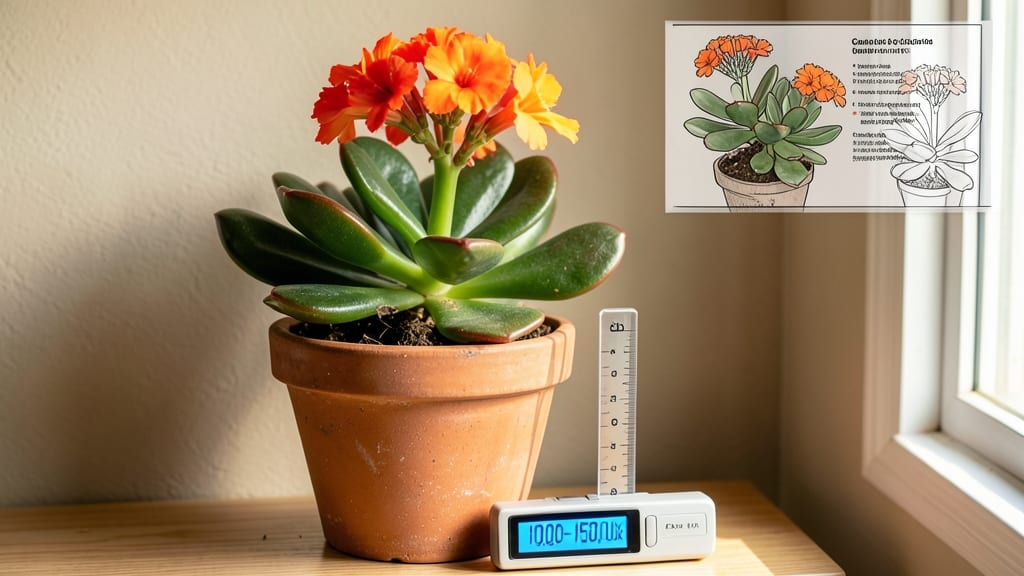
If you’re wondering how much light does a kalanchoe plant need, the answer starts with getting the balance right—this hardy succulent thrives with bright indirect sunlight for 4-6 hours daily, but too much direct sun can scorch its leaves while too little causes leggy, weak growth.
Getting the balance right is easier than you think. I’ll show you how to spot the signs of improper lighting—like purple-tinged leaves or stretched stems—and how to adjust care based on your home’s natural light.
Whether you’re dealing with a sunny south-facing window or dim indoor spaces, these tips will keep your kalanchoe lush and vibrant year-round.
Indoor growers often struggle with inconsistent light, but I’ve got solutions that work. From rotating your plant for even exposure to using simple grow lights, you’ll learn how to mimic its natural habitat without guesswork. Plus, I’ll cover seasonal adjustments so your kalanchoe stays happy through winter’s shorter days.
Don’t let lighting mysteries kill your plant’s potential. By the end of this guide, you’ll confidently diagnose light issues and create the perfect conditions for your kalanchoe to flourish—no green thumb required!

Ideal light requirements for kalanchoe plants: bright indirect sunlight explained
Kalanchoe plants thrive in bright indirect sunlight, making them perfect for sunrooms or east/west-facing windows. These succulents need 4-6 hours of light daily but can handle up to 3 hours of morning direct sun without burning. The key is avoiding harsh afternoon rays, which can scorch delicate leaves.
In nature, kalanchoes grow in rocky, sun-drenched habitats where they receive dappled sunlight. Replicating this environment indoors means positioning your plant near a window but not in the direct path of midday sun. A sheer curtain can diffuse intense rays while still providing ample brightness.
For outdoor cultivation in USDA Zone 6a or warmer, place kalanchoes in partial shade during summer months (June-August) to prevent sunburn. In cooler seasons (spring/fall), they can tolerate more direct exposure. Always monitor leaf color—yellowing or reddening signals light stress.
Here’s how to optimize light exposure based on your setup:
| Condition | Specification | Notes |
|---|---|---|
| Minimum Daily Light | 4-6 hours | Bright indirect light preferred |
| Direct Sun Tolerance | 3 hours (morning only) | Afternoon sun causes leaf burn |
| Best Window Placement | South or east-facing | 2-3 feet from glass for even light |
| Outdoor Summer Light | Partial shade (50% sun) | Prevents heat stress and wilting |
| Low-Light Signs | Leggy growth, pale leaves | Move to brighter spot immediately |
If your home lacks natural light, supplement with a grow light (LED or fluorescent) placed 6-12 inches above the plant for 12-14 hours daily. Kalanchoes are photoperiod-sensitive, meaning they need consistent light cycles to trigger blooming—12+ hours of light can encourage flowering in some varieties like Kalanchoe blossfeldiana.
Rotate your kalanchoe quarterly to ensure even light exposure on all sides. Uneven growth (where one side stretches toward the window) is a common issue when plants aren’t rotated. This simple habit keeps your kalanchoe compact and symmetrical.
In high-humidity climates, kalanchoes may struggle with fungal issues from excess moisture combined with bright light. Ensure your plant has good airflow and avoid placing it near humidifiers or in enclosed glass cases. A small fan on low setting can improve circulation without harming the plant.
For outdoor winter care in cold climates, bring kalanchoes indoors before temperatures drop below 40°F (4°C). These plants are tender perennials and cannot tolerate frost. If you must keep them outside, use a frost cloth or move them to a sheltered porch.
Remember: Observation is key. Adjust light exposure gradually—sudden changes can shock your kalanchoe. Start with small adjustments (e.g., moving the plant closer to the window by a few inches) and monitor for 2-3 weeks before making further changes.
Ideal light requirements for kalanchoe plants: bright indirect sunlight explained
Kalanchoe plants thrive best with bright indirect sunlight for 4-6 hours daily, making them perfect for east or south-facing windows. This succulent can handle some direct sun, but prolonged exposure—especially during peak afternoon hours—can cause leaf scorch or yellowing.
Think of it like wearing sunscreen: too much sun without protection leads to damage.
In their natural habitat, kalanchoes grow under dappled sunlight in arid regions, where they receive filtered light through trees or rocks. Replicating this indoors means positioning your plant 2-3 feet from a window where it gets gentle morning light and softer afternoon rays.
A south-facing window is ideal, but east-facing works too—just avoid deep shadows.
Here’s the key: kalanchoes need consistent light to prevent etiolation (those sad, stretched stems) or sunburn. If your home has low natural light, don’t panic—we’ll cover grow light solutions later. For now, focus on placing your plant where it gets the most even light possible throughout the day.
If you’re unsure whether your kalanchoe is getting enough light, rotate its pot every few weeks. This ensures all sides of the plant receive equal exposure, preventing uneven growth or one-sided stretching. A simple quarter-turn every 2-3 weeks keeps your plant balanced and compact.
Outdoor kalanchoes can handle more direct sunlight during spring and fall, but in summer, afternoon shade is a must. Watch for white or yellow patches on leaves—these are classic signs of sunburn.
If you notice them, move your plant to a shadier spot or provide light shade cloth for protection.
Remember, kalanchoes are succulents, so they store water in their leaves. This means they’re more forgiving than other plants, but light is non-negotiable for their health.
With the right balance, you’ll reward yourself with vibrant blooms and thick, glossy leaves that’ll be the envy of every plant lover in your circle!