
Plants
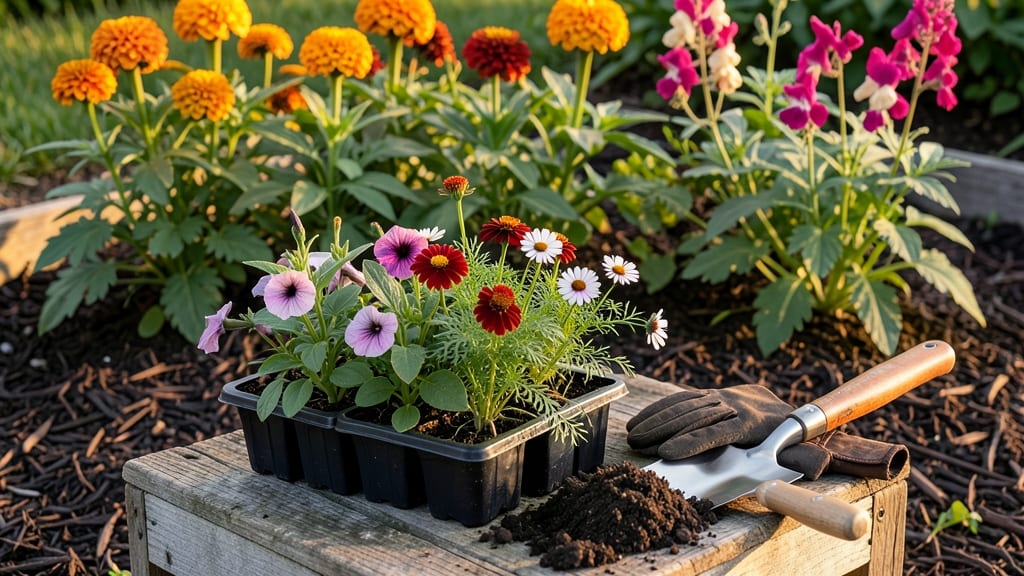
Timing your annuals planting in Ohio right can mean the difference between a garden bursting with vibrant 🌸 blooms and one that wilts before summer even arrives.
Ohio’s unpredictable spring weather—where frost can linger in northern zones like 6a while southern 6b areas are already baking—makes getting the schedule perfect a challenge.
Most gardeners wait until after the last frost date, typically mid-April to early May, but that’s just the starting point. The real secret lies in understanding your microclimate: Are you near Lake Erie’s cooler breezes or tucked into a heat-trapping urban pocket?
I’ll break down exactly when to plant cool-loving annuals like pansies versus heat-lovers like marigolds, so you can avoid common mistakes that kill seedlings.
You’ll also discover how to stretch your growing season with simple tricks—like using row covers for early starts or timing fall plantings for late-summer color. Whether you’re growing vegetables, flowers, or herbs, these Ohio-specific strategies will help you maximize every sunny day without guessing when to pull the trigger.
Ready to turn your garden into a showstopper? Let’s dive into the precise planting windows that actually work for Ohio’s diverse zones—and keep your annuals thriving from May through October.
Ohio’s planting zones: exact dates for annuals by microclimate
Ohio spans USDA zones 4a through 6b, meaning your last frost date can vary by 3–4 weeks from the southern border to Lake Erie. In Northern Ohio (zones 4a–5a), like Cleveland or Toledo, wait until May 1–15 to plant warm-season annuals like marigolds or zinnias.
Meanwhile, Southern Ohio (zones 5b–6b), including Cincinnati or Columbus, can start as early as April 15–30 for heat-loving plants.
Cool-season annuals—such as pansies, snapdragons, and lettuce—thrive when planted 4–6 weeks before the last frost. For example, in zone 5a (e.g., Akron), sow these in late March for early spring blooms.
Always check your local Almanac’s frost predictions or use a soil thermometer to confirm 60°F+ soil temps before planting.
🌱 Key Tip: Urban areas like Columbus often experience heat islands, warming up faster than rural zones. Adjust your planting by 1–2 weeks earlier in cities compared to nearby countryside.
| Zone | Last Frost Date | Plant Warm-Season Annuals | Plant Cool-Season Annuals |
|---|---|---|---|
| 4a (e.g., Youngstown) | May 15–20 | May 20–June 1 | Late March–April 1 |
| 5a (e.g., Cleveland) | May 1–10 | May 10–20 | Late March–April 15 |
| 5b (e.g., Columbus) | April 15–30 | April 30–May 10 | Early March–April 15 |
| 6a (e.g., Cincinnati) | April 1–15 | April 15–30 | Late February–March 15 |
| 6b (e.g., Chillicothe) | March 20–April 1 | April 1–15 | Late February–March 10 |
🌡️ Pro Tip: Use a soil thermometer to confirm 60°F+ before planting warm-season annuals.
For fall-blooming annuals like cosmos or sunflowers, start seeds 8–10 weeks before your first frost. In zone 5a, this means sowing in mid-July, while zone 6b gardeners can plant until August 1.
Always account for daylength changes—longer summer days speed up growth, so adjust timing if your area has 14+ hours of daylight.
If you’re unsure about your zone, use the USDA Plant Hardiness Zone Map or check with your local Cooperative Extension office. For example, Toledo (zone 5b) often sees earlier frosts than nearby Maumee (zone 6a) due to Lake Erie’s influence. Microclimates matter!
For container gardening, warm up pots with black plastic mulch or place them near south-facing walls to extend your planting window by 1–2 weeks. This trick works especially well for petunias or geraniums, which need consistent warmth.
Remember: Frost dates are predictions, not guarantees. Always have row covers or cold frames ready to protect tender seedlings if late frosts strike. Spring in Ohio is unpredictable! 🌿
To maximize blooms, succession plant every 2–3 weeks after your initial sowing. For instance, plant marigolds in early May, then again in mid-June for continuous color through October. This strategy ensures your garden never looks bare.
How to adjust planting times for Ohio’s unpredictable weather
Ohio’s spring weather can swing from freezing nights to unseasonable warmth in a single week. This unpredictability makes timing critical for annuals—especially heat-sensitive varieties like impatiens or cool-loving crops like lettuce. The key is using soil temperature and frost risk data to fine-tune your schedule, not just relying on calendar dates. A soil thermometer is your best tool. Most annuals thrive when soil hits 60°F (15°C), but warm-season plants like tomatoes need 70°F (21°C) before planting. Check temperatures at 1-inch depth in the morning—this gives you a real-time read on root-zone conditions. If your soil is still chilly, hold off even if the air feels warm.Never plant annuals outdoors until 7 days after your average last frost date. Why? A late frost can still hit, and young seedlings are extremely vulnerable. For example, if your zone’s last frost is April 15, wait until April 22—even if the weather looks perfect. Urban areas like Columbus often run 2–3 days earlier than rural spots due to heat island effects.
Pro tip: Keep a gardening journal to track your local frost dates and soil conditions. Over time, you’ll spot patterns—like when your zone consistently gets a late frost or when summer heat arrives early.
Adjust your schedule each year based on your notes, not just the USDA zone averages. With these tactics, you’ll turn Ohio’s unpredictable weather into an advantage, not a setback.