
Plants
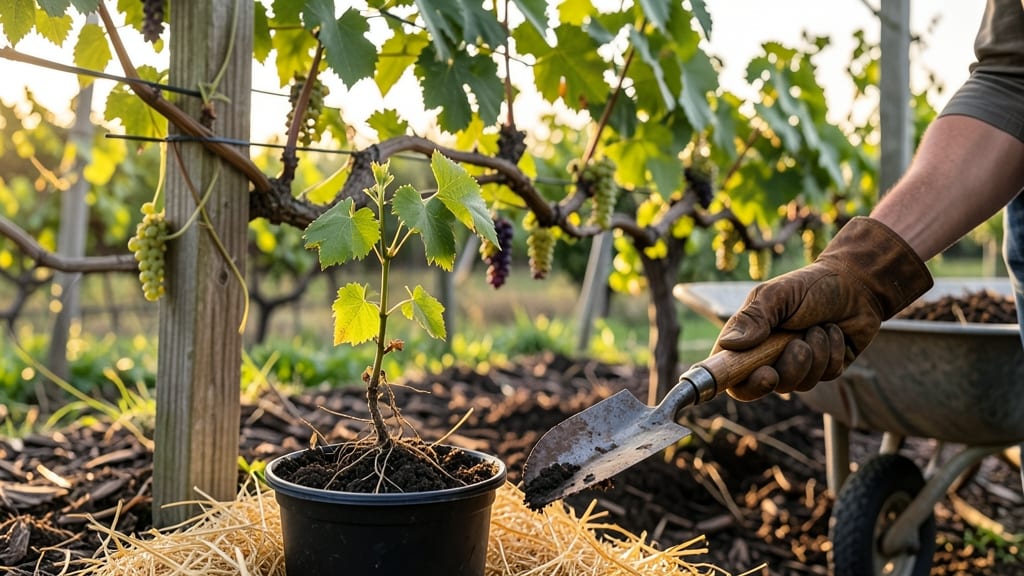
Timing your grape planting in Georgia isn’t just about picking a month—it’s about mastering the balance between winter chill and summer heat to ensure your 🍇 vines thrive.
Plant too early, and frost can still nip tender roots; too late, and Georgia’s scorching sun will stress young plants before they’ve had a chance to take hold.
Georgia’s USDA zones 7a-8b create unique challenges, where varieties like Muscadine need fewer chill hours than European grapes. The sweet spot? Late winter to early spring, when soil temperatures rise but frost risk fades.
But here’s the catch: your choice of variety dictates the exact window—some need planting in February, others wait until April.
I’ll walk you through the exact planting schedule for Georgia’s top varieties, including soil prep secrets and how to avoid common mistakes that derail even the most eager gardeners.
Whether you’re growing wine grapes or sweet table varieties, getting this right means stronger vines, bigger yields, and fewer headaches down the road.
Ready to turn your Georgia backyard into a vineyard? Let’s dive into the step-by-step timing that separates successful harvests from disappointed growers—and how to match your planting date to your grape’s chill-hour needs. Your future 🍇 harvest starts with these simple but critical choices.
Georgia’s chill-hour zones: best planting months by variety
Georgia’s climate varies dramatically from the coastal plains to the mountain regions, creating distinct chill-hour zones that dictate when—and which—grape varieties thrive.
The state spans USDA Zones 7a-8b, but chill hours (the number of hours below 45°F) are the real game-changer for grape success. Muscadines (native to Georgia) need 0-500 chill hours, while Vitis vinifera (wine grapes) require 1,000+ chill hours in the mountains.
Understanding your chill-hour zone ensures you pick the right variety and plant at the optimal time. For example, ‘Scuppernong’ (a popular Muscadine) thrives in Zone 7b-8a with 300-500 chill hours, while ‘Cabernet Sauvignon’ needs Zone 7a or cooler with 1,200+ chill hours.
Planting outside these zones risks poor fruit set or winter dieback.
Here’s how to match your location to the best planting window:
In Zone 7b-8a (most of Georgia), the sweet spot for planting is late February to mid-April. This window ensures vines establish roots before summer heat stress and survive winter’s occasional late frosts.
For example, in Athens (Zone 8a), I plant Chambourcin in early March, while in Savannah (Zone 8b), I stick to Muscadines planted in late February.
Soil preparation is just as critical as timing. Georgia’s clay-heavy soils drain poorly, so I always amend with compost and sand 2-3 months before planting.
For Vitis vinifera in the mountains, I add organic matter to improve drainage, while Muscadines in the coastal plains benefit from a slightly acidic pH (5.5-6.5). Test your soil 6-8 weeks before planting to adjust nutrients.
If you’re planting bare-root vines (most common for grapes), soak roots in water for 1-2 hours before transplanting. For potted vines, avoid planting when soil is waterlogged—wait for mild, overcast days to reduce transplant shock.
In Zone 8a/b, I often plant on a cool, cloudy March morning to minimize stress.
One common mistake is planting Vitis vinifera too late in Zone 8a/b. These varieties need time to harden off before winter, so I never plant them after mid-April in central Georgia.
For low-chill varieties like ‘Crimson’, I push the window to late January in the coastal plains, but I cover young vines with row fabric if frost is forecasted.
Pro tip: Use a chill-hour calculator (like the one from the University of Georgia Extension) to confirm your zone. Then, align your planting date with the last average frost date in your area—typically mid-March for most of Georgia.
This ensures your vines aren’t caught off guard by a late freeze.
For container growing, the rules shift slightly. Potted grapes can handle earlier planting (January-February) because you can move them indoors or to a sheltered spot during cold snaps. However, they still need full sun exposure and consistent moisture—Georgia’s summer heat can dry out containers quickly.
Remember, Muscadines are the most forgiving for Georgia gardeners. They tolerate poor drainage, heat stress, and even occasional flooding, making them ideal for beginners. If you’re unsure about your chill hours, start with a Muscadine variety like ‘Carlos’—it’s hardy and productive with minimal fuss.
Step-by-step planting timeline for Georgia grapes
Georgia’s 215 frost-free days and USDA zones 7a-8b create a narrow window for planting grapes. For bare-root vines, aim for late February to early March—just before buds swell but after soil thaws.
Potted vines can go in slightly later, through mid-April, but avoid heatwaves above 90°F that stress young roots.
Start by soaking bare-root vines in water for 2-4 hours before planting. This jumpstarts root growth in Georgia’s clay-heavy soils. For Vitis vinifera varieties (like Cabernet Sauvignon), break dormancy with a 24-hour warm-water soak (100°F) to simulate spring warmth. Muscadines and hybrids don’t need this step.
📅 Step-by-Step Planting Timeline
- Late February: Plant bare-root vines in well-draining soil. Soak roots overnight first.
- Early March: Break dormancy for Vitis vinifera (warm-water soak). Add compost to planting holes.
- Mid-March: Mulch with 3-4 inches of wood chips to retain moisture and regulate soil temp.
- April: Water deeply 2-3 times per week until new growth appears (2-4 weeks).
- May: Prune suckers to 1-2 buds per cane. Apply balanced fertilizer (10-10-10).
- June-August: Reduce watering to bi-weekly deep soaks as roots establish.
- September: Stop fertilizing to harden vines for winter. Remove late-season growth.
For container-grown grapes, dig a hole twice as wide as the root ball and mix in sand and compost to improve drainage. Place the vine so the graft union sits 2-3 inches above soil level—this prevents rot in Georgia’s humid summers.
Stake young vines immediately to support their 15-25 ft mature height.
After planting, water deeply every 7-10 days until leaves appear. Avoid overhead watering to prevent fungal diseases like powdery mildew, common in Georgia’s high humidity. Instead, use drip irrigation or soaker hoses. In years with late frosts (like 2023’s April freeze), protect vines with frost cloth until buds harden.
By June, vines should show 2-4 ft of new growth. This is your cue to prune suckers (non-fruiting shoots) and train canes along trellises.
In Georgia’s heat, avoid heavy pruning after mid-June—it stresses vines before winter dormancy. Instead, focus on water management and shade cloth for young plants.
Timing your planting right means harvest-ready grapes by late August for early varieties like ‘Crimson’ or October for Muscadines. The key? Plant when soil temps hit 50°F (use a soil thermometer) and avoid heat stress—Georgia’s summers are no joke for tender roots! 🌱