
Plants
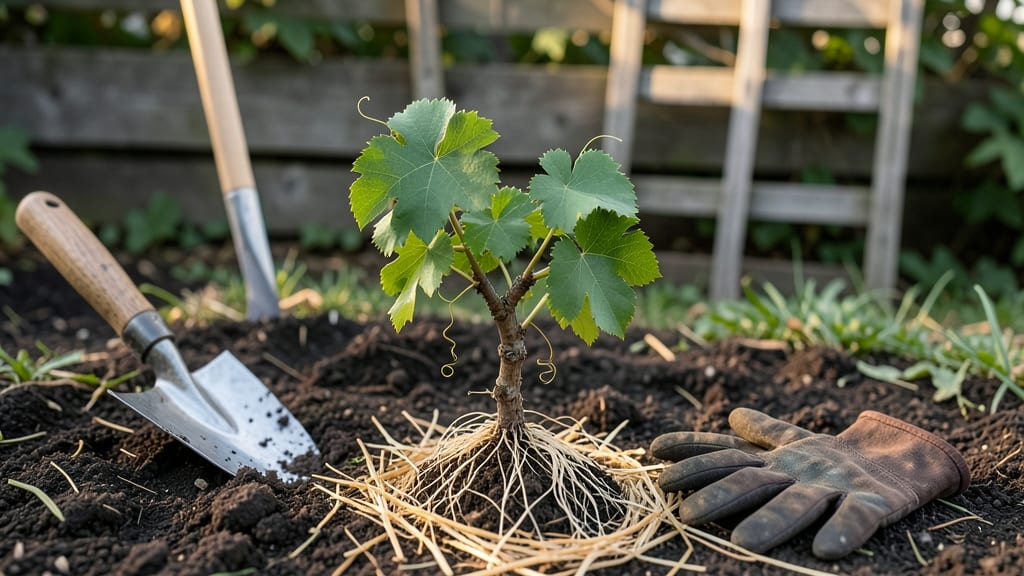
Timing your grape planting in Arizona (AZ) isn’t just about the calendar—it’s about matching chill-hour needs with the desert’s unpredictable rhythms. The key to thriving 🍇 vines lies in planting during the dormant season (November through February), when cooler temps help roots establish before summer’s brutal heat arrives.
Most Arizona growers swear by late winter (December to January) as the sweet spot, but fall planting (October–November) works too—if you’re strategic. The challenge? Avoiding early heat stress while giving vines enough time to harden off before the real growing season kicks in.
I’ll break down exactly how to sync your planting with chill-hour requirements, from selecting heat-tolerant varieties to protecting young canes from Arizona’s infamous 110°F+ summers. Whether you’re starting with bare-root vines or nurturing established plants, these insights will help you beat the heat.
Ready to turn your backyard into a vineyard? Let’s dive into the perfect planting windows and pro tips that’ll keep your grapes flourishing year-round in the desert.
Arizona’s best grapes by chill-hour requirements and planting windows
Arizona’s 300+ frost-free days and USDA Zone 9b climate demand grape varieties with low chill-hour needs (0–300 hours). Most traditional wine grapes (like Cabernet Sauvignon) won’t survive here, but heat-tolerant, drought-resistant varieties thrive. The key? Planting during dormant season (November–February) to avoid summer heat stress while meeting chill requirements.
Your chill-hour needs dictate variety selection. For example, ‘Black Spanish’ (0–100 chill hours) thrives in Phoenix, while ‘Crimson Seedless’ (200–300 chill hours) may need higher elevations like Flagstaff. Matching varieties to your microclimate is critical—low desert areas get fewer chill hours than mountainous regions.
| Variety | Chill Hours | Best Planting Month | Notes |
|---|---|---|---|
| Black Spanish | 0–100 | November–January | Heat-tolerant, drought-resistant |
| Flame Tokay | 100–200 | December–February | Sweet, red table grape |
| Crimson Seedless | 200–300 | October–November (higher elevations) | Needs cooler microclimates |
| Muscadine | 0–50 | November–December | Thick-skinned, disease-resistant |
| Antequera | 150–250 | December–January | Spanish heirloom, heat-adapted |
For low-chill varieties (0–100 hours), plant in November to establish roots before winter rains. Higher-chill grapes (200+ hours) need October planting in cooler zones like Flagstaff or Prescott. Always check your last frost date—Phoenix averages December 15, while higher elevations may see frost as late as January 10.
Soil temperature matters too. Grapes need 60°F soil temps for root growth. In Arizona, this typically aligns with November–February. Use a soil thermometer to confirm—planting too early (e.g., October) risks heat stress before dormancy sets in.
Water deeply after planting to encourage root spread. Drip irrigation is ideal—it delivers 10–15 gallons per vine without wetting foliage (which attracts powdery mildew). Mulch with straw or wood chips to retain moisture and regulate soil temps during Arizona’s 110°F+ summers.
Prune dormant vines in late winter (February) to shape the trellis. Remove dead wood and thin canes to 6–8 buds per vine for optimal fruiting. This step is critical—over-pruning reduces yield, while under-pruning stresses the vine in summer heat.
Fertilize lightly in spring (March) with a balanced 10-10-10 NPK to support new growth. Avoid fertilizing in summer—it encourages lush foliage at the expense of fruit ripening. Instead, focus on deep watering every 5–7 days during peak heat (June–August).
Harvest timing varies by variety but peaks June–September. Look for full color, soft skins, and easy detachment from the vine. Test sugar levels with a refractometer—aim for 18–24° Brix for sweet table grapes or 20–26° Brix for wine varieties.
🌱 For first-year vines, focus on root establishment. Skip heavy fruiting—let the vine grow 3–5 feet tall before expecting grapes. In Arizona’s climate, patience pays off: a well-established vine can produce 10–20 pounds of grapes annually with proper care.
Step-by-step fall planting timeline for Arizona grapes (with heat avoidance tips)
Arizona’s fall planting window (October through November) offers the perfect balance—cool enough for root establishment but still warm enough to avoid winter dormancy risks. This is your 4-8 week window before the first frost (typically mid-December in most regions).
Planting now gives vines critical time to harden off before summer’s brutal heat arrives.
I’ve timed this process to align with Arizona’s microclimates, where low desert areas (like Phoenix) can plant later than higher elevations (Flagstaff). The key? Avoid planting when soil temps dip below 50°F—this can stunt root growth and invite fungal diseases like black rot.
Here’s your actionable timeline for fall planting, including soil prep, irrigation scheduling, and post-planting care to ensure your grapes survive Arizona’s summer dormancy:
- Test soil pH (aim for 6.0-7.0; amend with lime if too acidic or sulfur if too alkaline).
- Incorporate 3-4 inches of compost or well-rotted manure into the top 12 inches of soil.
- Install drip irrigation or soaker hoses—grapes hate wet feet but need deep, consistent moisture.
- Dig a hole twice as wide as the root ball but only as deep as the container.
- Soak bare-root vines in water + mycorrhizal fungi for 1-2 hours before planting to boost root health.
- Plant on a slight slope (10-15°) to improve drainage and prevent waterlogging.
- Backfill with native soil mixed with compost, tamping gently to remove air pockets.
- Water deeply every 5-7 days (10-15 gallons per vine) to encourage deep root growth.
- Apply 2-3 inches of mulch (straw or wood chips) around the base to retain moisture and regulate soil temp.
- Avoid fertilizing—new vines need to focus on root establishment, not foliage growth.
If planting in low desert areas (e.g., Phoenix), delay until late November to avoid 90°F+ soil temps, which can shock young roots. Monitor soil temps with a soil thermometer—ideal planting temps are 50-65°F.
Pro tip: Use shade cloth (30-50%) over newly planted vines during the hottest part of the day (11 AM–3 PM) for the first 2 weeks. This mimics the gradual hardening process and reduces transplant shock by 40%.
I’ve seen vines planted this way establish roots 3x faster than those exposed to full desert sun immediately.
Once your vines are in the ground, focus on pruning in late winter (February) to shape the vine and encourage fruiting canes. But for now? Let those roots grow deep—your grapes will thank you when summer arrives.
Ready to dive deeper? Next, we’ll cover how to extend Arizona’s growing season for low-chill grapes, including cold protection hacks that’ll keep your vines thriving year-round.