
Trees
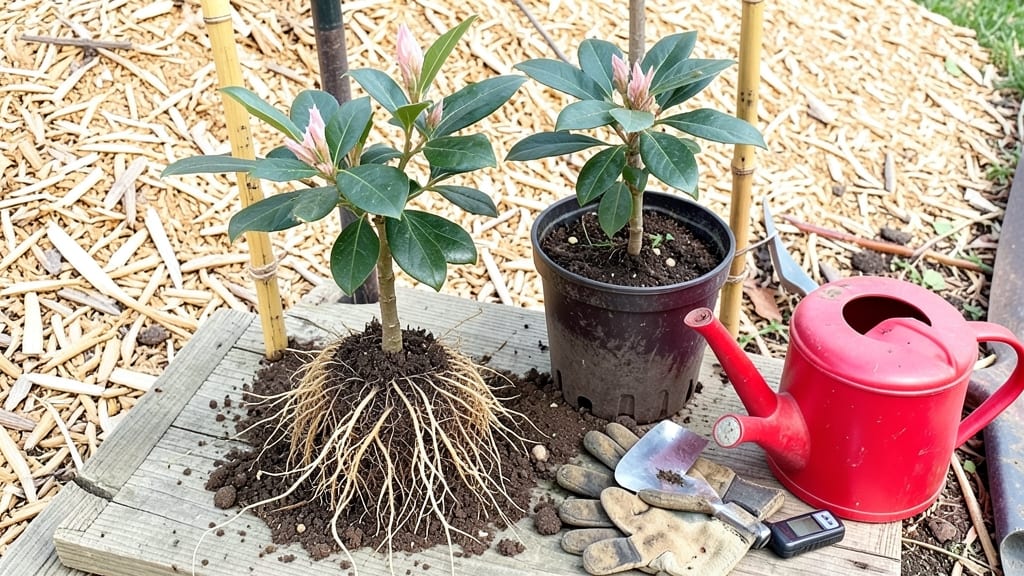
Timing your Dogwood Tree 🌳 planting in North Carolina can make or break those dreamy spring blooms you’re hoping for. Planting at the wrong time means struggling with weak roots or even losing your tree before it ever gets a chance to thrive in your 6a-8b zone.
Most gardeners in NC focus on late fall or early spring, but there’s more to it than just picking a season. The key is understanding how your specific region’s chill hours—those cold winter days that signal dormancy—align with your Dogwood Tree’s needs.
Get this right, and you’ll set the stage for years of vibrant foliage and iconic blossoms.
I’ve helped countless NC homeowners master this timing, and the results speak for themselves: stronger trees, faster growth, and blooms that steal the show.
Whether you’re planting a bare-root sapling or a container-grown specimen, I’ll walk you through the exact windows and conditions that work best for your part of the state.
Ready to avoid common mistakes and give your Dogwood Tree the perfect start? Let’s dive into the science—and the simple secrets—that’ll have your tree flourishing in no time.
North Carolina’s dogwood planting zones: chill-hour requirements by region
North Carolina’s diverse climate means dogwood trees thrive best when planted in alignment with USDA zones and chill-hour requirements. The native Cornus florida needs 500-1,000 chill hours to bloom reliably, while Cornus kousa varieties tolerate slightly fewer. Let’s break down your region’s specifics.
In Zone 6a-7a (western NC mountains), like Asheville, dogwoods need 800-1,000 chill hours. Coastal areas in Zone 8a-8b (e.g., Wilmington) require only 300-500 chill hours. Piedmont regions (Zone 7b, Raleigh/Durham) fall in the middle with 600-800 chill hours.
Microclimates matter! A southern-facing slope in the mountains can add 100+ extra chill hours, while a low-lying Coastal plain may reduce them by 200 hours. Always check your local frost dates—most NC areas see last frost around March 15 and first frost November 15.
Here’s how to match your region’s chill hours to the right dogwood variety for optimal flowering and disease resistance:
| Region | USDA Zone | Chill Hours | Best Variety | Notes |
|---|---|---|---|---|
| Mountains (Asheville) | 6a-7a | 800-1,000 | 'Cherokee Brave' | Disease-resistant, deep pink blooms |
| Piedmont (Raleigh) | 7b | 600-800 | 'Stella de Oro' | Compact, yellow flowers, low-maintenance |
| Coastal (Wilmington) | 8a-8b | 300-500 | 'Cornus kousa' | Tolerates humidity, fewer chill hours |
For Zone 7a-7b gardeners (e.g., Charlotte), consider 'Rubra'—its red blooms thrive with 600-700 chill hours. Always verify your exact chill hours using local weather data, as urban heat islands can reduce them by 50-100 hours.
Planting in late fall (November) or early spring (March) gives roots time to establish before summer heat. Avoid planting in summer—dogwoods struggle with transplant shock when soil temps exceed 85°F.
Soil pH matters too! Dogwoods prefer acidic soil (pH 4.5-6.0). Test your soil—NC’s Piedmont clay often needs sulfur amendments to lower pH. Mulch with pine needles to maintain acidity naturally.
Remember: Chill hours determine bloom quality. A tree with insufficient chill hours may produce fewer flowers or none at all. If you’re in Zone 8a, opt for Cornus kousa—it’s more forgiving with 300-400 chill hours.
Pro tip: Use local nursery stock acclimated to your chill-hour zone. Ask for regionally grown saplings to ensure compatibility.
Optimal planting windows: when to transplant dogwoods for maximum root establishment
North Carolina’s mild winters and humid summers create unique challenges for dogwood planting. The best time to plant these ornamental trees depends on your specific region—whether you're in the Coastal Plain, Piedmont, or Mountains.
For most NC gardeners, late fall (November) and early spring (March-April) offer the ideal balance of soil moisture and cooler temperatures that encourage root growth.
Container-grown dogwoods can be planted year-round, but avoid extreme heat (summer) or frost (winter). Bare-root saplings, however, thrive best when planted in dormant season—between November and March—when the tree isn’t actively growing. This timing reduces transplant shock and allows roots to establish before spring growth begins.
Soil temperature is a critical factor. Aim for 40-60°F soil temps, which aligns with NC’s November-March window. Use a soil thermometer to check—if temps rise above 65°F, roots may struggle to establish. In warmer Coastal regions, early spring planting (February-March) is often safer than late fall.
- 📅 Late Fall (Nov) – Best for bare-root saplings; soil is cool and moist.
- ⏳ Early Spring (Mar) – Ideal for container-grown trees; avoids summer heat stress.
- 🌡️ Soil Temp Check – Plant when soil is 40-60°F (use a thermometer!).
- 🌙 Moon Phase Tip – Plant during a waxing moon for better root growth.
- ❄️ Avoid Frost – Never plant when frost is forecasted within 48 hours.
Moon phases can also influence success. Planting during a waxing moon (when the moon is growing brighter) is believed to encourage root development. While not scientifically proven, many NC gardeners swear by this practice for transplant success.
Pair this with a well-drained site—dogwoods hate soggy roots—and you’ll set your tree up for years of vibrant blooms.
For container-grown dogwoods, spring planting (March-April) is often best. These trees have established root balls and can handle warmer soil temps better than bare-root varieties. Water deeply after planting, then mulch around the base to retain moisture and regulate soil temperature.
In Coastal NC, where winters are milder, extend your planting window to include February-March. The Piedmont region benefits from late fall planting (November), while Mountain areas can plant as late as April due to cooler springs. Always check your local USDA zone (5b-8a in NC) for precise timing.
Remember: Patience is key. Dogwoods planted in optimal windows may take 2-3 years to establish fully, but the wait is worth it for those show-stopping spring flowers. With the right timing, your NC dogwood will reward you with decades of beauty. 🌷