
Plants
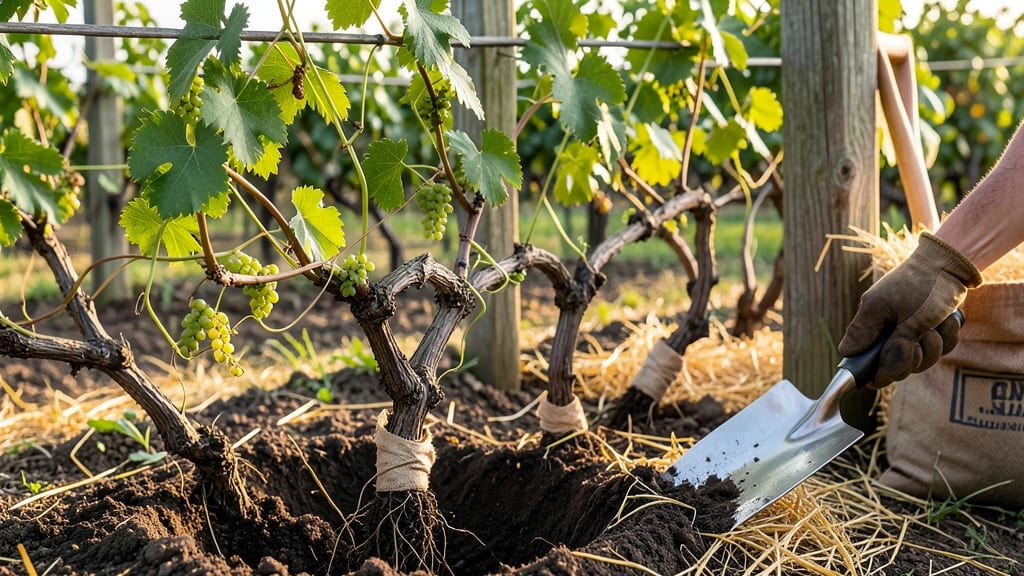
If you're dreaming of homegrown 🍇 grapes but timing your Alabama planting wrong could mean wasted effort, don't panic—there's a science to getting it right. The key lies in matching grape varieties to Alabama's unique 7a-8b climate, where chill-hour requirements and frost dates dictate your perfect window.
Planting too early risks frost damage, while waiting too long might stunt your vines before summer heat kicks in.
For most Alabama gardeners, the sweet spot falls between late winter and early spring—specifically February through March—but your exact timing depends on whether you're growing low-chill Muscadines or higher-chill varieties like Norton.
I'll walk you through the exact planting dates that work for Alabama's microclimates, from the cooler highlands to the warmer coastal regions. You'll learn how to prepare your soil, choose the right varieties for your zone, and set up your vines for a successful harvest by late summer.
Whether you're planting a single vine in your backyard or planning a small vineyard, these insights will help you avoid common mistakes and get your grapes off to the best possible start. Let's make sure your grapevines thrive from day one.
Best planting months for Alabama grapes by chill-hour needs
Alabama’s USDA Zones 7a-8b offer a unique challenge for grape growers: balancing warm winters with chill-hour requirements. Most grape varieties need 200-1,000 chill hours (below 45°F) to break dormancy.
Planting too early risks frost damage, while late planting may delay fruit production. The ideal window is February through April, but exact timing depends on your grape variety.
For example, Muscadine grapes thrive with 100-300 chill hours and can handle Alabama’s mild winters. Meanwhile, Crimson Seedless or Norton varieties need 400-600 chill hours, pushing their planting window slightly earlier.
High-chill varieties like Chambourcin or Cabernet Sauvignon (800+ chill hours) may struggle unless planted in cooler microclimates like northern Alabama.
Here’s how to match your grape variety to Alabama’s planting deadlines:
Alabama’s last frost date varies by region—March 15 in northern areas like Huntsville but as late as April 1 in Mobile. To avoid frost damage, plant bare-root vines when soil temperatures reach 50°F and stay above 40°F at night.
For container-grown grapes, wait until after March 15 to transplant outdoors.
Soil preparation is critical. Alabama’s clay-heavy soils drain poorly, so amend with compost or sand to improve drainage. Test your soil’s pH—grapes prefer 6.0-6.5. If your soil is too acidic (<6.0), add lime 2-3 months before planting. For high-chill varieties, consider raised beds to warm soil faster in spring.
Once planted, mulch heavily with straw or wood chips to retain moisture and regulate soil temperature. In Alabama’s heat, mulch also suppresses weeds that compete with young vines for nutrients.
Water deeply 1-2 times per week during the first growing season, focusing on the root zone rather than overhead watering to prevent fungal diseases like powdery mildew, which thrives in Alabama’s humid summers.
Pro tip: Use drip irrigation to deliver water directly to the roots. This method saves water and reduces disease risk compared to sprinklers. If you’re planting in containers, choose large pots (at least 15-gallon size) with drainage holes and use a well-draining potting mix.
Container grapes can be moved to protected microclimates if late frosts threaten.
Remember, Alabama’s summer heat can stress young vines. After planting, shade vines with 30% shade cloth during the first 2-3 weeks to reduce transplant shock.
Once established, grapes will thrive in Alabama’s full sun and heat, but early care sets the stage for a bountiful harvest in late summer or fall.
Best planting months for Alabama grapes by chill-hour needs
Alabama’s 7a-8b climate creates unique challenges for grape growers, where chill-hour requirements dictate which varieties thrive. Low-chill grapes like Muskadines (300-500 hours) can handle Alabama’s mild winters, while varieties like Norton (600-800 hours) need precise timing to avoid winter damage or summer heat stress.
For most Alabama gardeners, the ideal planting window spans from late February through March, aligning with soil thaw and before the March 15 average last frost date. However, high-chill varieties (like Cabernet Sauvignon) may need earlier planting in cooler microclimates like Sand Mountain.
Here’s how to match your grape variety to Alabama’s chill-hour zones and planting deadlines:
🍇 Alabama Grape Planting Guide by Chill-Hour Needs
| Variety | Chill-Hour Range | Best Planting Month | Soil Temp for Planting | Notes |
|---|---|---|---|---|
| Muskadine | 300-500 hrs | February-March | 50°F+ | Heat-tolerant; plant early for root establishment |
| Crimson | 500-600 hrs | Late February-March | 50°F+ | Moderate chill; avoid late planting in lowlands |
| Norton | 600-800 hrs | February (cooler zones) or March (lowlands) | 45°F+ | Native variety; plant early in highlands |
| Chambourcin | 700-900 hrs | February (highlands only) | 45°F+ | Risky in lowlands; needs winter protection |
If you’re in Alabama’s lowland zones (e.g., Mobile, Dothan), aim for March planting to avoid late frosts, while highland areas (e.g., Huntsville, Sand Mountain) can plant as early as late February. Always check your local Alabama Extension Service frost data for precise adjustments.
Pro tip: For container-grown grapes, plant 2-3 weeks earlier than ground vines—their roots warm up faster in pots. Just ensure your containers have drainage holes to prevent root rot during Alabama’s humid summers.
Once planted, focus on root establishment by keeping soil consistently moist (but not soggy) for the first 6-8 weekslate summer or fall.