
Plants
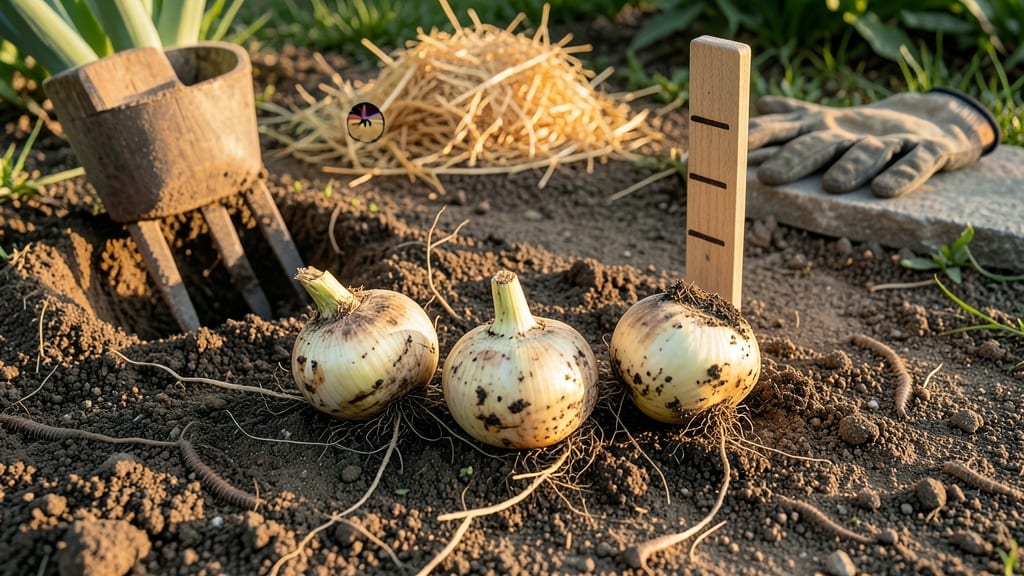
Timing your gladiolus bulb planting in Georgia isn't just about the calendar—it's about catching that perfect window when the soil warms enough to protect your 🌸 from late frosts while still giving them time to thrive.
Georgia's 7b-8b zones mean you've got about 200 frost-free days, but those cold snaps can sneak up until mid-March, turning your bulbs into frost-susceptible casualties if planted too soon.
Most gardeners in Georgia rush to plant in February, but that's a gamble—especially in North Georgia where soil temperatures can still hover around 45°F, far too chilly for gladiolus roots to establish.
The key is waiting until the soil consistently stays above 50°F, typically landing you in that sweet spot between mid-March and early May. This timing ensures your bulbs wake up strong and race toward those late-summer blooms you're dreaming of.
What makes this even trickier is Georgia's regional differences. Coastal areas might be ready by early March, while inland zones like Atlanta could still be playing the frost waiting game into April.
That's why I'll show you how to read your soil like a pro—no guesswork, just vibrant gladiolus standing tall by August when your neighbors are still waiting for their blooms to arrive.
Let's break down the exact signs your Georgia soil is ready (beyond just checking the thermometer), plus the 3 planting mistakes that wreck more gladiolus gardens here than you'd think. Trust me, skipping these steps means your bulbs could end up stunted, weak, or—worst of all—never flowering at all.
Georgia’s ideal gladiolus planting window based on soil temperature
Georgia’s USDA zones 7b-8b create a unique challenge for gladiolus planting—soil warmth is more critical than calendar dates. Unlike northern states, Georgia’s humid subtropical climate means soil stays cold longer in North Georgia (zone 7b) while South Georgia (zone 8b) warms up faster.
The key? Soil thermometers and regional adjustments.
For North Georgia (Athens, Dalton), aim for mid-April planting when soil reaches a consistent 50°F at 4-inch depth. In South Georgia (Savannah, Valdosta), you can plant as early as late March—just 2-3 weeks earlier. The difference? Heat zone variations of 1-2 weeks across the state.
Here’s the critical rule: Never plant when nighttime temps dip below 55°F. Gladiolus bulbs are tender perennials that won’t survive Georgia’s late-spring frosts, which can hit as late as mid-April in mountain regions like Blue Ridge.
Use this soil temperature guide to time your planting perfectly: North Georgia (7b): Wait until April 15 minimum Central Georgia (7b-8a): Plant by April 1 South Georgia (8b): Ready by March 20 Coastal Georgia (8b+): Can plant as early as March 1
| Georgia Region | USDA Zone | Ideal Planting Window | Soil Temp Trigger |
|---|---|---|---|
| North Georgia (Blue Ridge, Dalton) | 7b | Mid-April to early May | 50°F+ at 4" depth (consistent) |
| Central Georgia (Athens, Macon) | 7b-8a | Late March to April 1 | 48°F+ at 4" depth |
| South Georgia (Valdosta, Albany) | 8a-8b | Late March to mid-April | 45°F+ at 4" depth |
| Coastal Georgia (Savannah, Brunswick) | 8b+ | Early to mid-March | 42°F+ at 4" depth |
Pro tip: Test your soil for 3 consecutive days before planting. If temps fluctuate between 45°F and 55°F at night, wait 1-2 weeks. Use a digital soil thermometer ($10 at garden centers) for accuracy—stick thermometers (like those for meat) work too!
For container gardening in Georgia, you can plant 2-3 weeks earlier since pots warm up faster. Just ensure containers have drainage holes—gladiolus hate soggy roots and Georgia’s clay soil can trap moisture. Mix in perlite or sand to improve drainage.
Timing isn’t just about frost risk—it’s also about bloom synchronization. Planting at the optimal window ensures your gladiolus bloom from late July to October, avoiding the dog days of August when heat stress can reduce flower quality. Aim for 6-8 weeks before your target bloom date.
Remember: Gladiolus bulbs are not perennial in Georgia’s climate—they’ll die back in winter. Treat them as annuals for reliable blooms, or dig and store them in dry peat moss over winter if you’re ambitious. Most gardeners replant fresh bulbs each spring for zero frost risk.
If you’re in North Georgia with shorter growing seasons, choose early-blooming varieties like ‘Green Star’ or ‘Picasso’. For South Georgia’s longer heat, opt for heat-tolerant types like ‘Black Pearl’ or ‘White Prosperity’—they’ll handle the humidity better.
🌱
5 Key signs Georgia’s soil is ready for gladiolus bulbs (beyond temperature)
Checking your soil thermometer for 50°F consistency is just the start—Georgia’s unpredictable spring weather means you need visual cues to confirm your gladiolus bulbs won’t face frost shock.
I’ve planted these tall beauties for years in North Georgia’s 7b zone, and these five signs have saved me from multiple frost-related disasters.
First, watch for earthworm activity. When you see them surfacing after rain, your soil is warming fast enough for gladiolus roots. These wiggly indicators mean temperatures are climbing toward that ideal 55-60°F range where bulbs thrive.
Pair this with spring peeper frogs—their choruses signal rising ground temps perfect for planting.
Next, observe your companion plants. If your marigolds or zinnias are already sprouting, your gladiolus bulbs are safe to go in. These sun-lovers wake up earlier than gladiolus, giving you a natural ready signal.
For clay-heavy soils common in South Georgia, dig a small hole and check for moisture retention—if it holds but drains within 24 hours, it’s prime.
Here’s where most gardeners miss the mark: ignoring local frost pockets. Even if your thermometer says 55°F, valleys and low spots can stay 10°F colder overnight. Plant in slightly elevated areas or near south-facing fences to capture extra warmth.
My Atlanta garden lost three gladiolus batches in April until I moved them to a raised bed near my brick wall.
Finally, trust your touch test. Press your finger into the soil—if it feels like a warm, slightly damp sponge, not a cold brick, your bulbs will root happily.
This tactile check beats guesswork every time. Combine these signs with your soil thermometer, and you’ll nail that mid-March to early May window like a pro.
Pro tip: Combine these signs with your last frost date (typically March 15 in most of Georgia) by planting 4-6 weeks before that date. For example, if your last frost is April 1st, aim for mid-February planting—but only if all five signs above are met.
This two-pronged approach has given me consistent 4-5 ft blooms every year, even in North Georgia’s cooler microclimates.
Remember, gladiolus bulbs are corm-based, meaning they store energy underground. These signs ensure they’ll have the warmth and moisture needed to shoot up quickly and outpace any lingering frost.
Skip these checks, and you might end up with stunted stems or no blooms at all—trust me, I’ve been there.