
Plants
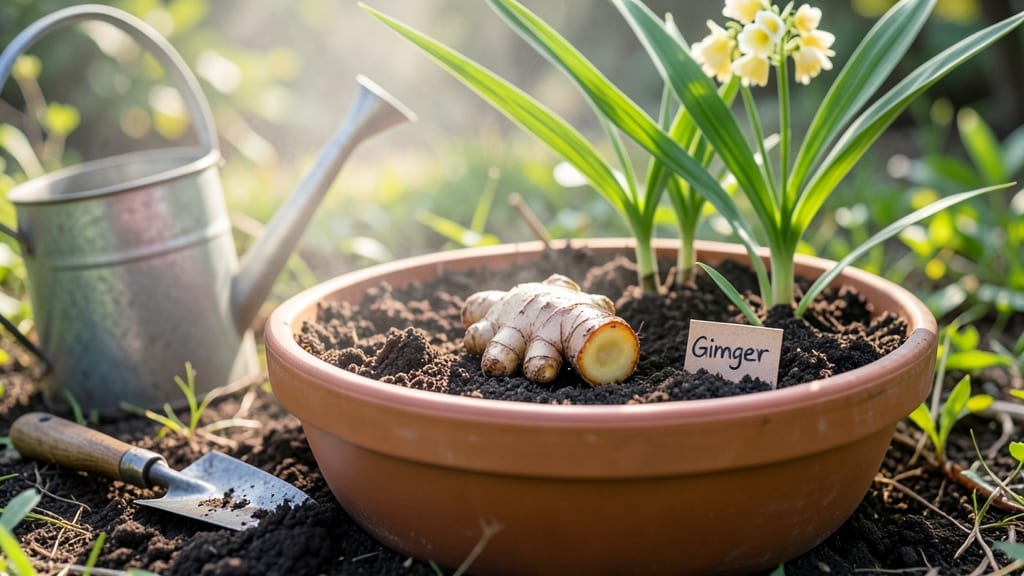
If you're dreaming of fresh, homegrown ginger and want to know when to plant ginger in NC, timing is everything—especially in North Carolina's unique climate. Planting too early can mean frost damage, while waiting too long might leave you with stunted growth before winter sets in.
North Carolina's USDA zones 7a-8b offer two prime windows for planting ginger: spring and fall. The ideal months are March-April or September-October, when soil temperatures stay consistently warm and frost risks fade away.
I've learned that ginger thrives in NC's humidity but needs protection from late frosts. Whether you're growing it for harvest or just the lush foliage, proper timing ensures your rhizomes develop fully before winter arrives.
Let me show you exactly how to time your planting for maximum yields, including soil prep tips and microclimate considerations that make all the difference in NC's varied growing conditions.
Best months to plant ginger in North Carolina’s climate zones
North Carolina’s diverse climate zones (USDA 7b-8a) mean your ginger planting window depends on where you live. Coastal areas like Wilmington enjoy longer frost-free seasons (up to 240 days), while the Mountains (Asheville) have shorter growing seasons (200 days).
Timing your rhizome planting right ensures robust growth and a harvestable yield.
For optimal growth, aim to plant ginger after the last frost (typically mid-March to April) or in early fall (September-October). This gives your plants 6-8 months of warm weather to establish before winter dormancy.
In Zone 8a, you can even push spring planting into late April for a fall harvest.
Ginger thrives in humid, warm conditions, so avoid planting when soil temperatures drop below 60°F (15°C). Use a soil thermometer to check—ginger rhizomes rot in cold, wet soil. In Zone 7b, wait until mid-April to ensure safety from late frosts.
Here’s how regional microclimates affect your planting schedule:
| Region | Last Frost Date | Ideal Planting Window | Soil Temp Threshold | Notes |
|---|---|---|---|---|
| Coastal (Zone 8a) | March 1-15 | March 15-April 30 | 60°F+ (15°C+) | Longer season; can plant into May for late harvest. |
| Piedmont (Zone 7b) | March 15-April 1 | April 15-May 1 | 65°F+ (18°C+) | Wait for soil to warm; use mulch to retain heat. |
| Mountains (Zone 7a) | April 15-May 1 | May 15-June 1 | 70°F+ (21°C+) | Shorter season; consider container growing for control. |
| Fall Planting (All Zones) | October 15-November 1 | September 15-October 31 | 60°F+ (15°C+) | Harvest before first frost; mulch heavily in winter. |
If you’re in a transition zone (like the Sandhills), err on the side of planting later (late April) to avoid early spring frosts. Ginger rhizomes are frost-sensitive, so always check your local frost dates using the NC State Climate Office or Almanac’s Frost Calculator.
For container growing, you can extend your season by planting 4-6 weeks earlier in pots. Containers warm up faster and let you move plants to sheltered spots if frost threatens. Just ensure pots have drainage holes to prevent root rot in NC’s humid summers.
Pro tip: Start ginger indoors 8-10 weeks before your last frost date if you’re eager for an early harvest. Use seedlings from rhizomes (sprouted in water) and transplant after soil temperatures hit 65°F (18°C).
Remember, ginger takes 10-12 months to mature, so fall planting in September-October gives you rhizomes to harvest the following autumn. In Zone 8a, you might even get two harvests in a decade!
🌱
How to prepare your NC garden for ginger planting success
Preparing your North Carolina garden for ginger is just as critical as timing. Ginger thrives in humid, well-draining soil with rich organic matter—think of it as creating a tropical microclimate right in your yard.
Start by testing your soil’s pH (6.0-7.0) and amending it with compost or aged manure to mimic its natural habitat in Southeast Asia.
Ginger’s partial shade tolerance makes it perfect for NC’s hot summers. Choose a spot with morning sun and afternoon shade, especially in Piedmont or Mountain regions where afternoon heat can scorch leaves. Coastal areas can handle slightly more sun, but avoid full afternoon exposure.
Here’s how to create the ideal growing conditions step-by-step:
For container growing, use pots at least 12 inches deep with drainage holes. Fill with a mix of potting soil and compost (50/50), and place containers where they’ll get morning sun and afternoon shade.
This works well for Coastal NC’s warmer microclimates or urban gardens with limited space.
Pro tip: If your soil drains poorly, add a 1-inch sand layer at the bottom of planting holes or containers. Ginger’s roots need oxygen-rich soil to thrive—don’t skip this step in NC’s clay-heavy areas like the Piedmont!
Finally, consider companion planting with banana plants or lemongrass to enhance humidity around your ginger. These plants create a mini tropical ecosystem that ginger will love—perfect for NC’s hot, humid summers! 🌿