
Plants
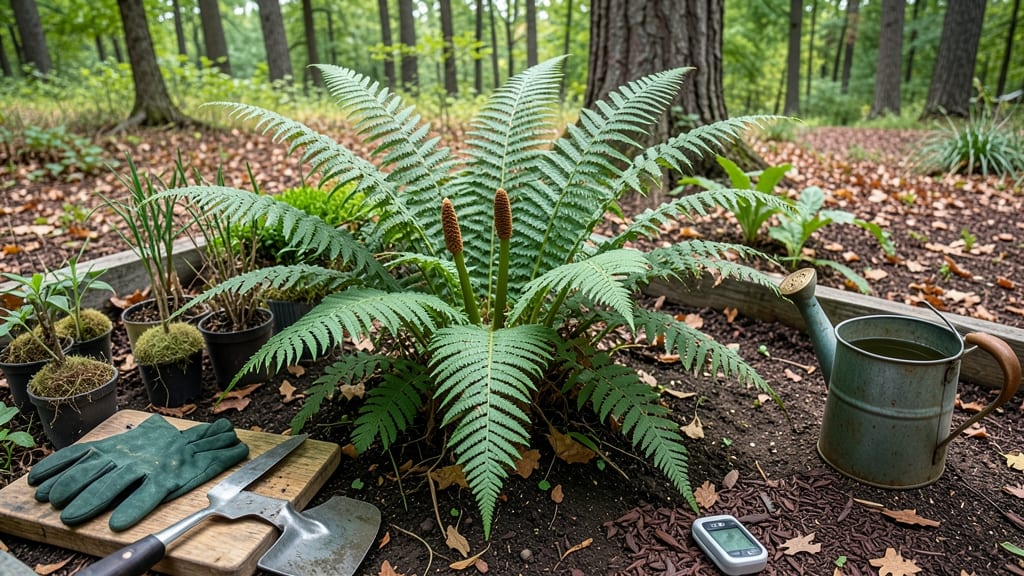
Timing the planting of ferns in Michigan can feel like solving a puzzle—too early and frost will nip them in the bud, too late and they’ll struggle to establish roots before winter.
But here’s the good news: with Michigan’s USDA zones 5b-6b, you’ve got a clear window to get it right, and I’ll show you exactly when to make your move.
Most Michigan gardeners know ferns love shade and moisture, but the right planting month makes all the difference.
Whether you’re tucking them into a woodland garden or a shady corner of your yard, the key is planting after the last frost—typically mid-April—or in early fall for a head start on next year’s growth. Let’s break down the best strategies for your specific zone and soil conditions.
You might be surprised to learn that early spring planting (April-May) is ideal for most fern varieties, but there’s more to it than just the calendar.
We’ll cover how to prep your soil, choose the hardiest fern species for Michigan’s climate, and even when fall planting can work—so your ferns thrive from day one.
Skip the guesswork and plant with confidence. By the end of this guide, you’ll know exactly when to plant, which ferns will flourish in your yard, and how to keep them lush all season long—no more wasted effort or wilted fronds.
Best months to plant ferns in Michigan’s climate zones
Michigan’s USDA zones 5b-6b create unique challenges for fern growers, where late frosts and short growing seasons demand precise timing. The ideal window for planting ferns spans from mid-April to early June, but your exact timing depends on your region’s last frost date and microclimate.
Southern Michigan (zone 6b) can plant 2-3 weeks earlier than northern areas (zone 5b), so always check your local frost data.
Ferns thrive in cool, moist conditions, making spring planting the gold standard. Aim to plant 2-4 weeks after your area’s last frost—this ensures roots establish before summer heat arrives.
For example, in Detroit (zone 6a), this typically means late April to early May, while in Traverse City (zone 5b), wait until mid-May to avoid frost damage.
Soil temperature is another critical factor. Ferns prefer soil temps above 50°F (10°C). Use a soil thermometer to confirm readiness—planting in cold soil slows root growth and invites disease.
In Michigan, this usually aligns with late April to early May, but northern regions may need to wait until June.
While spring is ideal, early fall planting (September) works for hardy varieties like Osmunda cinnamomea (cinnamon fern). This strategy lets roots establish before winter dormancy. However, avoid planting after mid-September, as new growth may not harden off before first frost (mid-October).
| Michigan Region | USDA Zone | Last Frost Date | Ideal Planting Window | Soil Temp Threshold |
|---|---|---|---|---|
| Southern MI (Detroit, Ann Arbor) | 6a-6b | Mid-April | Late April - Early May | 50°F (10°C) |
| Central MI (Lansing, Grand Rapids) | 5b-6a | Early May | Early - Mid-May | 50°F (10°C) |
| Northern MI (Traverse City, Marquette) | 5a-5b | Mid-May | Mid-May - Early June | 55°F (13°C) |
| Upper Peninsula (Houghton, Iron Mountain) | 4b-5a | Late May | Late May - June | 60°F (16°C) |
🌿 Pro Tip: Use row covers if planting early to protect from late frosts.
Container planting offers flexibility for late-season adjustments. If you miss the spring window, potted ferns can be planted as late as June—just ensure they’re in a shaded, sheltered spot to prevent heat stress. However, ground-planted ferns struggle when transplanted after mid-June due to limited root establishment time.
Microclimates play a huge role in Michigan. Urban areas (like Detroit) often warm up faster than rural zones, while wooded or lakeside gardens stay cooler longer.
Observe your garden’s sunlight patterns—ferns in full shade can tolerate slightly later planting, while those in partial shade need earlier timing to avoid summer drought stress.
One common mistake is planting ferns too early in cold, wet soil, which leads to root rot. Always amend soil with organic matter (compost or peat moss) to improve drainage. For heavy clay soils common in Michigan, mix in sand or perlite to create an ideal moist-but-well-draining environment.
Ferns planted in Michigan’s early fall (September) benefit from cooler temps and consistent moisture, reducing transplant shock. Choose hardy varieties like Dryopteris marginalis (marginal wood fern) for this strategy, as they establish roots quickly before winter dormancy.
Avoid fall planting in drought-prone areas, as summer dry spells can stress new transplants.
Remember: <
Best months to plant ferns in Michigan’s climate zones
Michigan’s USDA zones 5b-6b create a delicate balance for fern planting—too early and frost zaps young roots, too late and summer heat stresses them. The ideal window spans mid-April to early May, aligning with soil warming and last frost dates.
Southern Michigan (zone 6b) can push planting to early April, while northern regions (zone 5b) should wait until late April to May.
Ferns thrive in Michigan’s moist, shaded conditions, but timing depends on your microclimate. Urban areas with concrete heat islands may warm faster, while rural zones stay cooler longer. Always check your local last frost date—planting 2-3 weeks after ensures survival.
For example, Detroit’s average last frost is April 15, while Traverse City’s is May 1.
| Zone | Ideal Planting Month | Soil Temp Threshold | Frost Risk |
|---|---|---|---|
| 5b (Northern MI) | Late April - Early May | 50°F+ consistently | High (May frost likely) |
| 6a (Central MI) | Mid-April - Late May | 45°F+ consistently | Moderate (April frost possible) |
| 6b (Southern MI) | Early April - Early June | 40°F+ consistently | Low (rare after April) |
For early spring planting (March-April), use row covers or cold frames to protect tender fronds. Hardier varieties like Osmunda cinnamomea (cinnamon fern) can tolerate cooler soils, while Matteuccia struthiopteris (ostrich fern) prefers warmer temperatures.
Always amend soil with compost to improve moisture retention—Michigan’s clay-heavy soils dry out quickly in summer.
Fall planting is a secondary option in September, giving roots time to establish before winter. Choose smaller nursery plants (1-gallon size) for better transplant success. Avoid planting after mid-September, as new growth won’t harden off before frost.
Mulch heavily with 3-4 inches of shredded bark to insulate roots during Michigan’s freeze-thaw cycles.
Pro tip: Test your soil’s moisture retention before planting. Ferns wilt quickly in dry conditions—aim for soil that stays damp but not soggy. In sandy soils (common in northern MI), mix in peat moss to retain humidity. Southern Michigan’s clay soils benefit from gypsum amendments to prevent compaction.
Remember, shade is non-negotiable—ferns burn in direct sun. Plant near mature trees or on north-facing slopes for natural shade. If your yard lacks shade, use 50% shade cloth during peak summer sun to mimic their native woodland habitats.