
Plants
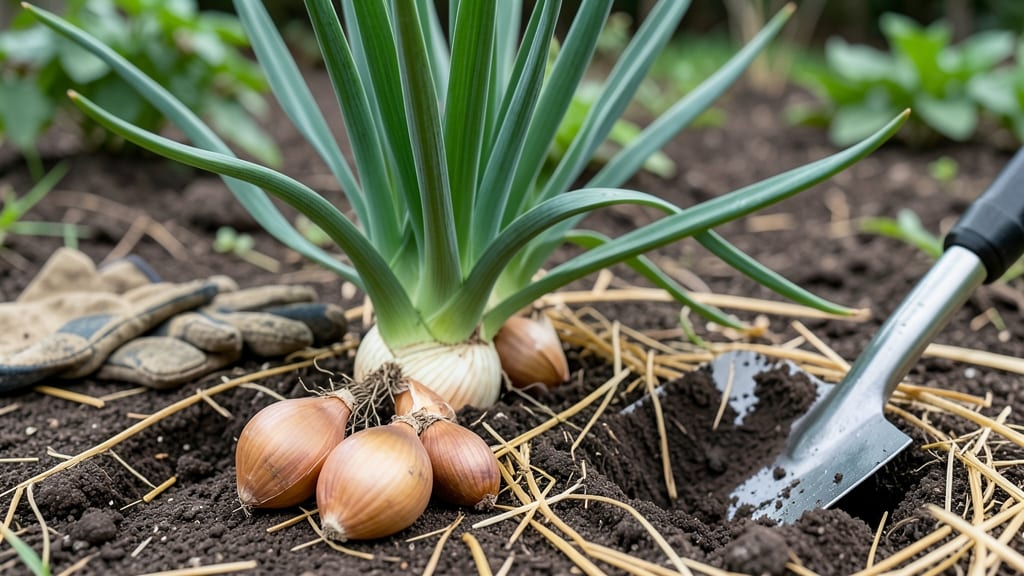
If you’ve ever planted garlic in Tennessee only to watch it bolt or rot before harvest, you’re not alone—but the fix is simpler than you think. Timing is everything when it comes to growing garlic in TN’s 6a-8a zones, where frost dates can shift unpredictably from East to West.
The key to plump, flavorful bulbs lies in planting 🧄 garlic at the right moment, whether you’re growing hardneck or softneck varieties.
Most gardeners in Tennessee make one of two mistakes: planting too early, which triggers premature sprouting, or waiting too long, leaving garlic vulnerable to winter’s chill.
The ideal window? October through November, when soil temperatures dip to 40-50°F—just cold enough to signal the plant to focus on bulb development instead of leaf growth.
This isn’t just guesswork; it’s about reading your local microclimate, from the valleys of Middle Tennessee to the higher elevations of the Appalachians.
In this guide, I’ll break down the exact months to plant based on your USDA zone, plus the critical adjustments you need to make for Tennessee’s variable frost patterns.
Whether you’re a first-time grower or a seasoned gardener, these insights will help you avoid common pitfalls—like planting in warm soil or ignoring mulch—and set you up for a harvest ready by late June or July. Let’s get those cloves in the ground the right way.
You’ll also discover how to use simple soil tests and frost date tools to fine-tune your planting schedule, ensuring your garlic thrives no matter where you live in the state. Ready to turn your garden into a garlic powerhouse? The clock is ticking—literally.
Tennessee garlic planting calendar: hardneck vs softneck months by Zone
Tennessee’s varied climate—from the cool mountain valleys of the Smokies to the warmer lowlands of Middle TN—means garlic planting times vary dramatically. Hardneck varieties (like 'Music' or 'German White') need cold vernalization for bulb formation, while softneck varieties (like 'Silverskin') tolerate milder winters.
Let’s break down the optimal planting windows for Tennessee’s USDA Zones 6a-7b, where first frosts arrive as early as November 15 in the mountains or as late as December 1 in West TN.
For Zone 6a (eastern highlands), aim to plant mid-October to early November—this gives cloves time to root before consistent freezing (below 28°F).
In Zone 7a (Middle TN), you’ve got until late November, but avoid planting after December 1 unless you’re in a protected microclimate. West TN’s Zone 7b gardeners can stretch planting until mid-December, but only if soil temps stay above 40°F.
Here’s your zone-specific planting guide, including the critical 4-6 week window before ground freeze:
| USDA Zone | Hardneck Planting Window | Softneck Planting Window | Soil Temp Threshold | Frost Risk |
|---|---|---|---|---|
| 6a (East TN) | Oct 15–Nov 1 | Oct 1–Nov 15 | 40–50°F | High (Nov 15) |
| 7a (Middle TN) | Oct 30–Nov 15 | Oct 15–Dec 1 | 45–55°F | Moderate (Dec 1) |
| 7b (West TN) | Nov 1–Dec 15 | Oct 30–Jan 1 | 50–60°F | Low (Dec 15) |
🌱 Pro Tip: Use the TN State Climate Office frost maps to adjust your window by county.
If you miss the fall window, don’t despair—softneck garlic can handle spring planting (February–March) in Tennessee, though bulbs will be smaller. Hardnecks, however, won’t form bulbs if planted in spring.
For maximum yield, stick to fall planting and use mulch (straw or leaves) to insulate cloves during winter temperature swings (common in TN’s valley vs ridge microclimates).
For East TN’s cooler zones, prioritize hardneck varieties like 'Chesnok Red'—they thrive in colder winters and produce flavorful scapes.
In West TN’s warmer zones, softnecks like 'Artichoke' excel, storing longer but with milder flavor. Test your soil pH (aim for 6.0–7.0clay-heavy soils often need compost or sand for drainage.
Remember: Clove size matters! Plant the largest cloves (separated from bulbs) for bigger harvests. In Tennessee’s short growing season, every week counts—so mark your calendar and plant early for plump, flavorful garlic by next summer.
Need a backup plan? Some TN gardeners use row covers to extend the fall planting window by 2–3 weeks, protecting cloves from early frosts. Just remove covers before spring sprouting to avoid rotting.
🌿
5 Critical factors that determine your perfect planting window in Tennessee
Timing your garlic planting in Tennessee isn’t just about picking a month—it’s about understanding 5 key variables that make or break your harvest. The first is soil temperature, which must hit 40-50°F for roots to establish before winter dormancy.
Use a soil thermometer to confirm readiness, especially in East Tennessee’s cooler valleys versus West TN’s warmer microclimates.
Next, calculate your local frost-free window using the TN State Climate Office data. For example, Zone 6a (e.g., Knoxville) has a November 15 first frost date, while Zone 7a (e.g., Nashville) holds off until December 1. Plant 4-6 weeks before these dates to avoid pre-sprouting in mild winters.
🌱 Critical Factor #1: Soil Temperature
- ✅ 40-50°F = Ideal root zone
- ❌ Below 40°F = Stunted growth
- 📍 East TN cools faster than West TN
Use a soil thermometer to test before planting.
Your garlic’s variety maturity rate also dictates timing. Hardneck varieties (like ‘Music’ or ‘German White’) mature in 240-300 days, while softnecks (like ‘Silverskin’) take 300+ days. In Tennessee’s 165-day growing season, hardnecks have a slight edge for full bulb development.
Don’t overlook microclimates—a 10°F difference can exist between a mountain slope and a river valley. Observe nearby apple orchards or blueberry patches; their planting schedules often mirror garlic’s needs. For example, Great Smoky Mountains regions may need earlier planting than Memphis.
Finally, use the “6-Week Rule”: Count 6 weeks backward from your average last frost date (March 15 in Zone 6a, February 15 in Zone 7a). This ensures garlic has 6-8 weeks of root growth before winter dormancy.
Pro tip: Mulch heavily (4-6 inches of straw) to protect cloves during TN’s unpredictable thaws.
By mastering these 5 factors, you’ll turn Tennessee’s variable climate into your garlic-growing advantage—no more guesswork, just bigger bulbs every season. 🌱