
Planting
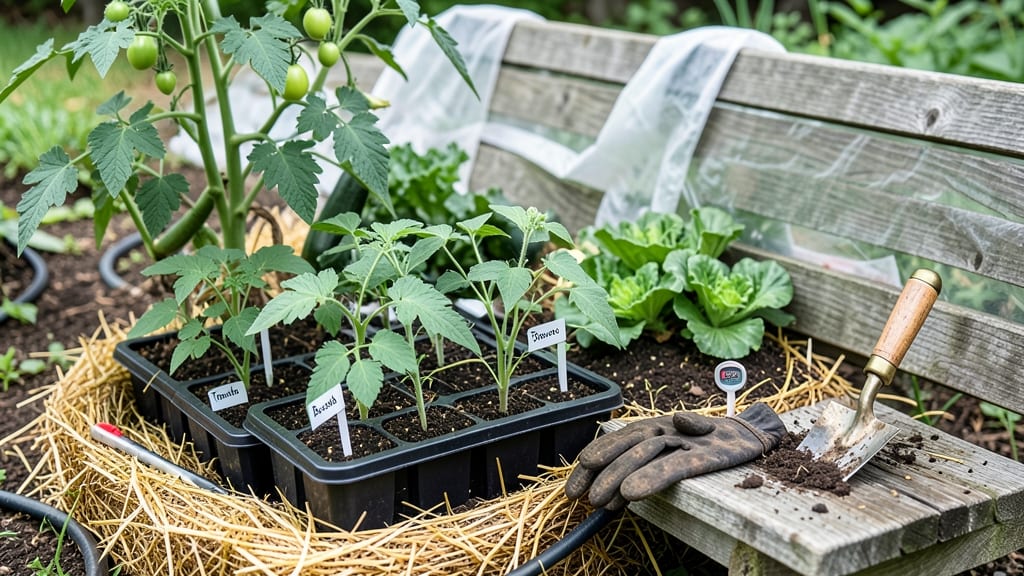
Knowing when to plant your garden in East Tennessee isn’t just about following a calendar—it’s about beating the region’s tricky frost dates and unpredictable spring weather. With USDA Zones 7a and 7b, your timing can make the difference between a thriving harvest and a sad, frost-nipped disappointment. Let’s cut through the guesswork and give you the exact windows to plant for zero-frost risk.
East Tennessee’s last frost typically hovers around mid-April, but don’t let that fool you—microclimates in the Smokies or Knoxville can push it later. Whether you’re sowing cool-season crops like spinach or warm-season favorites like tomatoes, getting the timing right is the key to avoiding those heartbreaking late frosts.
I’ll walk you through the best planting months, soil prep tips, and how to adjust for your specific corner of the state.
You’ll also discover how to extend your growing season with simple tricks like row covers and cold frames, so you can keep harvesting well into fall. No more second-guessing—just a clear, actionable plan tailored to East Tennessee’s climate. Let’s get your garden off to the best possible start.
From frost clocks to soil thermometers, I’ll share the tools and strategies that have helped local gardeners like you avoid costly mistakes. Whether you’re a beginner or a seasoned pro, these insights will help you plant with confidence and enjoy a bountiful harvest all season long.
Critical planting deadlines for East Tennessee’s USDA Zones 7a and 7b
East Tennessee’s USDA Zones 7a and 7b create a delicate balance between early spring warmth and late frost risks. The average last frost date hovers around April 15 in Zone 7a (higher elevations like Great Smoky Mountains) and April 1 in Zone 7b (lower areas like Knoxville).
However, these dates aren’t set in stone—microclimates can shift planting windows by 2-3 weeks.
For cool-season crops like lettuce, spinach, and peas, you’ll want to start seeds 4-6 weeks before your last frost.
In Zone 7a, that means mid-February for early varieties, while Zone 7b gardeners can wait until late February. Warm-season crops such as tomatoes, peppers, and cucumbers need to wait until soil temperatures hit 60°F+, typically mid-April to early May.
Here’s where it gets tricky: Chattanooga’s urban heat island effect can push planting dates 1-2 weeks earlier than rural areas. Meanwhile, high-elevation gardens in the Smokies may need to delay until late May for heat-loving plants. Always check local frost records—your neighbor’s garden might not match your microclimate!
🌱
Understanding these deadlines is just the first step. Heatwaves in May can scorch young seedlings, while false springs (warm spells followed by frost) are notorious in East Tennessee. Tomatoes and peppers planted too early may bolt or rot, while broccoli and cabbage planted too late won’t mature before summer heat sets in.
For high-value crops like sweet corn or green beans, stagger planting every 2 weeks to extend harvests. In Zone 7a, your last chance for warm-season crops is June 15, while Zone 7b can push it to July 1.
After that, you’re gambling with first-frost risks by mid-October.
Don’t forget fall planting! Spinach, kale, and radishes thrive in cool autumn temperatures. In Zone 7b, you can plant until mid-September, while Zone 7a should wrap up by late August. Use row covers to protect tender greens from light frosts.
🌿
To stay on track, mark your calendar with these East Tennessee milestones:
- March 15: Start cool-season seeds indoors
- April 1-15: Last frost window (adjust for microclimates)
- May 1: Safe for warm-season transplants in Zone 7b
- June 15: Final warm-season planting deadline in Zone 7a
- August 15: Begin fall cool-season prep
Pro tip: Use a soil thermometer to confirm 60°F+ soil temps before planting warm-season crops. Clay-heavy soils in areas like Cades Cove stay cooler longer—amend with compost to speed up warming. In urban areas, pavement can create microclimates 5-10°F warmer than rural zones.
☀️
How to adjust planting timing for East Tennessee’s microclimates and soil conditions
East Tennessee’s diverse geography—from the Great Smoky Mountains to the Knoxville basin—creates microclimates that can shift planting windows by 2-3 weeks. Higher elevations like Cades Cove (Zone 6a) often experience frost 10-14 days later than Knoxville (Zone 7a).
Use these strategies to fine-tune your schedule for tomatoes, peppers, and greens.
Start by testing your soil temperature with a thermometer—warm-season crops like tomatoes need soil at 60°F+, while cool-season kale thrives in 45-55°F ranges. Clay-heavy soils (common in Johnson City) drain poorly, so amend with compost or sand to prevent root rot in spring.
🌱 Microclimate Adjustments for East Tennessee
- 🏔️ Mountain Slopes (Zone 6a): Plant 2 weeks later than valley floors. Use row covers for early starts.
- 🏙️ Urban Areas (Zone 7b): Leverage heat islands—start warm-season crops 7-10 days earlier than rural areas.
- 🌳 Shaded Spots: Prioritize partial-shade plants (e.g., lettuce, spinach) and extend fall planting by 3 weeks.
- 💧 Low-Lying Areas: Watch for late frosts—delay planting cucumbers until May 15 in Zone 7a.
Extend your growing season with row covers or cold frames, which can push spring planting 3-4 weeks earlier and fall harvests 2-3 weeks later. For example, radishes can be sown in late February under protection, while broccoli benefits from a late-August start for a winter harvest.
Monitor local weather patterns—Chattanooga’s urban heat island effect can create 5°F warmer microclimates than surrounding areas. Use a frost clock to track 32°F alerts and adjust planting dates accordingly. For peppers, wait until after Memorial Day in Zone 7a to avoid late-spring frosts.
Soil prep is critical: Test pH levels (ideal 6.0-7.0 for most veggies) and add organic matter like leaf mold to improve drainage. In clay-heavy areas, mix in pine bark fines to create a well-aerated growing medium for root crops like carrots.
Pro tip: Direct-sow heat-loving crops (e.g., beans, squash) after Mother’s Day—this avoids transplant shock and aligns with soil warming trends. For cool-season crops, succession plant lettuce every 2 weeks from March to September to ensure a continuous harvest.