
Plants
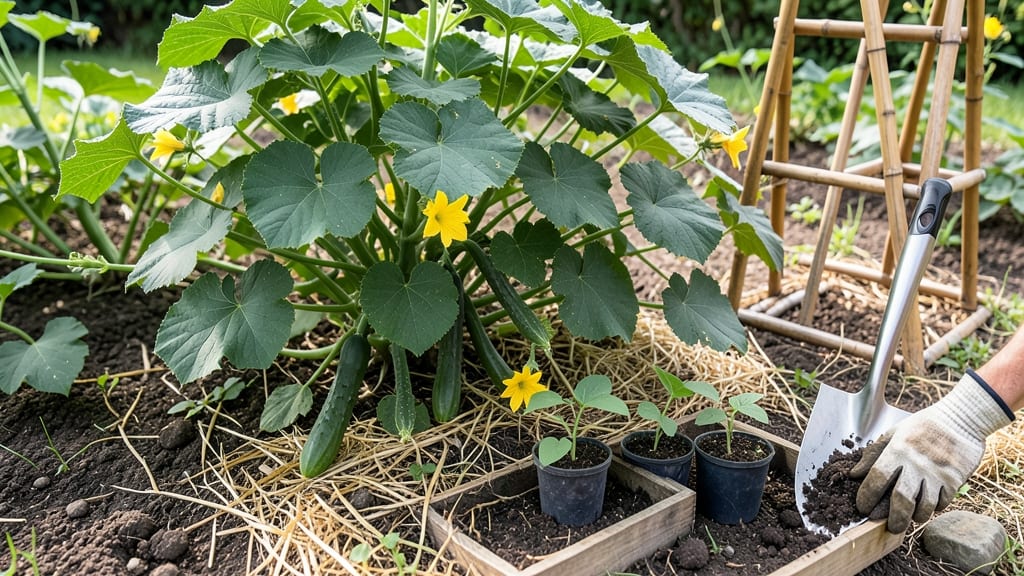
Timing your cucumber planting just right in East Tennessee could mean the difference between a bountiful harvest and a sad, frost-nipped garden. The April 15–May 15 window isn’t just arbitrary—it’s when soil warms to 60°F+ and the last frost risk fades for most of the region.
But here’s the catch: East Tennessee’s microclimates vary wildly, from cooler mountain valleys to warmer plateau areas. Planting too early in the high country risks frost damage, while waiting too long in the lower elevations might squeeze your growing season.
I’ll break down the exact deadlines for your specific zone and share how to stretch your harvest into fall.
You’ll also discover how to prep your soil, choose the right varieties, and avoid common mistakes that kill cucumber yields. Whether you’re a first-time gardener or a seasoned grower, these localized tips will help you grow cucumbers like a pro—no guesswork required.
Ready to turn your garden into a 🥒 powerhouse? Let’s get started with the planting schedule that actually works for East Tennessee’s climate.
East Tennessee’s cucumber planting zones: when to avoid frost risk by region
East Tennessee’s diverse elevations create three distinct microclimates—mountain valleys, foothills, and plateau regions—each with its own last-frost dates and soil warming needs. Planting cucumbers too early in cooler zones risks frost damage, while waiting too long cuts harvest time.
Let’s break down the optimal planting windows for each region to maximize your cucumber yield.
Mountain valleys (USDA Zone 6b, like Johnson City and Bristol) have the latest frost dates, typically around April 15. However, soil temperatures often lag behind air temps, so wait until mid-May for most varieties unless you use black plastic mulch to warm the soil faster.
These areas benefit from early-maturing varieties like ‘Straight Eight’ to beat summer heat.
Foothills (Zone 6b-7a, including Knoxville and Sevierville) offer a 2-week advantage over valleys, with last frosts around April 1. Here, you can start direct-sowing as early as April 15, but soil temps must reach 60°F (use a soil thermometer to confirm).
Transplants can go in 1-2 weeks earlier if hardened off properly.
Plateau regions (Zone 7a-7b, like Crossville and Sweetwater) enjoy the earliest last frosts (March 20-April 1) and warmer soils. This zone is ideal for succession planting—start your first batch April 1 and follow with 2-week intervals until June 1 to stretch harvests into fall.
🌱 East Tennessee Cucumber Planting Comparison
| Region | Last Frost Date | Optimal Planting Window | Soil Temp Threshold | Best Varieties |
|---|---|---|---|---|
| Mountain Valleys | April 15 | May 15–June 1 | 60°F+ | Straight Eight, Marketmore 76 |
| Foothills | April 1 | April 15–May 10 | 55°F+ | Lemon Cucumber, Boston Pickling |
| Plateau Regions | March 20–April 1 | April 1–June 1 | 50°F+ (with mulch) | Suyo Long, Tyria |
💡 Pro Tip: Use row covers to plant 2 weeks earlier in all regions.
For container gardening, start seeds indoors 4-6 weeks before your region’s last frost date. Harden off seedlings by placing them outdoors for 2-3 hours daily in protected spots (like under a patio cover) before transplanting.
This method works especially well for bush varieties like ‘Spacemaster,’ which thrive in 5-gallon pots.
Always check local frost charts from sources like the UT Extension Office or NOAA for real-time updates—East Tennessee’s weather can shift 1-2 weeks earlier or later than averages.
I’ve planted cucumbers in Knoxville as late as May 20 and still gotten a harvest, but yields dropped by 30% compared to earlier plantings.
If you’re unsure about your microclimate, observe nearby cherry blossoms—they bloom around last-frost dates. Once they’re in full bloom, it’s safe to plant heat-tolerant varieties like ‘Armenian’ cucumbers, which handle East Tennessee’s summer humidity better than traditional slicing types.
Remember: Soil temperature matters more than air temperature. Use a soil thermometer to confirm 60°F+ at 6-inch depth before planting. Cold soil delays germination and invites damping-off disease. I’ve lost entire seed batches in Johnson City by planting too early—don’t make the same mistake!
For extended harvests, pair your main planting with succession sowings every 2 weeks until July 1. This ensures fresh cucumbers from June through September, even in shorter growing seasons. Just be prepared to protect seedlings with frost cloth if late springs hit.
How to extend your cucumber growing season in East Tennessee’s short summers
East Tennessee’s summers are short but sweet—if you know how to stretch them. With the right strategies, you can enjoy cucumbers well into September or even October, beating the early frost that typically arrives around mid-October.
The key is combining cold-hardy varieties, protective tools, and smart planting techniques.
Start by choosing heat-tolerant and cold-resistant varieties like ‘Straight Eight’ or ‘Marketmore 76’. These varieties can handle cooler temperatures better than standard types, giving you a longer harvest window. Pair them with succession planting to keep fresh cucumbers coming all summer.
🌱 Extend Your Season with These 5 Proven Strategies
Don’t forget to monitor soil temperatures—cucumbers need soil at least 60°F to germinate. Use a soil thermometer to track warmth, especially in cooler mountain valleys where frost lingers longer.
For late-season plants, focus on harvesting frequently to encourage new growth. If frost threatens, pick all remaining cucumbers—even small ones—and store them in a cool, dark place for up to 2 weeks. With these tricks, you’ll turn East Tennessee’s short summers into a long, productive harvest!
🌿