
Trees
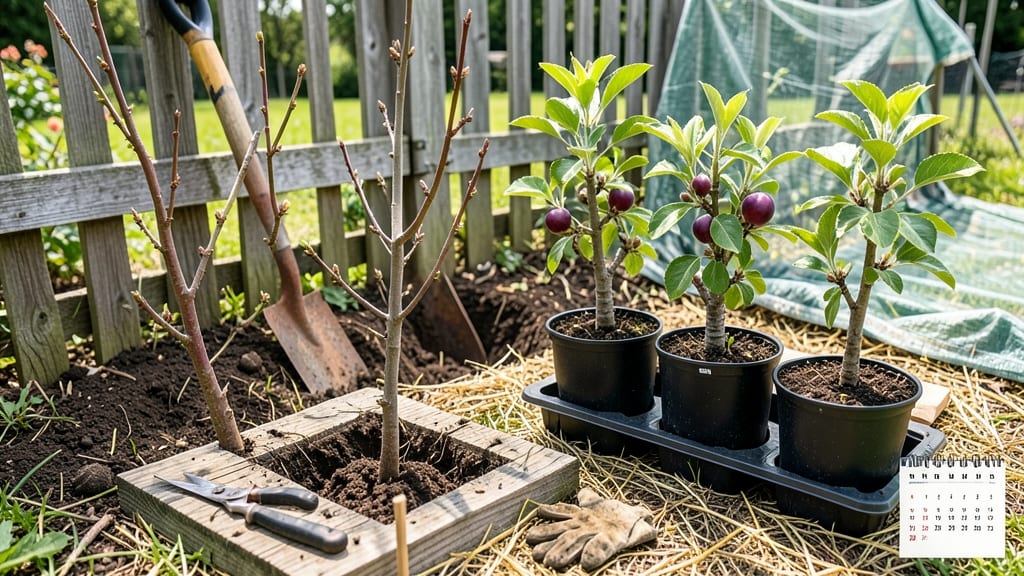
Timing your fruit tree planting in Zone 6 could mean the difference between a thriving orchard and a sad, struggling sapling—because Zone 6’s climate demands precision.
Plant too early, and frost will nip tender roots before they take hold. Too late, and your trees won’t establish strong roots before winter’s chill sets in.
Most gardeners in Zone 6 swear by two key windows: early spring (March-April) or fall (September-October). These months give your 🍎 trees the perfect balance of warm soil and cool air, helping roots grow deep before dormancy. But here’s the catch—bare-root trees and container-grown varieties have slightly different needs.
In this guide, I’ll break down the exact months to plant each type, plus how to prep your soil and adjust for Zone 6’s unpredictable frost dates. Whether you’re dreaming of juicy peaches or crisp apples, getting the timing right is the game-changer for long-term success.
Let’s dive into the best strategies so your fruit trees not only survive but thrive in Zone 6’s climate—no guesswork required.
Ideal planting windows for fruit trees in Zone 6 by species
Zone 6 gardeners have two prime windows to plant fruit trees: early spring and fall, with specific timing that varies by species.
Deciduous trees like apples, peaches, and cherries thrive when planted in March-April or September-October, while evergreens like figs and citrus (less common in Zone 6) prefer late spring to avoid winter damage.
Bare-root trees—most commonly sold—should be planted while dormant, which aligns perfectly with Zone 6’s fall planting window before the ground freezes. Container-grown trees offer more flexibility, allowing planting throughout the growing season as long as soil temperatures stay above 40°F (4°C).
For apples and pears, aim for late March to early April in spring or mid-September to October in fall. Peaches and plums tolerate slightly warmer soil, so April or early May works for spring planting, while September is ideal for fall. Cherries are finicky—plant them in early spring to avoid late-season fungal risks.
🌱
| Fruit Tree Type | Best Planting Months | Soil Temp. Threshold | Key Consideration |
|---|---|---|---|
| Apples & Pears | March-April or Sept-Oct | 40°F (4°C) | Dormant planting avoids transplant shock |
| Peaches & Plums | April-May or Sept | 45°F (7°C) | Warmer soil speeds root growth |
| Cherries | Early March-April | 35°F (2°C) | Avoid fungal diseases from wet springs |
| Figs (Zone 6 Hardy Varieties) | May-June | 50°F (10°C) | Establish roots before summer heat |
Evergreen fruit trees like figs (hardy varieties) and citrus (rare in Zone 6) must wait until late spring to avoid winter kill. These trees need 4-6 weeks of warm soil to establish roots before Zone 6’s first frost (typically mid-October).
If you’re planting container-grown trees, extend your window to late May or early June, but monitor soil moisture closely.
For bare-root trees, fall planting is ideal because cooler temperatures reduce transplant shock, and trees enter dormancy naturally.
Water deeply once a week for the first month after planting, then taper to bi-weekly as winter approaches. Mulch heavily (4-6 inches) with straw or wood chips to insulate roots from freeze-thaw cycles.
If you miss the fall window, early spring is your next best bet—just be ready to water frequently as temperatures rise. Avoid planting in late spring (May-June) unless using container-grown trees, as summer heat can stress newly planted roots before they establish.
🌳
Pro tip: Check your local frost dates—Zone 6’s last frost usually falls around April 15, but microclimates (like near lakes or hills) can shift this by 1-2 weeks.
Use a soil thermometer to confirm temperatures before planting; roots won’t grow well below 40°F (4°C) for most fruit trees.
For stone fruits like peaches and plums, fall planting is riskier due to their susceptibility to silver leaf disease in wet conditions. If you plant in fall, choose a dry, sunny spot and avoid overwatering to prevent fungal issues.
🍎
Zone 6 soil and climate factors that affect planting success
Zone 6’s unpredictable frost dates and cool soil temperatures can make or break your fruit tree’s survival. If you plant too early, a late frost will damage tender roots before they establish. Too late, and your tree won’t develop a strong root system before winter dormancy kicks in.
The last average frost date in most of Zone 6 is around April 15, but this shifts 1-2 weeks earlier in northern areas like Chicago or 1-2 weeks later in southern regions like Nashville. Always check your local frost maps before digging in.
Soil temperature is just as critical—roots need at least 40°F (4°C) to grow actively. In Zone 6, this typically happens by mid-April, but sandy soils warm faster than clay-heavy ones. Use a soil thermometer to confirm before planting.
⚠️ Zone 6 Planting Warning
Planting too early in cold, wet soil causes root rot—a silent killer for young trees. If your soil feels cold to the touch or has standing water, wait at least 2 weeks or use raised beds to warm the soil faster.
✅ Test soil moisture—if it takes more than 10 minutes to dry a handful, delay planting.
Moisture levels also play a role. Zone 6’s spring rains can saturate soil, while summer droughts stress young trees. Aim for well-draining soil with 1-2 inches of organic mulch to retain moisture without suffocating roots.
For fall planting, focus on September-October when soil is still warm but nights cool. Trees planted in late October or November risk winter desiccation—when dry winds and cold air dry out leaves and roots.
Microclimates matter too. South-facing slopes warm up faster in spring, while low-lying areas stay colder longer. If your yard has frost pockets, opt for hardier varieties like Honeycrisp apples or Elberta peaches, which tolerate colder snaps better.