
Trees
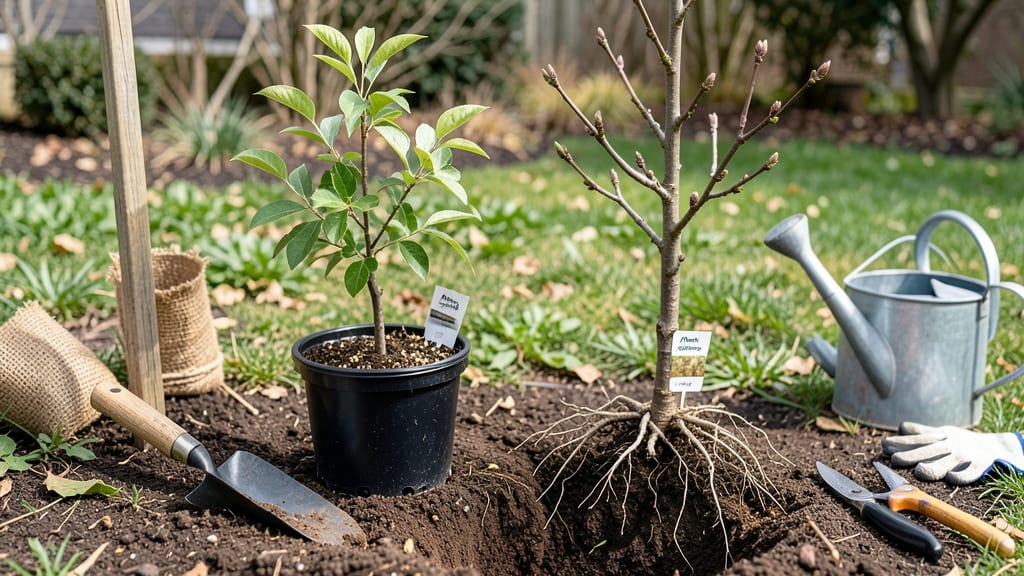
Planting a fruit tree in Kentucky 🍎 isn’t just about grabbing a sapling and digging a hole—it’s about timing it perfectly to beat frost, match chill hours, and set your tree up for a lifetime of harvests.
The wrong window could mean struggling plants or wasted money, while the right timing ensures strong roots and bountiful fruit within years.
Kentucky’s 6a-7b zones demand precision: late winter to early spring (February through April) is your sweet spot for bare-root trees, when the ground is workable but before buds swell.
But here’s the catch—some varieties like peaches need 500+ chill hours, while apples thrive with 800+, and planting too late could leave your tree scrambling to establish before winter’s return.
This guide cuts through the guesswork with a chill-hour calendar tailored to Kentucky’s microclimates, from urban heat islands to rural valleys.
Whether you’re planting a dwarf apple in Louisville or a semi-dwarf peach in Paducah, you’ll learn exactly when to get your tree in the ground—and how to protect it from late frosts that could ruin your first season.
Ready to turn your backyard into an orchard? Let’s dive into the step-by-step schedule that’ll have your fruit tree thriving—and your kitchen stocked—before you know it.
Best planting months for Kentucky fruit trees by chill-hour requirements
Kentucky’s USDA zones 6a-7b create a delicate balance for fruit trees—too early, and late frosts threaten young roots; too late, and trees struggle to establish before winter. The key? Planting during dormancy when soil is workable but air temperatures remain cool.
Most Kentucky fruit trees thrive when planted between February and April, aligning with their chill-hour requirements.
Chill hours—the number of hours below 45°F a tree needs to break dormancy—dictate your planting window. For example, apples and pears typically need 800-1,000 chill hours, while peaches and plums often require 500-700 hours.
Kentucky’s climate delivers these chill hours naturally during winter, making late winter/early spring the ideal time to plant.
Bare-root trees, the most common type sold in Kentucky nurseries, must be planted while still dormant. These trees arrive without soil and are best planted between late February and early April.
Container-grown trees offer more flexibility—you can plant them from late winter through early fall, but avoid extreme heat or cold. For container-grown trees, March and April remain the safest months.
Here’s a chill-hour breakdown for Kentucky’s most popular fruit trees, paired with their ideal planting windows:
| Fruit Tree | Chill Hours Needed | Ideal Planting Window | Notes |
|---|---|---|---|
| Apple | 800-1,000 | Late February - Early April | Best for KY zones 6a-7b; 'Liberty' variety is cold-hardy. |
| Peach | 500-700 | Late February - Early March | Plant early to avoid late frost damage; 'Reliance' is a good choice. |
| Pear | 700-900 | Late February - Early April | 'Kieffer' pear thrives in KY’s climate. |
| Cherry (Sweet) | 600-800 | Late February - Early April | 'Stella' cherry is disease-resistant. |
| Plum | 400-600 | Late February - Early March | 'Arkansas Black' plum is cold-tolerant. |
If you’re planting bare-root trees, do so as soon as possible after purchase—roots dry out quickly. Soak the roots in water or a rooting hormone for 1-2 hours before planting to rehydrate them.
For container-grown trees, water deeply the day before planting to reduce transplant shock. Both types benefit from a 5-gallon bucket of water immediately after planting to settle the soil.
Timing isn’t just about the calendar—it’s also about soil temperature. Aim for soil temps above 40°F but below 60°F to encourage root growth without stressing the tree. Use a soil thermometer to check; most Kentucky regions hit this sweet spot by mid-March.
If you’re in higher elevations (e.g., Eastern KY), wait until late March or early April to avoid frost damage.
Pro tip: Mulch heavily after planting with 3-4 inches of organic mulch (like wood chips or straw) to insulate roots and retain moisture. Keep mulch 6 inches away from the trunk to prevent rot.
This step is critical in Kentucky’s hot summers, where mulch can reduce soil temps by 10°F or more.
Finally, avoid planting in fall unless you’re in southern KY (zone 7b), where milder winters allow for late fall planting. Even then, opt for container-grown trees to minimize frost risk. Most Kentucky gardeners see the best success with spring planting, especially when paired with proper chill-hour matching.
How to adjust planting timing for Kentucky’s microclimates and frost risks
Kentucky’s diverse geography—from the Bluegrass Region to the Pennyrile Plateau—creates microclimates that can shift frost dates by weeks. Urban areas like Louisville often experience heat islands, while river valleys (e.g., Green River) stay cooler longer.
Always check your last frost date—typically March 15 in most of KY, but earlier in southern zones.
For high-elevation areas (e.g., Eastern Kentucky), plant 2-3 weeks later than the general guideline to avoid late frosts. In urban heat islands, young trees may need extra shade during summer’s peak heat to prevent stress. Use local frost maps from the UK Ag Weather Center for precision.
🚨 CRITICAL: Late spring frosts (April-May) can devastate blossoms. Protect young trees with frost cloth or row covers during critical bloom periods. Water tree trunks deeply before frost—the moisture releases heat as it freezes, creating a mini heat shield.
⚠️ Frost Risk Adjustments for Kentucky
- Southern KY (Zone 7b): Plant peaches and nectarines in late February—they need 300-500 chill hours but bloom early.
- Northern KY (Zone 6a): Delay apple and cherry planting until mid-April to avoid late frosts damaging buds.
- Urban Areas: Use black plastic mulch in spring to warm soil 5-10°F faster than bare ground.
🌡️ Pro Tip: Monitor National Weather Service alerts for frost advisories—even a 28°F dip can kill blossoms.
If you’re planting container-grown trees, adjust timing by 1-2 weeks earlier than bare-root trees—their roots establish faster in warmer soil. For dwarf varieties, prioritize well-draining soil to prevent root rot during Kentucky’s humid summers.
In river valleys, like the Ohio River basin, plant stone fruits (peaches, plums) in early March—cooler microclimates delay bud break. For high-tunnel growing, extend the planting window into May by creating a warmer microclimate.
Always mulch heavily (4-6 inches of straw or wood chips) to insulate roots. In sandy soils (common in Western KY), add compost to retain moisture during drought-prone summers. Test soil pH—Kentucky’s clay-heavy soils often need lime for apple and pear trees.
For urban gardeners, choose dwarf varieties like ‘Columnar Apples’—they fit small spaces and recover faster from frost damage. If planting near buildings, face the tree south to maximize sun exposure and offset heat reflection.