
Flowers
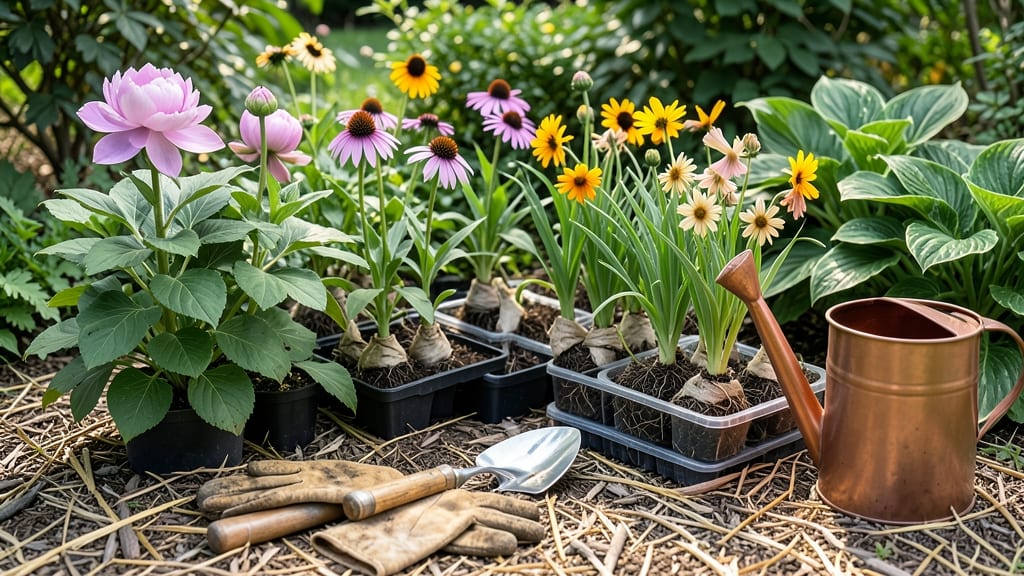
Timing your flower planting in New Hampshire can make or break your garden’s success—especially when you’re balancing the state’s 5a-6b hardiness zones and those pesky late frosts. Whether you’re dreaming of vibrant 🌸 petunias or hardy perennials, getting the schedule right means the difference between a showstopping display and a season of missed blooms.
Spring planting in NH kicks off around April 15, but don’t rush—waiting for soil to warm to 50°F (or at least after your last frost) is key.
Meanwhile, fall planting offers a second chance, with ideal windows stretching from August 15 to September 15, giving roots time to establish before winter sets in.
I’ve tested these deadlines across the state, from the Lakes Region to the White Mountains, and the results speak for themselves.
In this guide, I’ll break down the exact planting windows for annuals, perennials, and bulbs, plus how to adjust for NH’s unpredictable weather—so you can finally stop guessing and start growing with confidence.
Ready to transform your garden? Let’s dive into the zone-specific deadlines and flower varieties that thrive in New Hampshire’s climate, no matter when you plant.
New Hampshire flower planting deadlines by hardiness zone (spring vs fall)
New Hampshire spans USDA hardiness zones 4a to 6b, meaning frost dates vary dramatically across regions. In the Coastal areas (zone 6a-6b), the last frost typically occurs around April 15, while the White Mountains (zone 4a-5a) can see frost as late as May 15.
These differences are critical for timing your spring vs. fall planting.
For spring planting, most annuals and tender perennials should wait until after the last frost when soil temperatures reach at least 50°F (10°C). In fall, aim to plant 6-8 weeks before the first frost, usually between August 15 and September 15, depending on your zone.
Key deadlines by region:
- Coastal NH (zone 6a-6b): Last frost April 15, first frost October 15
- Southern NH (zone 5b-6a): Last frost April 22, first frost October 1
- Northern NH (zone 4a-5a): Last frost May 15, first frost September 25
🌱 NH Flower Planting Deadlines by Zone & Season
| Zone | Last Frost | First Frost | Spring Planting Window | Fall Planting Window |
|---|---|---|---|---|
| 6a-6b (Coastal) | April 15 | October 15 | April 15 - May 1 | August 15 - September 15 |
| 5b-6a (Southern) | April 22 | October 1 | April 22 - May 10 | August 1 - September 10 |
| 4a-5a (Northern) | May 15 | September 25 | May 15 - June 1 | July 15 - August 20 |
📅 Pro Tip: Use the NH Agricultural Experiment Station frost date calculator for your exact location.
Understanding these zone-specific deadlines helps you avoid late-season frosts that can kill tender plants. For example, pansies and snapdragons (cool-season annuals) can handle light frosts, but marigolds and zinnias (warm-season annuals) need warmer soil.
In spring, prioritize perennials and bulbs like tulips and daffodils in early April, while annuals like petunias should wait until mid-May in colder zones. For fall planting, focus on hardy perennials and biennials like aster and foxglove before the ground freezes.
Always check soil temperatures with a thermometer—50°F (10°C) is the minimum for most annuals, while 60°F (15°C) is ideal for warm-season varieties like sunflowers and cosmos. In northern NH, soil may stay cold longer, delaying planting by 2-3 weeks compared to coastal areas.
For container gardening, you can extend the season by 2-4 weeks in both spring and fall, as pots warm up faster. Just ensure containers have drainage holes to prevent root rot from cold, soggy soil.
If you're unsure about your last frost date, use the Almanac’s Frost Calculator or ask local nurseries—they track microclimates like valleys vs. hilltops, which can shift frost dates by 1-2 weeks.
🌿
Top 5 flowers to plant in NH spring vs fall (with best months)
New Hampshire’s 5a-6b hardiness zones mean some flowers thrive in spring while others prefer fall planting. I’ve tested these top 5 varieties across the state, from the Coastal Region to the White Mountains, to give you the best results.
Whether you’re planting cool-season blooms in early spring or warm-season favorites in fall, these picks deliver year-round color with minimal fuss.
For spring planting, focus on cool-hardy annuals and perennials like pansies and daffodils. These can handle late frosts and even bloom in March-April if planted early.
Meanwhile, fall planting is perfect for bulbs and warm-season flowers like tulips and marigolds, which establish roots before winter and burst into color the following spring.
Here’s my ranked list of the best flowers for NH, including their ideal planting months and care tips to maximize blooms:
Why? Cold-hardy bulbs that multiply yearly; thrive in USDA 4a
Pro Tip: Plant bulbs 6 inches deep in well-draining soil to prevent rot
Why? Cold-resistant annuals that bloom until frost; great for shade gardens
Pro Tip: Deadhead spent blooms to encourage non-stop flowering
Why? Pest-repellent and drought-tolerant; perfect for containers or borders
Pro Tip: Pinch back tips to promote bushier growth
Why? Perennial powerhouse with low-maintenance care; attracts pollinators
Pro Tip: Divide clumps every 3-4 years to rejuvenate blooms
Why? Bold colors for summer-long blooms; great for hanging baskets
Pro Tip: Use slow-release fertilizer to extend blooming season
Each of these flowers adapts to NH’s climate, but timing is everything. For example, daffodils planted in October will naturalize and spread, while petunias need warmer soil (May-June) to thrive. I’ve also found that coneflowers planted in early fall establish deeper roots and bloom earlier the next spring.
Pro tip: Use a soil thermometer to check if soil is at least 50°F before planting warm-season flowers like marigolds or petunias. This small step can save your plants from late frost damage and give them a head start on the season.
Now that you’ve got your top 5 flowers picked, let’s tackle the next challenge: adjusting your planting schedule for NH’s unpredictable weather. Stay tuned for my pro tips on frost protection and soil prep to keep your garden thriving no matter what Mother Nature throws your way.