
Flowers
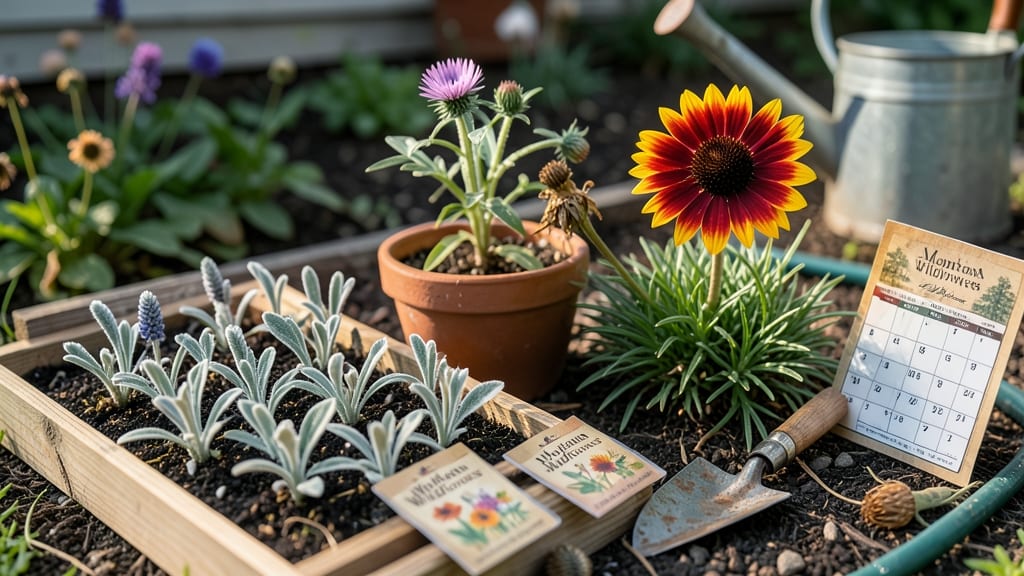
Timing your flowers in Montana planting window could mean the difference between a vibrant garden and a frost-killed disappointment. With USDA Zones 5-6 bringing unpredictable frost dates, knowing when to plant is the key to unlocking your garden's full potential.
Montana's late April to mid-June spring window offers the perfect chance to get your annuals and perennials established before summer heat arrives. But don't overlook fall planting—August to early September can give you a head start on next year's blooms.
The secret lies in understanding your specific microclimate, whether you're in Missoula's cooler highlands or Billings' warmer plains.
I've researched Montana State University's frost data to bring you precise deadlines tailored to your zone. From cool-season pansies 🌸 that thrive in spring's chill to heat-loving zinnias that need summer's warmth, we'll cover exactly when to plant each variety for maximum blooms.
Ready to transform your Montana garden? Let's dive into the exact planting schedules that will help you beat frost, extend your bloom season, and create the showstopping garden you've always wanted. Your perfect timing starts here.
Montana flower planting deadlines by USDA Zone 5-6
Montana’s USDA Zones 5-6 create a tight window for planting flowers, where timing can mean the difference between vibrant blooms and frost damage. In Zone 5 (eastern Montana), last frosts typically arrive May 1–15, while Zone 6 (western Montana) sees them slightly earlier, around April 20–May 10.
First frosts return as early as September 15 in higher elevations, so planning is critical.
High-altitude areas like Missoula (Zone 5) have later frost dates than Billings (Zone 6), so adjust your schedule accordingly. For example, delphiniums thrive in Montana’s cool summers but need to be planted after May 1 to avoid frost.
Meanwhile, zinnias can handle Montana’s heat but must go in the ground by June 1 to bloom before fall.
🌱 Key Rule: Always wait until the soil reaches 50°F (10°C) and the last frost date has passed. Use local Montana State University Extension frost maps to pinpoint your exact deadline.
| Zone & Region | Last Frost Date | Spring Planting Window | Fall Planting Window | Notes |
|---|---|---|---|---|
| Zone 5 (Eastern MT: Billings, Great Falls) | May 1–15 | May 15–June 15 | August 1–September 1 | Longer growing season; prioritize heat-tolerant varieties. |
| Zone 5 (High Altitude: Butte, Dillon) | May 10–25 | May 25–June 10 | July 30–August 15 | Cooler microclimates; extend season with row covers. |
| Zone 6 (Western MT: Missoula, Kalispell) | April 20–May 10 | April 30–May 20 | August 15–September 10 | Earlier start; ideal for cool-season flowers. |
| Zone 6 (Valleys: Bozeman, Helena) | May 1–10 | May 15–June 1 | August 10–September 5 | Warmer valleys; perfect for sun-loving annuals. |
For spring planting, aim to get seeds or transplants in the ground 2–4 weeks after your last frost date. This gives flowers time to establish roots before Montana’s unpredictable late-spring cold snaps.
For example, petunias and geraniums need 60–70 days to bloom, so plant them by May 15 in Zone 5 or May 1 in Zone 6.
Fall planting is equally critical in Montana. Cool-season flowers like pansies and kale can be sown as early as August 1 in Zone 6, while Zone 5 gardeners should wait until August 15. These varieties thrive in Montana’s cool autumn temperatures and often outperform spring plantings.
Pro tip: Use Montana’s first frost dates to calculate your fall planting window. For instance, if your first frost is September 20, plant biennials like foxgloves by August 1 to ensure they establish roots before winter.
In high-altitude areas, push this window even earlier to July 15.
Don’t forget about succession planting—a Montana gardener’s secret weapon. By staggering plantings every 2–3 weeks from May to July, you can enjoy continuous blooms until first frost. For example, plant marigolds in early May, then again in mid-June and early July for a 3-month display.
Finally, account for microclimates. A south-facing slope in Bozeman may warm up 2–3 weeks earlier than a north-facing garden in Great Falls. Observe your yard’s unique conditions for 3–5 years to refine your planting schedule.
With these deadlines, you’ll maximize Montana’s 100–120 frost-free days and enjoy a
Best flowers to plant in Montana by season: cool vs warm-season varieties
Montana’s cool nights and short summers mean choosing the right flowers for each season is key. Cool-season flowers like pansies and snapdragons thrive in spring and fall, while warm-season favorites like marigolds and zinnias need summer’s heat to shine.
Let’s break down the best choices for each season and when to start seeds indoors.
For spring planting, focus on cold-hardy annuals that can handle late frosts. Pansies and violas are top picks—they bloom even in 40°F soil and add vibrant color to early gardens. Sweet peas and lupines also excel in Montana’s USDA Zone 5-6, with lupines even surviving winter for early spring blooms.
🌱
🌸 Seasonal Flower Guide for Montana
-
🌿 COOL-SEASON FLOWERS (Spring/Fall)
- Pansies – Plant March–May or August–September; thrives in 35–75°F
- Snapdragons – Start seeds indoors by March; transplant after last frost
- Sweet Peas – Sow March–April for summer blooms; trellis for support
- Calendula – Direct sow April–May or August; edible petals!
-
☀️ WARM-SEASON FLOWERS (Summer)
- Marigolds – Plant after May 15; repel pests naturally
- Zinnias – Start seeds indoors by April; full sun lovers
- Sunflowers – Direct sow May–June; giant varieties need space
- Cosmos – Sow April–June; drought-tolerant and low-maintenance
-
🌾 PERENNIALS FOR LONG-TERM BLOOMS
- Coneflowers – Plant spring or fall; attracts pollinators
- Black-Eyed Susans – Divide every 3–4 years for best blooms
- Russian Sage – Drought-resistant; plant spring or early fall
- Daylilies – Cold-hardy; plant in spring for summer color
Pro Tip: Start warm-season seeds indoors 6–8 weeks before last frost to jumpstart your garden!
Warm-season flowers need soil temperatures above 60°F to germinate, so wait until mid-May to June for direct sowing. Marigolds and zinnias are my go-to choices—they bloom quickly and handle Montana’s hot afternoons better than many varieties. For a longer bloom season, interplant cool-season and warm-season flowers.
Don’t forget about fall planting! Many flowers, like pansies and kale, thrive in cooler weather. Plant August–early September for spring blooms the following year. Bulbs like tulips and daffodils should go in the ground by October to establish roots before winter.
For indoor seed starting, use grow lights or a sunny windowsill. Begin warm-season seeds in March (e.g., petunias, geraniums) and cool-season seeds in July for fall gardens. Keep seedlings warm (65–75°F) and well-lit until transplanting.
🌻