
Flowers
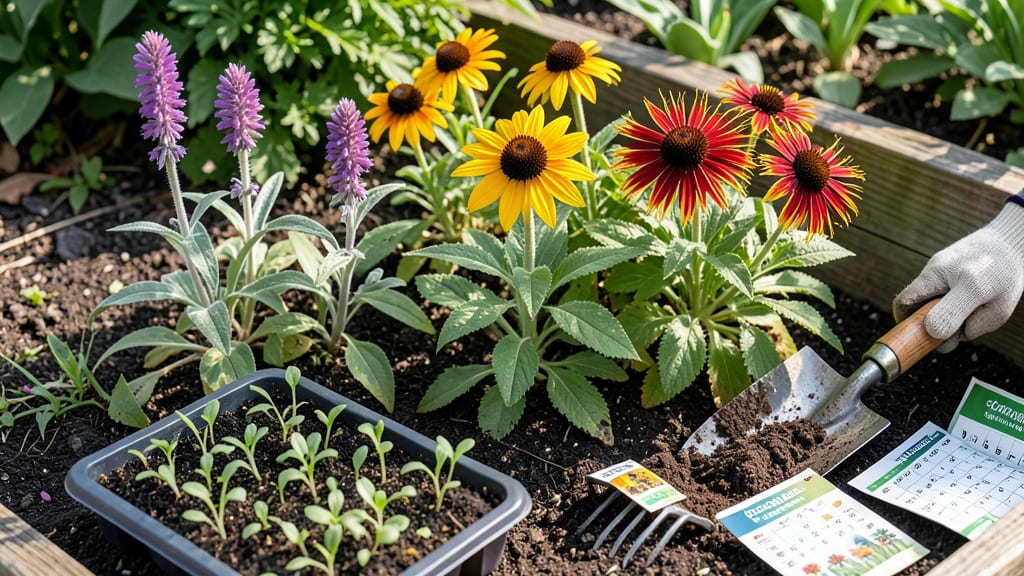
Timing your flower seeds 🌸 planting in Colorado can feel like solving a puzzle—because what works in Denver won’t always suit the Western Slope. One wrong move, and your blooms might never even peek through the soil before frost strikes again.
But here’s the good news: with the right elevation-based strategy, you can turn your garden into a year-round showstopper, from early spring snapdragons to late-summer coneflowers.
Colorado’s USDA Zones 5-7 and dramatic elevation shifts mean frost dates vary wildly—sometimes by weeks just miles apart. That’s why knowing whether you’re in the Front Range’s milder microclimates or the high-desert’s colder pockets is the key to success.
Whether you’re sowing cool-loving pansies in March or heat-tolerant zinnias in August, the right timing ensures your seeds don’t become frost snacks.
Let’s cut through the guesswork and dive into the exact planting windows tailored to your elevation—so you can skip the trial-and-error and start enjoying those vibrant blooms this season.
From soil prep tricks to region-specific adjustments, I’ll cover everything you need to turn your Colorado garden into a floral masterpiece.
Ready to stop second-guessing and start planting with confidence? Grab your gloves, and let’s get those flower seeds 🌸 in the ground at the perfect moment—no frost mishaps required.
Colorado frost dates by elevation: critical planting windows for flower seeds
Colorado’s elevation-driven climate creates a puzzle for gardeners. At 5,000 feet in Denver, last frosts average April 15, but climb to June 1 at 8,000 feet in mountain towns. These differences mean cold-hardy flowers like columbine thrive at high elevations, while heat-loving zinnias need lower-altitude timing.
Understanding your microclimate—whether urban heat islands or windy plains—can shift planting windows by 2-4 weeks.
For spring planting, aim to sow seeds 2-4 weeks before your last frost date. At 4,000 feet, that’s mid-March; at 7,000 feet, wait until late April. Fall planting follows the reverse: sow 6-8 weeks before your first frost.
In Colorado Springs, that’s mid-August, while Grand Junction can extend to early September. These windows ensure roots establish before dormancy.
Here’s how elevation impacts your flower seed timing:
| Elevation Range | Avg. Last Frost | Spring Planting Window | Fall Planting Window | Cold-Hardy Flowers | Heat-Loving Flowers |
|---|---|---|---|---|---|
| 2,000–3,000 ft (Grand Junction) | March 15 | Late February–March | Late August–September 15 | Sweet Alyssum, Snapdragons | Zinnias, Marigolds |
| 3,000–5,000 ft (Denver, Colorado Springs) | April 15 | Mid-March–April 15 | Mid-August–September 1 | Larkspur, Delphinium | Sunflowers, Cosmos |
| 5,000–7,000 ft (Fort Collins, Boulder) | May 1 | Late April–May 1 | Late July–August 15 | Columbine, Penstemon | Blanket Flower, Bee Balm |
| 7,000–10,000 ft (Aspen, Leadville) | June 1 | Late May–June 1 | Late June–July 15 | Alpine Forget-Me-Nots, Yarrow | Limited options; use containers |
Urban gardeners in Denver or Colorado Springs often face microclimates that push frost dates earlier. For example, wind-exposed areas can experience frost 1-2 weeks sooner than sheltered spots. Use a frost calendar from your local Cooperative Extension office—they track real-time data for your ZIP code.
I’ve learned the hard way that sowing too early in Boulder’s valley risks frost damage, while delaying in Fort Collins can mean missed blooms.
For tender annuals like petunias or geraniums, wait until soil temperatures hit 60°F—use a soil thermometer to confirm. In low-elevation desert areas (e.g., Pueblo), soil warms faster, so you can plant 2 weeks earlier than the frost date suggests.
Conversely, high-elevation gardens may need to start seeds indoors by March 1 to avoid short growing seasons.
Colorado’s Western Slope (e.g., Grand Junction) enjoys 100+ frost-free days, while the San Luis Valley sees only 80-90 days. This means succession planting is key for continuous blooms. For example, sow cosmos seeds in March
Best flowers to plant by season in Colorado (with seed-specific timing)
Colorado’s four distinct seasons create perfect conditions for seasonal flower planting, but not all blooms thrive year-round. Cool-season flowers like pansies and snapdragons love early spring, while zinnias and sunflowers beg for summer’s warmth. The trick? Matching each flower’s temperature preferences to Colorado’s shifting climate zones.
Let’s break down the best flowers to plant by season, including direct-sowing tips and soil prep tricks to ensure your seeds germinate like clockwork. Whether you’re a Front Range gardener or a Western Slope resident, these varieties and timelines will keep your garden blooming from spring to frost.
🌸 Pro Tip: Always check your local frost dates (they can vary by 1-2 weeks even within the same city!). Use the Colorado State University Extension frost map as your guide.
| Season | Flower Variety | Planting Time | Direct Sow? | Soil Temp |
|---|---|---|---|---|
| Spring | Pansies, Snapdragons, Sweet Peas | March–April | Yes (or start indoors) | 40–50°F |
| Summer | Zinnias, Sunflowers, Marigolds | May–June (after last frost) | Yes (warm soil needed) | 60–70°F |
| Fall | Cosmos, Calendula, Aster | August–September | Yes (6 weeks before frost) | 50–60°F |
| Perennials | Coneflowers, Columbine, Lavender | March–April or September | Yes (or transplant) | 45–60°F |
For high-elevation gardens (6,000+ ft), like those in the Rocky Mountains, delay spring planting by 2–3 weeks to avoid late frosts. Meanwhile, lowland areas (3,000–5,000 ft), such as the San Luis Valley, can often plant 1–2 weeks earlier thanks to warmer microclimates.
Always loosen soil before sowing seeds—especially in clay-heavy Colorado soil—to improve drainage. Add a 1-inch layer of compost to give seedlings a nutrient boost. And if you’re planting in containers or raised beds, use a lightweight potting mix to prevent compaction.
Ready to pick your perfect blooms? Start with cool-season flowers in early spring, then transition to heat-loving annuals as temperatures rise. With the right timing, your Colorado garden will be a nonstop floral show from March to October!