
Flowers
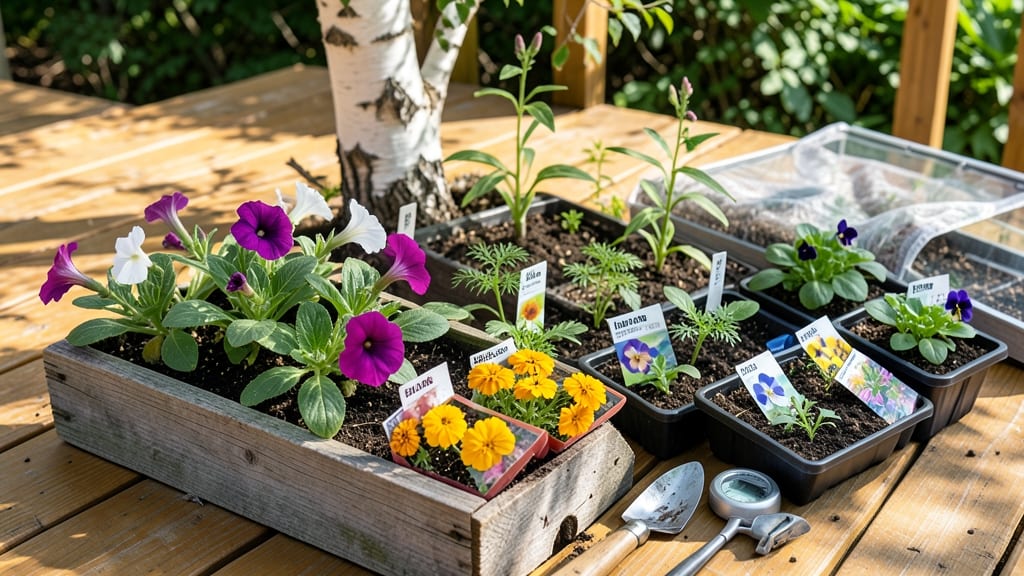
Timing is everything when it comes to planting your 🌸 flower seeds in Wisconsin, and getting it wrong could mean the difference between a breathtaking garden and a sad, frost-bitten disappointment.
Wisconsin's unpredictable climate—especially in USDA Zones 4-5—means you need a strategy that accounts for last frosts as late as mid-May and first frosts creeping in by mid-October.
If you've ever watched your seedlings shrivel under an unexpected frost or struggled to get blooms before summer slips away, you're not alone. The key to success lies in understanding your local frost dates and adjusting your planting schedule accordingly.
Whether you're a seasoned gardener or just starting out, mastering these timing tricks will help you grow vibrant flowers from spring through fall.
In this guide, I'll walk you through the ideal planting windows for Wisconsin's diverse climate zones, from the southern regions of Madison to the northern areas near Green Bay.
You'll discover which flowers thrive best in your area, how to prepare your soil for maximum success, and even how to extend your growing season with simple techniques like row covers.
Ready to transform your garden into a burst of color? Let's dive into the exact steps you need to plant your 🌸 flower seeds at the perfect time—so you can enjoy blooms that last all season long. Your dream garden starts with the right timing, and I’ve got you covered.
Wisconsin flower seed planting calendar by month for zero-frost success
Timing is everything in Wisconsin’s USDA Zones 4-5, where late spring frosts can strike as late as May 15 in northern areas. The key to vibrant blooms lies in planting at the right time—whether you’re sowing cold-hardy annuals in early spring or heat-loving perennials after the last frost.
Below is your month-by-month guide to planting flower seeds for a zero-frost failure garden.
Northern Wisconsin (e.g., Green Bay, Eau Claire) has a shorter growing season, while southern areas (e.g., Milwaukee, Madison) can push planting later. Always check your local last frost date—it’s your garden’s lifeline.
For most of Wisconsin, aim to plant 4-6 weeks before the last frost for spring blooms, and 8-10 weeks before the first frost for fall color.
Here’s how to align your planting with Wisconsin’s climate quirks:
For perennials like coneflowers or black-eyed Susans, sow seeds in late spring (May-June) for established roots before winter. These hardy plants reward patience with years of blooms and can handle Wisconsin’s hot summers and cold winters.
Pro tip: Direct sowing beats transplants for many Wisconsin flowers. Seeds like cosmos and sunflowers germinate quickly in warm soil and thrive without fuss. Just ensure your soil is well-draining—Wisconsin’s clay-heavy soil can drown tender seedlings.
Don’t forget succession planting! Sow fast-growing annuals like zinnias every 2-3 weeks after the last frost to enjoy continuous color through September. This trick works wonders in Wisconsin’s short growing season.
If you’re in northern Wisconsin, err on the side of earlier planting. Areas like Duluth or Superior have shorter frost-free windows, so start seeds indoors in February for a head start.
For container gardening, you can push planting dates slightly later since pots warm up faster. Just move containers to protected spots if a late frost threatens. A simple row cover can save your seedlings from a 50°F night.
Remember: Soil temperature matters more than air temperature. Use a soil thermometer to confirm it’s at least 50°F before sowing. Cold soil slows germination, leaving your seeds vulnerable to rot.
Plan ahead for fall planting too! August is your last chance to sow cool-season flowers like pansies or sweet peas for winter color. These tough bloomers handle light frosts and add cheer to gray Wisconsin days.
How to adjust planting times for Wisconsin’s microclimates and frost risks
Wisconsin’s last frost dates can vary by 2-3 weeks between northern and southern regions, so don’t rely on a one-size-fits-all schedule. For example, Milwaukee’s average last frost is around April 25, while Eau Claire’s can linger until May 10.
Urban areas like Madison often warm up faster than rural spots due to the heat island effect, so adjust your timing accordingly.
Microclimates matter! South-facing slopes warm up 1-2 weeks earlier than shaded valleys, and raised beds heat up faster than in-ground soil. If you’re unsure, use a soil thermometer—plant when soil reaches 50°F (10°C) at least 1 inch deep. This simple tool prevents costly mistakes like frost-damaged seedlings.
🌱⚠️ Callout-Warning: Common Mistakes That Kill Early Seedlings
To beat Wisconsin’s unpredictable frosts, consider row covers or cold frames for early plantings. These can push your planting window 2-3 weeks earlier by trapping heat. For example, cosmos seeds sown under a floating row cover in late April often outperform May plantings without protection.
Raised beds are a game-changer for extending seasons. They warm up 10-14 days faster than in-ground beds and drain better, reducing fungal risks from soggy soil. Fill them with a mix of compost and sandy loam to improve warmth retention.
For cold-hardy annuals like snapdragons or pansies, you can even start seeds indoors 6-8 weeks before your expected last frost.
Succession planting is your secret weapon for nonstop color. In Wisconsin’s short season, sow fast-growing annuals like zinnia or marigold every 2 weeks from May through July. This ensures blooms from June to October, even if early plantings get nipped by frost.
For perennials, divide clumps in early spring or fall to rejuvenate growth and fill gaps.
Don’t forget to monitor local weather forecasts for frost warnings—especially in May or September. A lightweight row cover can protect seedlings down to 28°F (-2°C), while a heavyweight cover extends protection to 20°F (-7°C).
For high-value plants, consider a mini greenhouse or cloche to create a microclimate. With these adjustments, your Wisconsin garden can thrive despite the frosts!