
Plants
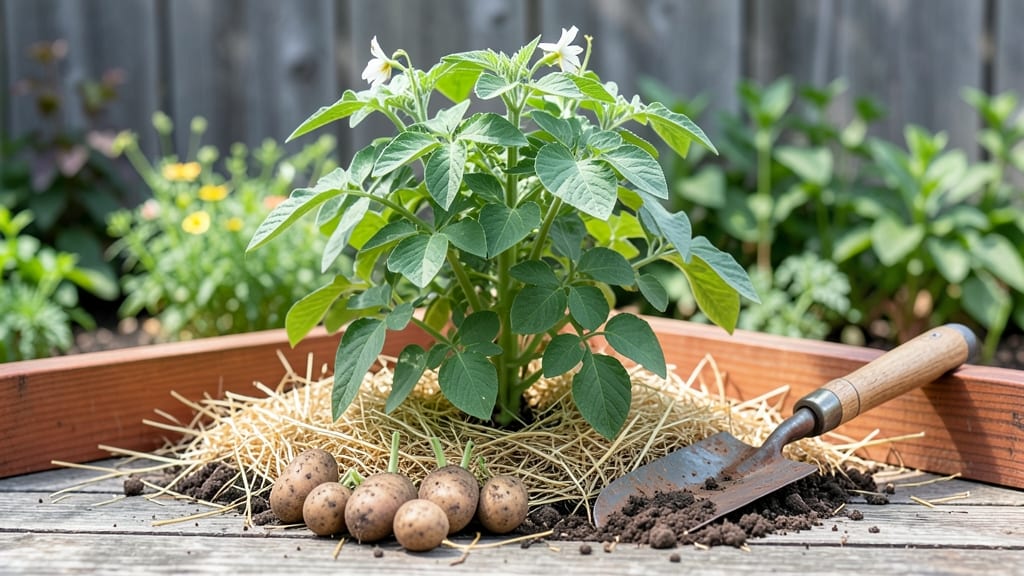
Planting fall potatoes in Oklahoma isn't just about tossing seed potatoes into the dirt—it’s about timing the soil temperature, frost dates, and your variety like a pro. Get it wrong, and you’ll either watch your crop rot before harvest or freeze before maturity.
With Oklahoma’s 7a-7b climate and unpredictable late-summer heat, knowing the perfect window (late August to early September) makes all the difference.
I’ve grown potatoes here for years, and the key is understanding when the soil cools enough to trigger germination (50-60°F) while leaving enough time for tubers to mature before the first frost (November 1).
Skip the guesswork and follow a science-backed schedule tailored to your region—whether you’re in the panhandle or southern Oklahoma.
You’ll learn how to adjust planting dates based on your soil’s readiness, which varieties thrive in Oklahoma’s short fall season, and how to protect your crop from early freezes. No more wasted seed potatoes or disappointing harvests—just a steady supply of homegrown 🥔 through December.
Let’s break down the exact steps, from soil prep to frost-proofing, so you can plant with confidence and enjoy a bumper crop of crisp, flavorful potatoes all winter long.
Oklahoma’s fall potato planting timeline: soil temperature & frost risk
Oklahoma’s fall potato planting success hinges on two critical factors: soil temperature and frost-free days. Potatoes need soil between 50-60°F to germinate, but they also require 90-120 days to mature before the first frost.
In Oklahoma’s USDA zones 7a-7b, this means planting between mid-August and early September for most varieties.
Northern Oklahoma (e.g., Oklahoma City) has earlier frosts (around November 1), while southern regions (e.g., Tulsa) can extend planting until mid-September. Always check your local frost date averages—a hard freeze will ruin tubers still in the ground.
Here’s the golden rule: Plant 4-6 weeks before your area’s first frost date. For example, if frost hits October 31, aim for September 15 planting. This gives potatoes 90 days to mature—just enough time for a frost-free harvest.
Soil temperature is just as critical. Use a soil thermometer to confirm your garden bed is 55°F or warmer before planting. Cold soil delays germination, leaving potatoes vulnerable to disease and pests. In Oklahoma’s clay-heavy soils, warming may take longer, so plan ahead.
🌱 Oklahoma Fall Potato Planting Timeline
| Region | Ideal Planting Window | Soil Temp Requirement | First Frost Date | Harvest Window |
|---|---|---|---|---|
| Northern OK (e.g., OKC) | Mid-August – Late August | 55–60°F | October 25–November 1 | Late October – Early November |
| Central OK (e.g., Stillwater) | Late August – Early September | 55–60°F | November 1–10 | Early November – Mid-November |
| Southern OK (e.g., Tulsa) | Early September – Mid-September | 55–60°F | November 10–20 | Mid-November – Early December |
📅 Pro Tip: Adjust for early freezes by planting cold-hardy varieties like Yukon Gold or Kennebec.
For extended-season potatoes, consider row covers or black plastic mulch to warm soil faster and protect tubers from early frosts. These methods can push your planting window 1-2 weeks later while still ensuring a harvest before hard freezes.
If you’re planting late September, opt for fast-maturing varieties (e.g., Red Norland, 60-70 days to harvest). These can reach maturity even with shorter growing seasons, but monitor weather forecasts closely. A sudden 20°F drop can devastate unprotected crops.
Always test your soil’s drainage before planting. Oklahoma’s clay soils can trap moisture, leading to rotten tubers. Amend with compost or sand to improve aeration. Well-draining soil ensures potatoes develop properly, even in cool fall temperatures.
Finally, mark your calendar for harvest day. Potatoes are ready when foliage yellows and dies back, but tubers must be lifted before hard frost. In Oklahoma, this typically means late October to mid-November, depending on your region.
With the right timing, you’ll enjoy homegrown potatoes long after store-bought spuds disappear from shelves. Happy planting! 🥔
How to adjust planting dates for Oklahoma’s variable weather patterns
Oklahoma’s weather can shift faster than a summer storm, making fall potato planting a high-stakes game of timing. If you plant too early, your tubers might rot from excessive heat or develop scab disease in wet conditions.
Plant too late, and frost could nip your harvest before maturity. The key? Flexibility—and knowing how to adjust planting windows for your specific microclimate.
Most Oklahoma gardeners aim for a late August to early September start, but northern regions (like USDA Zone 7a) may need to push planting to mid-September to avoid early freezes.
Southern areas (like Zone 7b) can sometimes squeeze in a late July planting for a harvest before the first frost. Always check your local frost dates—Oklahoma’s can vary by 1-2 weeks from year to year.
Here’s where cold-hardy varieties save the day. Types like Yukon Gold or Kennebec tolerate cooler soils better than delicate Red Pontiac. If you’re in Zone 7a, these varieties give you a 2-3 week buffer before frost risk spikes.
For extra insurance, use black plastic mulch to warm soil by 5-10°F—critical if temperatures dip below 50°F at planting time.
Traditional vs. Extended-Season Planting
Traditional Planting
- ✅ Pros: Faster harvest, lower disease risk
- ✅ Pros: Works for early-maturing varieties
- ✅ Pros: Less reliance on row covers
- ❌ Cons: Limited to August window
- ❌ Cons: Higher risk of scab disease if rainy
- ❌ Cons: Smaller tubers if frost arrives early
Extended-Season Planting
- ✅ Pros: September-October backup window
- ✅ Pros: Larger tubers with cold-hardy varieties
- ✅ Pros: Uses row covers to delay frost
- ❌ Cons: Needs soil warming (mulch/black plastic)
- ❌ Cons: Slower growth in cooler temps
- ❌ Cons: Requires disease monitoring
Tip: For Zone 7a, try extended-season with Yukon Gold—it thrives in 50-55°F soil and resists frost better than most.
If you’re planting in late August or September, prioritize soil warming. Lay down black plastic mulch 2 weeks before planting to raise soil temps by 10°F. For a September start, pair this with row covers to protect young plants from unexpected chills.
Pro tip: Use frost cloth at night if temps drop below 40°F—it buys you 2-3 extra weeks of growing time.
Don’t overlook backup planting dates. If you miss your ideal window, early September is your last chance for a harvest before November’s first frost. Choose fast-maturing varieties like Red LaSoda (70 days) or Kennebec (80 days) to squeeze in a crop.
Just remember: soil must stay above 50°F for germination—otherwise, you’re wasting seed potatoes.
Adjusting for Oklahoma’s weather isn’t rocket science, but it does require local knowledge and a little flexibility. Start with your frost dates, pick the right variety, and use soil warming tools to stay ahead of the game.
With these tweaks, you’ll harvest golden, frost-free potatoes—no matter what Mother Nature throws your way. 🌱