
Plants
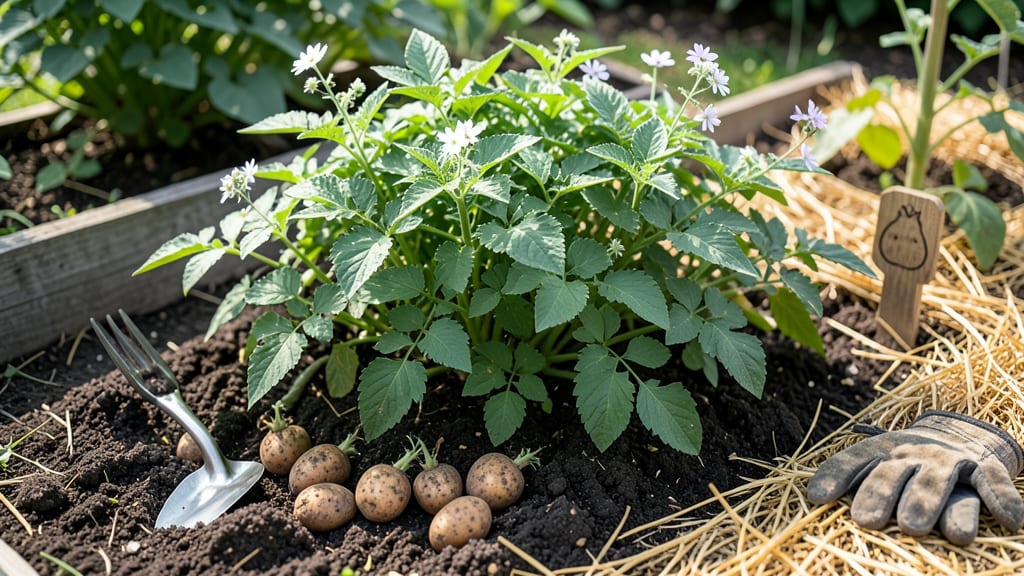
If you’ve ever wondered when to plant fall potatoes in Virginia, timing is the secret ingredient to a bumper crop—miss the window, and frost ruins your harvest before you even taste those crisp, homegrown 🥔.
Virginia’s 7a-8a climate gives you a narrow but critical 4-6 week window between late August and early October, where soil stays warm enough for tubers to form before winter sets in.
Here’s the kicker: planting too early means your potatoes won’t mature before the first frost (usually mid-October), while waiting too long risks stunted growth. The key is balancing soil temperature, daylight hours, and your local frost date—something I’ve learned the hard way after a few too many failed experiments.
Let me show you exactly how to nail the timing for a harvest that lasts from October straight through November.
You’ll discover the exact dates to plant based on your Virginia region, plus soil prep tricks to give your potatoes the head start they need.
Whether you’re growing Yukon Golds for mashed potatoes or Purple Vikings for roasting, this guide cuts through the guesswork so you can enjoy fresh potatoes all season long—no frost damage in sight.
Ready to turn your garden into a potato powerhouse? I’ll walk you through the step-by-step process, from choosing the right varieties to using mulch and row covers to stretch your growing season. Let’s get those spuds in the ground the right way—so you can harvest like a pro by fall.
Virginia’s fall potato planting timeline: exact dates by region
Virginia’s diverse climate—spanning USDA zones 5a through 7b—means your fall potato planting window varies by region. In northern Virginia (zones 5a-6a), like the Shenandoah Valley, aim for late August to early September to avoid early frosts.
Meanwhile, central Virginia (zone 6b-7a), including Richmond, can plant until mid-September, while southeastern Virginia (zones 7b-8a), like Hampton Roads, has a longer window until early October. The key is planting 4-6 weeks before your average first frost date.
Use Virginia Cooperative Extension’s frost-free calculator to pinpoint your exact deadline. For example, in Roanoke (zone 6a), the first frost typically hits October 15, so your last planting date is September 15.
In Norfolk (zone 8a), you’ve got until October 10. Always err on the earlier side—potatoes need 90-120 days to mature, and cooler fall temps slow growth.
Soil temperature is just as critical as air temperature. Potatoes thrive when soil stays above 45°F (7°C). In Virginia, soil temps drop below this threshold in late October, so avoid planting after mid-October unless you’re using row covers or cold frames to extend the season.
Test your soil with a soil thermometer—ideal planting temps are 50-60°F (10-15°C).
| Region | USDA Zone | Planting Window | First Frost Date | Notes |
|---|---|---|---|---|
| Northern VA (Shenandoah Valley) | 5a-6a | Late August - Early September | October 10-15 | Use row covers for late plantings |
| Central VA (Richmond) | 6b-7a | Mid-August - Mid-September | October 20-25 | Best for Yukon Gold varieties |
| Southeastern VA (Norfolk/Hampton Roads) | 7b-8a | Late August - Early October | November 1-10 | Longest growing season; try storage varieties |
For gardeners in higher elevations (e.g., Blue Ridge Mountains), push planting to late July or August to ensure tubers mature before frosts. Conversely, in coastal areas, you can plant up to 2 weeks later thanks to milder microclimates.
Monitor local weather forecasts—unexpected cold snaps can derail your harvest if you plant too late.
Adjust your planting schedule based on potato maturity days. Early varieties (60-90 days), like ‘Red Norland,’ are best for late August plantings, while late varieties (100-120 days), like ‘Kennebec,’ need the full September window.
Mix varieties to stagger harvests—plant half early and half late for a continuous supply of fresh potatoes.
If you miss the ideal window, don’t despair. Use black plastic mulch or straw mulch to warm soil and extend the season by 2-3 weeks. For very late plantings, choose cold-hardy varieties like ‘Purple Viking’ or ‘German Butterball,’ which tolerate cooler soils.
Just be prepared for smaller yields if frosts arrive early.
Pro tip: Mark your planting dates on a garden calendar and track soil temps weekly. In Virginia, soil temps can drop 10°F faster than air temps in fall, so stay vigilant.
Aim to harvest before consistent nighttime temps below 40°F (4°C), as this stresses potato plants and reduces tuber quality.
Remember, fall potatoes in Virginia aren’t just about timing—they’re about strategy. By aligning your planting with your local zone, soil conditions, and variety needs, you’ll transform your garden into a spud-producing powerhouse well into winter. 🥔
How to time your fall potato planting for maximum yield in Virginia
Timing your fall potato planting in Virginia isn’t just about avoiding frost—it’s about giving your tubers the perfect 60-90 days to mature before winter sets in. The key is planting 4-6 weeks before your first frost date, which typically lands between late August and early October across the state.
For example, in USDA Zone 7a (like Roanoke), aim for mid-September, while Zone 8a (Richmond) can stretch planting until early October.
Start by checking your local frost dates—Virginia’s first frost can vary by 1-2 weeks depending on elevation and microclimates. Use the National Weather Service or your local Cooperative Extension for precise data.
Pro tip: Plant early varieties (like ‘Yukon Gold’) in late August for a harvest before Thanksgiving, or go for storage types (like ‘Kennebec’) in early September to enjoy spuds through winter.