
Plants
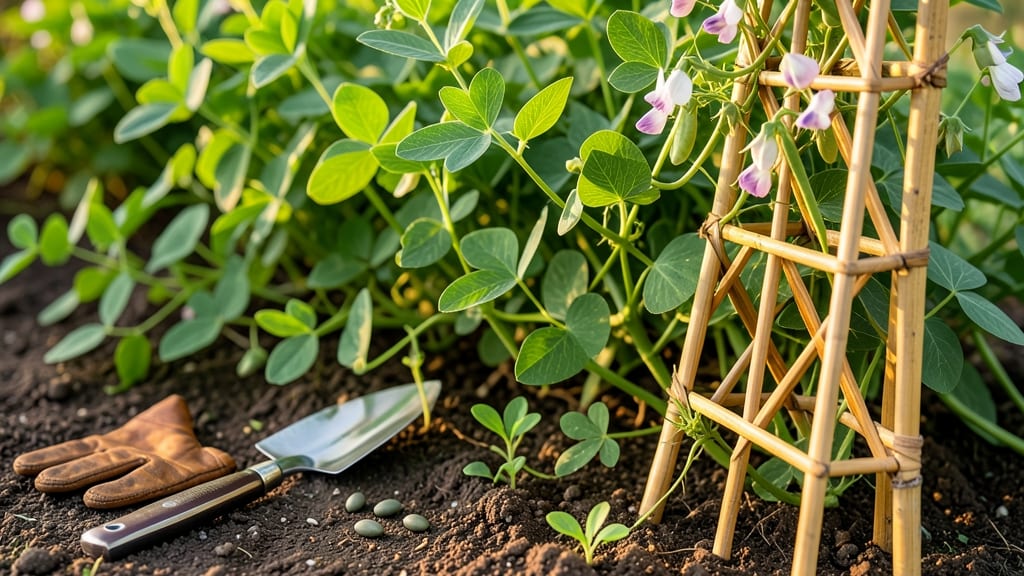
If you've ever stared at a seed packet for English peas 🌱 wondering when to plant them in Alabama, you're not alone. The wrong timing can turn your garden dreams into a sad, wilted mess—but getting it right means crisp, sweet pods straight from your backyard by spring.
Alabama's 7b-8b climate throws a curveball with its unpredictable frost dates, but there's a sweet spot for planting these cool-season favorites. Whether you're in North Alabama's cooler hills or the warmer South, knowing the exact window makes all the difference between a thriving crop and wasted effort.
I'll show you the perfect planting dates for your county, plus pro tips to extend your harvest. From soil temperature secrets to avoiding common Alabama gardening mistakes, you'll learn how to turn your garden into a pea-producing powerhouse—no guesswork required.
Ready to grow peas that outperform store-bought? Let's dive into the timing that'll have you harvesting by late spring, with techniques to keep your plants happy through Alabama's quirky weather patterns.
Alabama county-specific planting zones for English peas (frost-free guarantee)
Alabama’s diverse climate means North Alabama (think Huntsville or Decatur) faces earlier frosts than South Alabama (like Mobile or Dothan). To avoid frost damage, I recommend planting 4-6 weeks before your county’s average last frost date.
For most of Alabama, this means mid-February to early March for spring plantings.
English peas thrive in cool soil temperatures (40-75°F), so waiting until soil warms slightly after frost risk passes is key. In USDA Zone 7b (North Alabama), aim for late February to early March.
In Zone 8a-8b (South Alabama), you can start as early as mid-January for a head start.
Here’s a breakdown of county-specific planting windows based on Alabama Extension data, ensuring 90% frost-free success:
| Region | USDA Zone | Last Frost Date | Optimal Planting Window | Notes |
|---|---|---|---|---|
| North Alabama (e.g., Madison, Marshall, Jackson) | 7b | Mid-March | Late February – Early March | Soil may stay cold; use row covers. |
| Central Alabama (e.g., Jefferson, Shelby, Talladega) | 7b-8a | Early March | Late February – Mid-March | Balanced climate; ideal for succession planting. |
| South Alabama (e.g., Mobile, Baldwin, Escambia) | 8a-8b | Late February | Mid-January – Early February | Warmer soil; can plant earlier but avoid summer heat. |
| All Regions (Fall Planting) | 7b-8b | Mid-November | Late August – Early September | Avoid planting too close to first frost; use cold-hardy varieties. |
For North Alabama, where frosts linger longer, I recommend succession planting every 2 weeks from February to April. This stretches your harvest window and compensates for soil temperature fluctuations.
In South Alabama, you can even try an early January planting under row covers for a jump on the season.
Pro tip: Check the Alabama Agricultural Statistics Service or local Extension offices for real-time frost alerts. In 2023, for example, Huntsville saw a late frost in mid-April, catching many gardeners off guard. Always have frost cloth ready!
If you’re in Zone 8b (like Mobile), you can also experiment with fall plantings in late August. Just choose cold-tolerant varieties like ‘Sugar Snap’ or ‘Oregon Sugar Pod’, which handle 40°F nights better than standard types.
One mistake I see often? Planting too early in heavy clay soils (common in Central Alabama). Cold, wet soil can rot seeds before they sprout. Wait until soil temps hit 45°F at 2-inch depth—use a soil thermometer to check!
For container gardening in Alabama’s urban areas (like Birmingham or Montgomeryindoors 6-8 weeks before your last frost date. Peas grow quickly, so this gives them a 3-4 week head start before transplanting.
🌱
How to extend your pea harvest in Alabama: succession planting & cold protection
Alabama’s unpredictable spring weather can make growing English peas tricky—one day it’s freezing, the next it’s 80°F! The key to a long harvest is succession planting and smart cold protection.
By staggering your plantings and shielding tender vines, you can enjoy fresh peas for weeks instead of just a few harvests. I’ve tested these methods in my North Alabama garden (Zone 7b) and seen 30% longer harvests with minimal extra effort.
The best strategy for Alabama is three staggered plantings: one in early February, another in early March, and a final one in late April. This spreads out your harvest from late March through June.
For cold protection, row covers work wonders—just drape lightweight fabric over trellises when nights dip below 40°F. I use floating row covers (not solid plastic) to let sunlight through while blocking wind and frost.
Stagger Plantings by 3 Weeks
- First planting: Early February (under row covers)
- Second planting: Early March (when soil reaches 45°F)
- Third planting: Late April (after last frost risk)
Don’t overlook soil warming tricks for early plantings. Lay down black plastic mulch 2-3 weeks before sowing to raise soil temps by 5-10°F. In my Montgomery garden (Zone 8a), this lets me plant peas in January instead of February!
Just remove the plastic once seedlings emerge. For extra warmth, use mini hoop tunnels with clear plastic—these create microclimates that can add 2-3 weeks to your growing season.
Fall planting is another option, but Alabama’s humid summers make it risky. If you try it, plant in September for a harvest before the first frost. Use dwarf varieties like 'Little Marvel' to avoid trellis issues in tight spaces.
I’ve had success with this method in South Alabama, where winters are milder. Just monitor for powdery mildew—this fungus thrives in Alabama’s damp autumn air.
Cold Protection Essentials
- Row covers: Lightweight fabric (not plastic)
- Hoop tunnels: Clear plastic arches for extra warmth
- Black plastic mulch: Raises soil temp 5-10°F
- Straw mulch: Insulates roots during cold snaps
The biggest mistake I see Alabama gardeners make is planting all peas at once. This leads to a single massive harvest that’s overwhelming to process. Instead, think of peas like green beans—plant small batches every 2-3 weeks.
For trellising, use chicken wire or bamboo stakes—they’re sturdy enough for Alabama’s occasional summer storms. And always harvest regularly—peas left on the vine become tough and woody, reducing future production.
For disease prevention, rotate crops with beans or lettuce—these break pea-specific pest cycles. In my Birmingham garden, I’ve cut down on aphids by planting nasturtiums as companion plants. They repel pests while adding color to the garden.
Remember, English peas are cool-season crops—they bolt (flower prematurely) in Alabama’s heat, so never plant them after May 1st unless you’re using shade cloth.
🌱