
Companion Plants
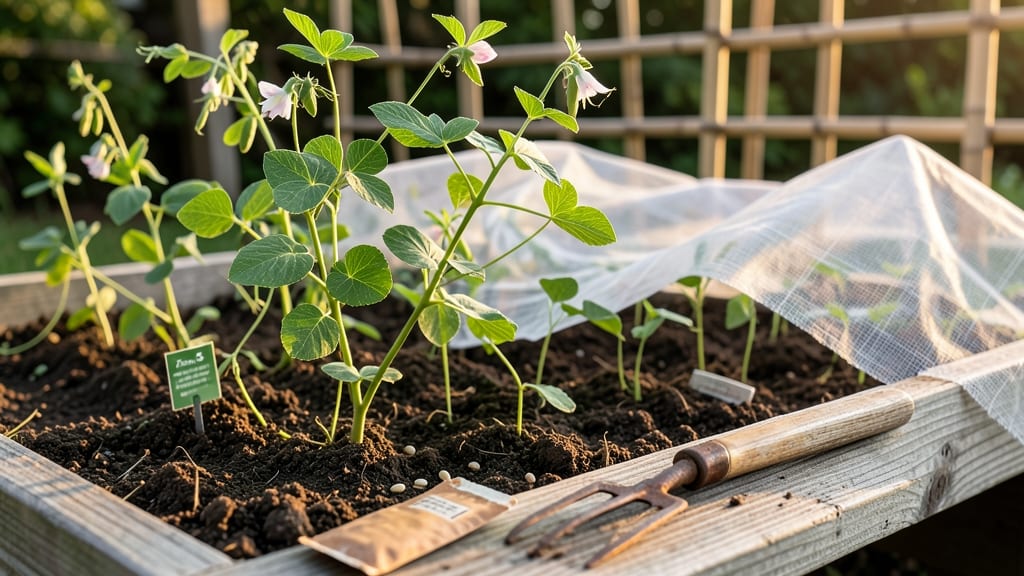
If you're wondering "when can I plant peas in Zone 5", timing is the secret to avoiding frost-killed seedlings and enjoying a harvest of sweet, crisp pods by summer.
Zone 5’s unpredictable frosts make this the difference between success and disappointment—especially when you’ve got 60 days to go from seed to harvest.
Peas are one of the first crops you can plant in spring, but rushing too early can leave your 🌱 peas struggling in cold soil. The key is planting 4-6 weeks before your last frost date—typically between March and early April—when soil temperatures hit 40°F or warmer.
This gives them enough time to establish roots before summer heat arrives.
Don’t overlook late summer as another chance to grow peas! Planting in August lets you sneak in a second crop before frost hits in October. The trick is choosing cold-hardy varieties like Sugar Snap or Lincoln, which thrive in cooler weather and give you a second harvest window.
Ready to avoid common mistakes? I’ll walk you through exact dates, soil prep, and how to protect your peas from Zone 5’s late frosts—so you can go from seed to table with confidence. Let’s get those peas in the ground the right way!
Zone 5 pea planting dates: exact timing for frost-free growth
Peas are one of the first crops you can plant in Zone 5, but timing is critical to avoid frost damage. The ideal window is 4-6 weeks before your last frost date, typically between late March and early April.
This gives them time to germinate and grow before temperatures rise too much. For a fall harvest, aim for late summer (August), allowing pods to mature before the first frost in mid-October.
In Zone 5, soil temperatures must reach 40°F (4°C) for peas to germinate properly. Use a soil thermometer to check—if it’s colder, wait a few days or use black plastic mulch to warm the soil faster. Cold, wet soil can delay germination or cause rot, so patience is key.
Your last frost date is the magic number. In most of Zone 5, this falls around mid-April, but it varies by location. Check your local USDA Plant Hardiness Zone map or consult a frost calendar for your county.
For example, in Chicago (Zone 5b), peas should go in by March 20th, while in Boston (Zone 6a), you can wait until April 5th.
Peas are cold-hardy and can even tolerate light frosts, but they won’t germinate in freezing soil. If a late frost hits after planting, cover seedlings with row fabric or a cloche to protect them.
This is especially important if you’re planting early varieties like ‘Sugar Snap’ or ‘Green Arrow’, which are sensitive to cold snaps.
For a continuous harvest, stagger plantings every 2-3 weeks from late March through early May. This ensures fresh pods all season long. In fall, a single planting in August should yield enough peas before frost sets in.
Here’s a quick reference for Zone 5 pea planting based on your local frost dates:
If you’re unsure about your last frost date, use the 50% chance rule: Plant when there’s a 50% chance of no frost in the next 10 days.
This balances risk and reward. For example, if your average last frost is April 15th, planting by March 25th gives your peas a buffer.
Another pro tip: Direct-sow peas rather than starting indoors. Pea seeds germinate best in cool soil, and transplanting can shock their delicate roots. Drop seeds 1 inch deep and 2-3 inches apart in rows spaced 12-18 inches apart.
If you’re using trellises, plant seeds closer together (1 inch apart) to save space.
Watch for soil moisture after planting—keep it consistently damp (not soggy) until germination, which takes 7-14 days in ideal conditions. Once seedlings emerge, reduce watering slightly to prevent fungal diseases like powdery mildew, which thrives in wet foliage.
Remember, Zone 5’s short growing season means every day counts. By planting peas at the right time and protecting them from late frosts, you’ll enjoy a bountiful harvest of sweet, fresh pods—no sad, icy memories here! 🌱
Zone 5 pea planting dates: exact timing for frost-free growth
Peas are one of the first cool-season crops you can plant in Zone 5, but timing is critical to avoid frost damage. The ideal window is 4-6 weeks before your last frost date, which typically falls between March 15 and April 15 for most Zone 5 regions.
For a fall harvest, aim for late summer (August), giving plants time to mature before the first frost in mid-October.
To pinpoint your exact dates, check your local frost calendar—most Zone 5 gardeners use USDA Zone 5a/5b averages. For example, in Chicago (Zone 5b), the last frost is usually April 15, so planting peas by March 15 ensures a head start.
In Pittsburgh (Zone 5a), the window shifts slightly earlier, around March 1-15.
Peas are cold-hardy and can tolerate light frosts, but soil temperatures matter too. Wait until the ground reaches 40°F (4°C)—a soil thermometer helps here. If you plant too early, seeds may rot in cold, wet soil.
If too late, your harvest will suffer from short daylight hours and cooler temps slowing growth.
| Planting Window | Soil Temp | Frost Risk | Harvest Time |
|---|---|---|---|
| Early Spring (March 15-April 15) | 40°F (4°C) | Low (light frost tolerance) | June-July |
| Late Summer (August) | 50°F (10°C) | Moderate (avoid late frosts) | September-October |
🌱 Note: Adjust dates 1-2 weeks earlier for Zone 5a or later for Zone 5b.
For a continuous harvest, try succession planting every 2 weeks from March to May. This works especially well with sugar snap peas or snow peas, which mature faster (55-60 days) than shelling peas (60-70 days).
If your spring is unpredictable, opt for cold-tolerant varieties like 'Lincoln' or 'Green Arrow', which handle 28°F (-2°C) temps better than most.
Protect young seedlings from late frosts with row covers or cloches if temps drop below 32°F (0°C). In fall, use black plastic mulch to warm soil and extend the season.
Always plant peas in well-draining soil—they hate soggy roots—and consider trellising to save space and improve airflow, reducing disease risk.
Missed the spring window? Don’t panic! Peas can also grow in fall, but rush them by choosing early-maturing varieties and planting by August 15.
Just be ready to harvest before the first frost—peas won’t survive freezing, but pods picked at the right stage (firm, plump, and 2-3 inches long) will keep in the fridge for 5-7 days or freeze beautifully for later.