
Plants
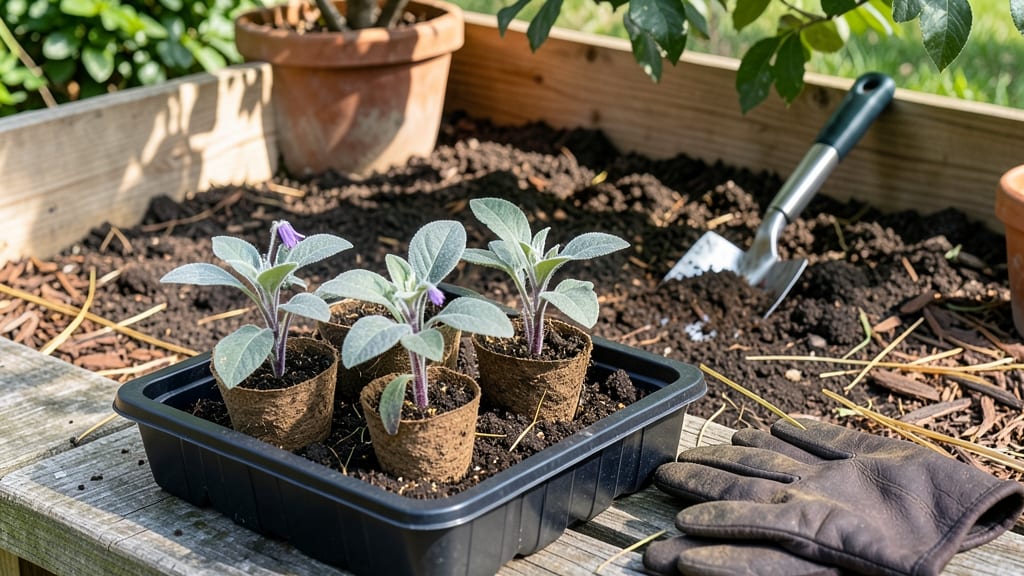
If you're dreaming of a bountiful harvest of 🍆 eggplant in North Carolina, timing your planting is the single most important move you can make. Planting too early risks frost damage, while waiting too long might cut your harvest short—both are mistakes I’ve seen even experienced gardeners make.
North Carolina’s 7a-8b zones create a delicate balance between warm soil and frost-free nights, and eggplants need both to thrive. The ideal window runs from mid-April to early June, but your exact deadline depends on whether you’re in Raleigh, Charlotte, or the coastal plains.
Let’s break down the exact heat zone deadlines so you can avoid common pitfalls.
You’ll discover how to check soil temperatures, when to transplant seedlings for maximum yield, and how to extend your growing season with simple tricks. Whether you’re a first-time gardener or a seasoned pro, these insights will help you grow healthier, more productive eggplants—without the guesswork.
Ready to turn your garden into a summer eggplant powerhouse? Let’s get started with the perfect planting schedule tailored for NC’s unique climate challenges.
NC heat zones and eggplant planting deadlines by last frost date
North Carolina’s diverse climate—from the mountains of Asheville to the coastal plains of Wilmington—creates distinct heat zones (6-8) that drastically affect when you can plant eggplants. The last frost date is your golden rule: eggplants hate cold soil and will die if planted too early.
Let’s break down the exact windows for your region.
For most of NC, the safe planting window runs from mid-April to early June, but coastal areas can start 2-3 weeks earlier. Inland zones like Raleigh and Charlotte need to wait until late April or May to avoid frost damage.
Always check your local USDA zone and historical frost data—your county extension office has precise records.
🌱 NC Eggplant Planting Deadlines by Region
| Region | USDA Zone | Avg. Last Frost | Safe Planting Window | Transplant Ready |
|---|---|---|---|---|
| Coastal (Wilmington, Morehead City) | 8a-8b | March 15 | March 20 - April 30 | April 15 - May 15 |
| Piedmont (Raleigh, Greensboro) | 7a-7b | April 1 | April 15 - May 31 | May 1 - June 1 |
| Charlotte Metro | 7b-8a | March 25 | April 1 - May 15 | April 15 - May 1 |
| Mountains (Asheville, Boone) | 6b-7a | April 15 | May 1 - June 15 | May 15 - June 1 |
⚠️ Pro Tip: Soil temperature must reach at least 60°F before planting—use a soil thermometer to confirm!
If you’re direct sowing seeds (not recommended for beginners), start 4-6 weeks before your last frost date. But most NC gardeners transplant seedlings for faster results. Buy 6-week-old seedlings from a local nursery and harden them off for 7-10 days before planting.
For Zone 7 (Piedmont), like Raleigh, aim for May 1 as your cutoff—any later, and your plants may struggle to mature before fall frost. In Zone 8 (coastal), you can push it to June 1 for a late harvest.
Always factor in your variety’s days to maturity: early varieties (50-60 days) give you flexibility, while heirlooms (80+ days) need early starts.
One common mistake? Assuming air temperature = soil temperature. Eggplants need warm soil—even if daytime highs are 70°F, nighttime dips or shallow soil can keep roots cold.
Use black plastic mulch or straw covers to warm soil faster. I’ve seen gardeners in Zone 7 plant 2 weeks early with mulch and avoid frost damage entirely.
Remember: Eggplants are heat lovers. They thrive in 75-90°F days and 60°F nights. If your summer hits 95°F+, provide afternoon shade to prevent stress. Now that you’ve got your planting deadlines, let’s talk about extending your season with cold frames and row covers—coming next!
NC heat zones and eggplant planting deadlines by last frost date
North Carolina’s USDA zones 7a-8b create distinct planting windows for eggplants, and missing these deadlines can mean the difference between a thriving harvest and wasted effort.
In Zone 7a (like Asheville), your last frost typically arrives around April 15, while Zone 8b (coastal areas) sees frost-free conditions by March 1. These dates aren’t just numbers—they’re your garden’s lifeline.
For direct sowing, wait until soil temperatures hit 60°F or warmer (use a soil thermometer to check). Transplants, however, can go in 2-3 weeks earlier since they’re already hardened off.
The key is balancing warmth with frost risk—eggplants hate cold soil, and even a light frost will stunt or kill young plants.
In Zone 8b coastal areas, you can start as early as mid-March with transplants, but even here, a late cold snap can derail your plans. I’ve seen gardeners in Wilmington rush to plant in February only to lose their seedlings to 30°F nights.
The solution? Wait for consistent 60°F soil temps—this is non-negotiable for eggplants.
For direct sowing, aim for late April to early May in most of NC. Seedlings take 70-90 days to mature, so planting too late risks a harvest cut short by first frost in November.
Pro tip: Use quick-maturing varieties like ‘Black Beauty’ (65 days) or ‘Ichiban’ (60 days) if you’re pushing the season’s edges.
If you’re in Zone 7a, like Asheville, don’t be tempted to plant before May 15. The mountain air stays cool longer, and eggplants won’t germinate in cold soil. Instead, use this time to start transplants indoors under grow lights—this gives you a head start once the soil warms.
Remember: Soil temperature matters more than air temperature. A sunny 70°F day with 50°F soil won’t cut it. Invest in a $10 soil thermometer—it’s the best $10 you’ll spend for a foolproof harvest.
Planting at the right time isn’t just about dates; it’s about giving your eggplants the warm, consistent conditions they crave.