
Plants
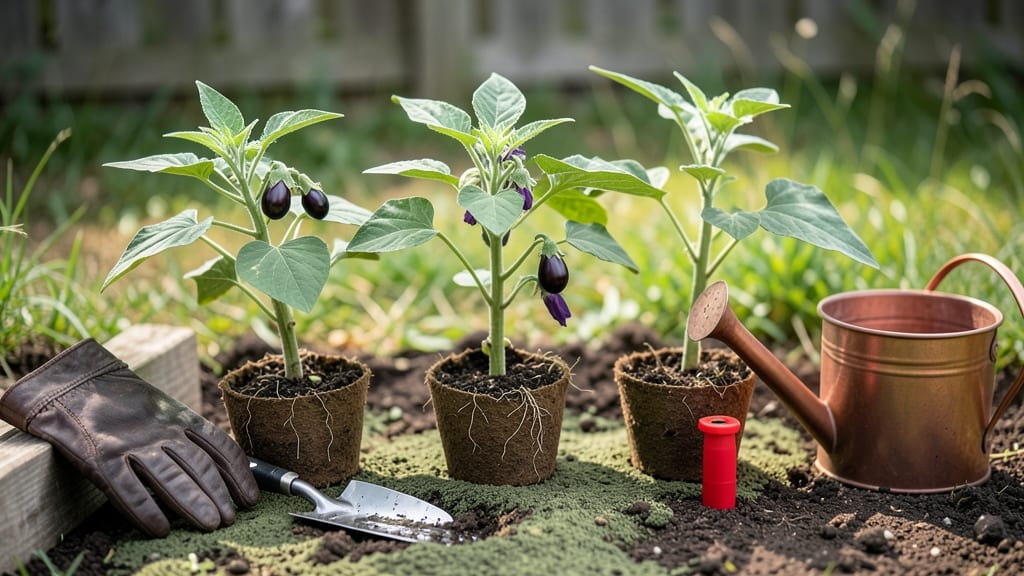
Timing your eggplant planting in Georgia could mean the difference between a bumper crop of glossy-skinned 🍆 beauties and a sad, wilted disappointment. The key isn't just waiting until spring—it's understanding your local microclimate, whether you're in the Piedmont's cooler hills or the Coastal Plain's balmy lowlands.
Most gardeners in USDA zones 7a-8b know the general rule: wait until after the last frost date, which typically falls around April 15 for northern Georgia. But here's the catch—eggplants demand warmth, and planting too early when soil temperatures hover below 70°F can stunt growth or invite disease.
I've learned the hard way that rushing seedlings into cool soil leads to leggy, weak plants that struggle to produce fruit. The sweet spot? Transplanting hardened-off seedlings once nighttime temperatures stay consistently above 60°F, usually between late April and mid-June. That's your 6-week window to get it right.
What you'll discover in this guide are the exact dates tailored to your Georgia region, plus pro tips for hardening seedlings and choosing varieties that thrive in our heat. Let's turn your eggplant dreams into a harvest you'll actually want to cook with.
Best planting dates for eggplant in Georgia’s climate zones
Georgia’s diverse climate—from the humid Coastal Plain to the drier Piedmont—means eggplant planting dates vary by region. The key is planting after your last frost date, when soil temperatures consistently stay above 60°F (15°C).
In most of Georgia, this falls between mid-April and early May, but North Georgia’s cooler zones may need a later start.
For North Georgia (USDA Zones 7a-7b), like Atlanta or the mountains, aim for April 20–May 10. Southern regions, including Savannah or Macon, can plant as early as March 20–April 15, thanks to milder winters.
Always check your local frost-free date using the Georgia Climate Project or USDA Plant Hardiness Zone Map.
Eggplants are heat-loving plants, so planting too early risks cold-sensitive seedlings. If you start seeds indoors, begin 8–10 weeks before your last frost (typically mid-February to early March). Transplant seedlings outdoors only after soil warms to 70°F (21°C)—use a soil thermometer to confirm.
Here’s how to calculate your exact dates: Subtract 14 days from your last frost date for early varieties (like 'Black Beauty') and 21 days for late varieties (like 'Ichiban').
For example, if your last frost is April 1, plant early varieties by March 18 and late varieties by March 10.
| Georgia Region | Last Frost Date | Ideal Planting Window | Soil Temp Requirement |
|---|---|---|---|
| North Georgia (Atlanta, Blue Ridge) | April 15–May 1 | April 20–May 10 | 70°F (21°C) |
| Central Georgia (Macon, Columbus) | March 20–April 5 | March 25–April 15 | 65°F (18°C) |
| South Georgia (Savannah, Valdosta) | February 15–March 10 | March 1–April 1 | 60°F (15°C) |
| Coastal Georgia (Brunswick, Tybee) | January 30–February 15 | February 15–March 10 | 58°F (14°C) |
If you miss the spring window, don’t despair—Georgia’s long growing season allows for a second planting in late June. Choose fast-maturing varieties (like 'Fairy Tale') to harvest before the first frost (mid-November). Just be prepared for shorter daylight hours, which may reduce yield.
For container growers, start seeds indoors in late March and move pots outdoors after May 1. Containers warm up faster than soil, so monitor roots—eggplants in pots need larger containers (12+ inches deep) to avoid root-bound stress.
Mulch with straw or black plastic to retain heat and moisture, especially in North Georgia’s cooler nights.
Pro tip: Use a planting calendar like the University of Georgia Extension’s to track your local microclimate. For example, urban Atlanta may have 2–3°F warmer soil than rural areas due to the heat island effect. Adjust your dates accordingly!
Remember, eggplants thrive in warmth and humidity, but they hate soggy soil. If your area gets heavy rains in late summer, opt for raised beds with well-draining soil to prevent root rot. With the right timing, you’ll enjoy plump, glossy eggplants from July through October.
Best planting dates for eggplant in Georgia’s climate zones
Georgia’s diverse climate—from the Coastal Plain to the Piedmont—means eggplant planting dates vary by region. In North Georgia (USDA Zones 7a-7b), the last frost typically arrives around April 15, while South Georgia (Zones 8a-8b) sees frost-free conditions by March 15. Planting too early risks frost damage, but waiting too late shortens your harvest window. Aim to transplant seedlings 2-3 weeks after your last frost date when soil temperatures hit 70°F—critical for eggplant root development. For direct sowing, wait until soil warms to 75°F+, usually May 1 in North Georgia and April 1 in South Georgia. Early varieties like 'Ichiban' can handle slightly cooler soils, while heat-loving 'Black Beauty' thrives only when temperatures are consistently warm. Always check your local frost dates via the Georgia Climate Project or USDA Plant Hardiness Zone Map for precision.📅 Georgia Eggplant Planting Timeline
| Region | Last Frost Date | Optimal Transplant Window | Direct Sow Window |
|---|---|---|---|
| North Georgia (Zones 7a-7b) | April 15 | May 1 - May 15 | May 15 - June 1 |
| Central Georgia (Zones 7b-8a) | April 1 | April 15 - May 1 | May 1 - May 15 |
| South Georgia (Zones 8a-8b) | March 15 | March 30 - April 15 | April 1 - April 15 |
⚠️ Pro Tip: Use row covers if transplanting early to protect seedlings from unexpected late frosts.
🌱