
Plants
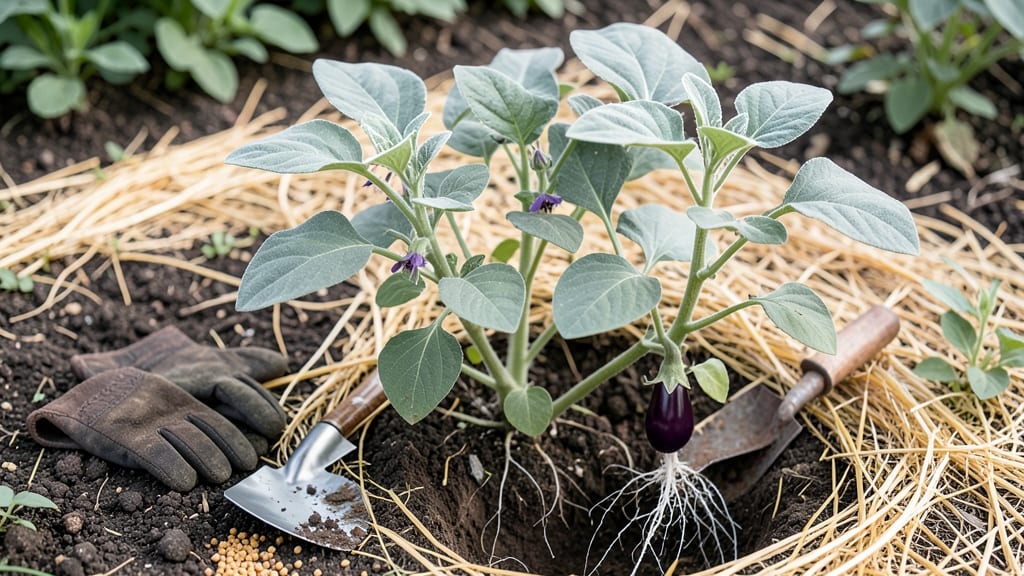
Timing your eggplant planting in Louisiana can mean the difference between a thriving garden and wasted effort. The state's warm climate makes it ideal for growing 🍆, but getting the schedule wrong could leave your plants vulnerable to unexpected chilly spells.
Most gardeners in USDA zones 8a-9b know that eggplant thrives in heat, but the key is planting after the last frost date—typically between March 15 and June 15. Starting seeds indoors 8-10 weeks before transplanting gives you the perfect head start for a summer harvest.
If you're wondering when to put those seedlings in the ground, wait until soil temperatures hit 70°F+. This timing ensures your plants grow strong and avoid the stress of cooler nights, which can stunt their development.
Once you get the timing right, you'll be on your way to a bountiful harvest from June through October. Let's dive into the exact steps to make your eggplant season a success in Louisiana's unique climate.
Louisiana’s eggplant planting zones: when to start seeds vs. transplants
Louisiana’s climate—with its long growing season and high humidity—makes it ideal for growing eggplant, but timing is critical. The state spans USDA zones 7b through 9a, meaning frost dates vary dramatically from north to south.
In Shreveport (Zone 8a), the last frost typically occurs around March 15, while New Orleans (Zone 9a) sees frost-free conditions by February 15. Getting your eggplant seeds or seedlings in the ground at the right time ensures a thriving harvest.
For Louisiana gardeners, the key is balancing seed-starting indoors with transplanting outdoors after soil temperatures hit 70°F+. Starting too early risks leggy seedlings, while planting too late cuts your harvest short. Let’s break down the best approach for each zone and city.
Here’s a quick reference for Louisiana’s eggplant planting windows, tailored to your location:
| Zone/City | Last Frost Date | Start Seeds Indoors | Transplant Outdoors | Harvest Window |
|---|---|---|---|---|
| Shreveport (Zone 8a) | March 15 | January 15 | April 1 - April 15 | July - October |
| Baton Rouge (Zone 8b) | March 1 | January 1 | March 20 - April 1 | June - October |
| New Orleans (Zone 9a) | February 15 | December 15 | February 20 - March 15 | May - November |
| Lake Charles (Zone 9a) | February 1 | December 1 | February 1 - March 1 | April - November |
If you’re in Zone 8a (like Shreveport), aim to start seeds indoors around mid-January for transplants by early April. This gives your eggplant enough time to mature before the first frost, which can sneak in as early as mid-November.
For Zone 9a (New Orleans or Lake Charles), you can even start seeds in late December and transplant by late February, extending your growing season dramatically.
Soil temperature is just as critical as air temperature. Eggplant thrives when soil reaches 70°F or warmer. Use a soil thermometer to check—if it’s cooler, wait a few more days.
In Louisiana’s heat, soil warms quickly, but early March is still risky in northern zones. For a head start, use black plastic mulch to raise soil temperature faster.
For gardeners in southern Louisiana (Zones 9a-9b), you can even try direct sowing seeds outdoors in March, but seedlings are fragile in cooler spells. If you’re unsure about frost dates, err on the side of transplanting seedlings—they’re more resilient once established.
Just be prepared to protect young plants with row covers if a late frost threatens.
One common mistake is assuming Louisiana’s heat means you can plant anytime. But early planting in Zone 8a risks frost damage, while late planting in Zone 9a may not give your eggplant enough time to fruit before the season cools.
The sweet spot? Transplant seedlings 2-3 weeks after your last frost date for optimal growth.
Pro tip: If you’re in Zone 9a and want a fall harvest, you can try a second planting in July for a late-season crop. Just choose fast-maturing varieties (like 'Ichiban') to ensure they ripen before frost.
🌱
Critical eggplant planting mistakes in Louisiana—and how to avoid them
Planting eggplant in Louisiana can go wrong fast if you ignore the state’s unique climate quirks. The biggest mistake? Planting too early before the last frost date—even if your neighbors swear their eggplants survived.
Louisiana’s USDA zones 8a-9b might seem forgiving, but late frosts can still sneak in, especially in northern parishes like Shreveport.
Another common error is skipping soil temperature checks. Eggplant roots need warm soil—70°F+—to thrive. Testing with a soil thermometer is non-negotiable. Cold soil stunts growth, leaving your plants weak and vulnerable to fungal diseases like damping-off.
Here’s what you must avoid to ensure your eggplant plants grow strong and productive:
Mistake: Planting Before Soil Warms
Eggplant roots won’t grow in cold soil (<60°F). Wait until soil hits 70°F+—use a thermometer to confirm.
Mistake: Choosing Non-Humidity-Tolerant Varieties
Louisiana’s high humidity (70%+) favors disease-prone varieties. Stick to heat-tolerant hybrids like 'Ichiban' or 'Rosa Bianca'.
Mistake: Overwatering Young Seedlings
Soggy soil = root rot. Water deeply but infrequently (every 2-3 days) once seedlings are established.
Let’s talk soil prep—another area where Louisiana gardeners often fall short. Eggplant craves well-draining, fertile soil with a pH of 6.0-6.8. Amend your garden beds with compost or aged manure before planting. Skimping here means smaller yields and weaker plants that can’t handle Louisiana’s summer heat.
Mulching is your secret weapon against soil-borne diseases and moisture loss. Apply a 2-3 inch layer of straw or pine needles around your eggplant plants to keep roots cool and retain humidity. This is especially critical during Louisiana’s hot, dry spells in late summer when rainfall drops.
Finally, don’t ignore pests. Louisiana’s humidity attracts aphids, spider mites, and flea beetles. Monitor your plants weekly and act fast with neem oil or insecticidal soap if you spot damage. Early intervention prevents outbreaks that can devastate your harvest.
By avoiding these common pitfalls, you’ll set your eggplant plants up for success—bigger fruit, healthier vines, and a harvest that rivals your neighbors’. Now, let’s talk about the best varieties to grow in Louisiana’s heat and humidity.