
Planting
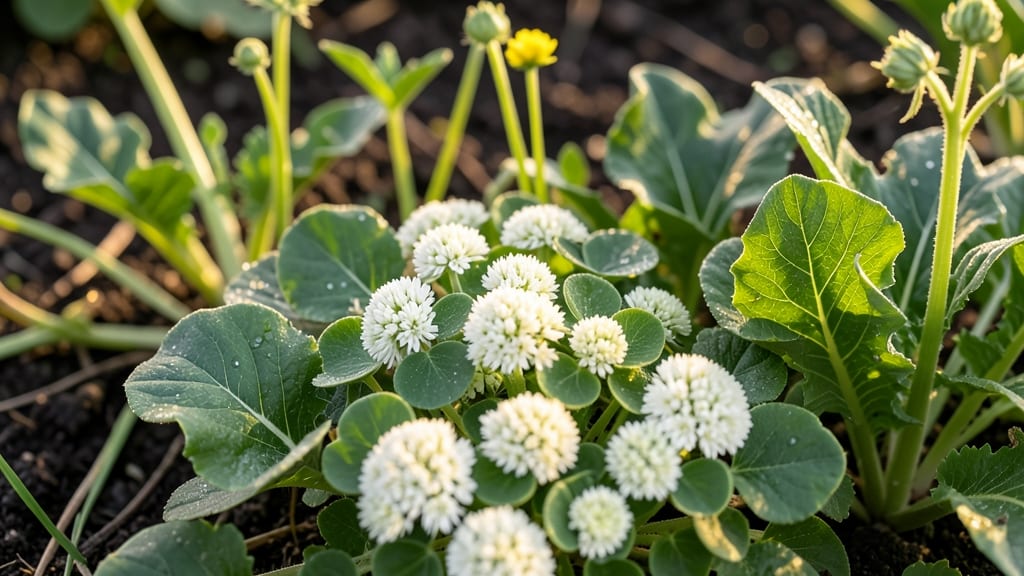
If you're planting deer food plots in Kentucky this year, timing is everything—and getting it wrong could leave your whitetails hungry while your investment goes to waste.
The key to lush, nutritious plots lies in aligning your planting schedule with Kentucky's 6a-7a climate and the deer's natural growth cycle, not just the calendar.
Picture this: You've spent hours preparing your soil, choosing the right seeds, and clearing the land—only to watch your 🌾 deer food plots struggle because you planted at the wrong time.
That's why knowing whether to plant in late winter or early fall makes all the difference for buck growth and hunting success.
In this guide, I'll break down the ideal planting windows—from February to April or August to September—so you can grow plots that deer will devour. We'll cover soil prep, climate considerations, and even how to adjust for Kentucky's microclimates to ensure your food plots thrive year-round.
Ready to transform your property into a whitetail magnet? Let's get started with the exact steps that work for Kentucky landowners like you.
Kentucky deer food plot planting calendar by whitetail growth stages
Timing your deer food plots in Kentucky isn’t just about the calendar—it’s about syncing with whitetail growth stages. Fawns born in May-June need peak nutrition by August-September, while bucks bulk up for the rut in November.
Miss these windows, and you’ll miss out on maximum forage and hunting opportunities. Let’s break down the best planting months for each stage.
Kentucky’s USDA Zones 6a-7a offer two prime planting windows: late winter/early spring (February-April) and early fall (August-September). Spring plots focus on high-protein annuals like clover and brassicas, while fall plots prioritize rut-attracting crops like winter wheat and chicory.
The key? Plant when soil reaches 50°F and avoid frost-sensitive species after March 15.
| Stage | Planting Window | Ideal Crops | Whitetail Benefit |
|---|---|---|---|
| Pre-Rut (June-August) | Late Winter (Feb-Apr) | Clover, Brassicas | High-protein forage for fawns |
| Rut (September-November) | Early Fall (Aug-Sept) | Winter Wheat, Chicory | Energy-rich rut attractants |
| Post-Rut (December-February) | Late Fall (Oct-Nov) | Rye, Clover Mixes | Winter forage for bucks |
For spring planting, aim for February-March in Kentucky’s Bluegrass Region (warmer microclimate) or early April in cooler Pennyroyal Plateau areas. Use cover crops like daikon radish to suppress weeds and improve soil. In August-September, focus on cool-season grasses like winter wheat, which deer love during rut season.
Pro tip: Test soil pH before planting—Kentucky’s acidic soils (pH 5.5-6.0) often need lime to reach the ideal 6.0-6.5 range. Amend at least 4-6 weeks before planting to avoid nutrient lockout. Overlooking this step can stunt growth and reduce forage quality by 30-40%.
If you’re planting brassicas (like turnips or rape) for fall, start seeds indoors in July and transplant by mid-August. These high-protein crops peak in October-November, aligning perfectly with rut activity. For perennial plots, like clover or chicory, establish them in spring for multi-year benefits.
Kentucky’s variable frost dates (last frost: March 15, first frost: November 15) demand flexibility. In northern Kentucky, wait until mid-April for spring planting, while southern regions can start as early as February. Always check local frost charts—a late frost can devastate tender annual plots.
Don’t forget soil temperature: Seeds need 50-60°F soil to germinate. Use a soil thermometer to avoid planting too early. In cool springs, delay until soil warms naturally. Patience here prevents poor germination and weak stands that deer won’t bother browsing.
For fall planting, prioritize winter-hardy crops like rye or cereal rye. These deep-rooted grasses provide year-round forage and improve soil structure. Plant by September 15 to ensure establishment before first frost. Overlapping fall and spring plots creates a continuous food source for whitetails.
Remember: Deer activity peaks at dawn and dusk, so place plots near bedding areas or trails for maximum visibility. A well-timed food plot can turn a good hunt into a legendary one—just ask any Kentucky hunter who’s watched bucks thicken up on a late-September chicory plot.
Kentucky deer food plot planting calendar by whitetail growth stages
Kentucky's 6a-7a climate creates two perfect windows for planting deer food plots: late winter to early spring (February-April) and early fall (August-September). These timings align with whitetail fawn development, ensuring your plots provide nutrition exactly when deer need it most.
The spring window (February-April) focuses on high-protein annuals like clover and brassicas, while fall planting (August-September) prepares winter forage like rye and winter wheat. Both strategies create year-round food sources that attract deer during critical growth periods.
Here's how Kentucky's planting calendar breaks down by whitetail growth stage:
| Growth Stage | Planting Window | Ideal Crops | Deer Benefit |
|---|---|---|---|
| Pre-Rut (March-April) | February-March | Clover, Brassicas, Chicory | High-protein forage for bucks |
| Rut (October-November) | August-September | Brassicas, Winter Wheat, Rye | Energy-rich food during breeding |
| Post-Rut (December-February) | September-October | Clover Mixes, Winter Rye | Maintains body condition |
| Fawn Development (May-July) | April-May | Soybeans, Sorghum, Millet | Supports lactating does |
For Kentucky landowners, the August-September window is particularly critical because it establishes fall and winter forage when natural food sources dwindle. This timing also avoids Kentucky's first frost (typically November 15), giving plants time to establish strong root systems.
Remember that Kentucky's Bluegrass region has slightly different microclimates than the Pennyroyal Plateau. Adjust your planting dates by 1-2 weeks later in higher elevation areas to account for cooler temperatures and later frost dates.
Pro tip: Always test your soil pH (aim for 6.0-6.5) before planting. Kentucky's clay-heavy soils often need lime amendments to reach optimal levels for food plot success.