
Plants
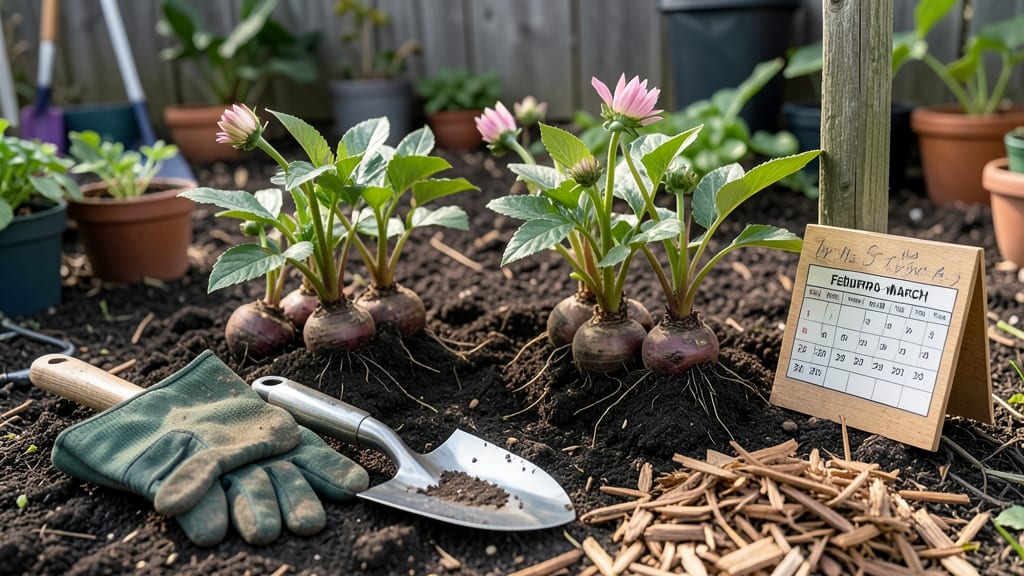
Timing your dahlia planting in Zone 8b can mean the difference between a garden bursting with 🌼 blooms and a season of disappointment. Unlike hardy perennials, dahlias need that sweet spot between frost risk and soil warmth—too early, and your tubers rot; too late, and you miss peak flowering.
In Zone 8b, where average last frost dates hover around March 15, the magic window opens 2-4 weeks after that date—typically mid-April to early June. But here’s the catch: soil temperature matters more than calendar dates. Planting when the ground reaches 60°F ensures your tubers wake up without stress.
Whether you’re starting with tubers or seeds, I’ll break down the exact steps to prep them for Zone 8b’s unique climate—including chitting, cutting, and soil prep tricks that cut down on waiting time. Skip this prep, and you might end up with stunted plants or delayed blooms.
Once planted, Zone 8b’s unpredictable late frosts demand smart aftercare. I’ll share mulching hacks, watering schedules, and even frost protection tips to keep your dahlias thriving through August’s heat and into fall harvests. Let’s get those tubers in the ground the right way.
Optimal planting timeline for dahlias in Zone 8b: weeks before last frost
Zone 8b gardeners enjoy a longer growing season than most, but dahlias still need precise timing to avoid frost damage or stunted growth.
The last average frost date in most of Zone 8b falls around March 15, but your exact window depends on whether you're in Northern California (cooler) or Southern California (warmer microclimates).
For tuber planting, aim to get dahlias in the ground 2-4 weeks before your last frost. This gives tubers time to establish roots before summer heat arrives.
In Zone 8b, that typically means mid-April to early May in most areas, but early April works for coastal regions with milder winters.
If you're starting from seeds indoors, begin them 10-12 weeks before transplanting—usually mid-February to early March. Seedlings need 60°F soil temperature to thrive, so don't rush outdoor planting until nighttime temps stay above 50°F consistently.
Here's the critical timeline for Zone 8b dahlias, broken down by region:
| Stage | Action | Zone 8b Timeline |
|---|---|---|
| Indoor Seed Start | Sow seeds 10-12 weeks before transplant | Mid-February to early March |
| Soil Prep | Amend soil with compost, ensure drainage | Late February to early April |
| Tuber Chitting | Pre-sprout tubers indoors (2-3 weeks before planting) | Late March to early April |
| Outdoor Planting | Plant tubers/seeds after last frost, when soil is 60°F+ | Mid-April to early May |
| First Blooms | Expect blooms 90-120 days after planting | Late July to early September |
Pro tip: Use a soil thermometer to confirm 60°F soil temperature before planting tubers. Cold soil slows sprouting and invites rot. If your spring is unpredictable, opt for tubers over seeds—they establish faster and handle cooler soils better.
For Southern California gardeners (like San Diego), you can push planting to early March in sheltered microclimates. Northern areas (like Sacramento) should wait until mid-April to avoid late frosts. Always monitor your local Almanac frost forecast for adjustments.
One common mistake in Zone 8b is planting too early when soils are still cool. Dahlias won't sprout until soil hits 60°F, and premature planting can lead to rotten tubers. Conversely, waiting until June means missed blooms—dahlias need 90-120 days to flower.
If you're in a high-desert area of Zone 8b (like parts of Nevada or Arizona), your timeline shifts slightly earlier due to warmer days and cooler nights. Start tubers in late February and plant outdoors by early April to align with your shorter frost-free window.
Remember: Dahlias are short-day plants, meaning they bloom more in response to longer nights. Planting too late (after June 1) may result in fewer flowers as daylight hours shorten. Balance your timing to maximize both tuber establishment and blooming potential.
🌼 For container growing in Zone 8b, plant tubers 2 weeks earlier than in-ground dahlias since pots warm up faster. Use black containers to absorb heat and extend your planting window by 1-2 weeks.
How to prepare dahlia tubers for Zone 8b planting: chitting, cutting, and hardening off
Preparing your dahlia tubers before planting in Zone 8b can mean the difference between vigorous blooms and struggling plants. Since Zone 8b’s mild winters often mean soil stays cooler longer, giving your tubers a head start is key.
I’ve found that chitting and proper cutting can shave weeks off your growing season—critical when your last frost might linger into mid-March.
Start by examining your tubers for eyes (those tiny dimples where sprouts emerge). Choose tubers with 3-5 healthy eyes for best results. If you’re working with large tubers, you can divide them into smaller sections, ensuring each piece has at least one eye.
This not only speeds up growth but also gives you more plants! Use a sterilized knife and let the cuts dry for a day before planting.
🌱 Step-by-Step Pre-Planting Prep for Dahlias
- Inspect tubers: Look for firm, plump tubers with visible eyes (sprout points). Discard any that are soft, moldy, or shriveled.
- Divide large tubers: Cut into sections with 3-5 eyes each using a sterilized knife. Let cuts heal for 24 hours before handling.
- Chit tubers indoors: Place tubers eyes-up in a tray with sphagnum moss or paper towels. Keep in a bright, warm spot (60-65°F) for 2-4 weeks.
- Hardening off sprouts: Once sprouts reach 2-3 inches, move tubers outside during the day to acclimate for 5-7 days before final planting.
- Prep planting holes: Amend soil with compost and a balanced fertilizer (5-10-10). Plant tubers 4-6 inches deep after soil warms to 60°F.
Chitting is my favorite trick for Zone 8b gardeners. Simply place your tubers in a tray with the eyes facing up, covered with sphagnum moss or damp paper towels. Keep them in a warm, bright spot (60-65°F) for 2-4 weeks until sprouts emerge.
This mimics the natural warming of spring soil and gives your dahlias a 2-week head start. Pro tip: Avoid overwatering during chitting—just keep the moss or towels damp, not soggy.
Once your sprouts are 2-3 inches tall, it’s time to harden them off. This means gradually introducing them to outdoor conditions to avoid shock. Start by placing the trays outside during the day and bringing them back in at night for 5-7 days.
After a week, you can leave them out overnight, then plant them when nighttime temperatures stay above 50°F. This step is crucial in Zone 8b, where late frosts can still sneak in.
Don’t make the mistake of planting unchitted tubers directly into cold soil—this can delay blooming by 4-6 weeks. I’ve seen gardeners in Northern California rush planting in early April only to have their dahlias struggle until June.
Instead, wait until your soil temperature consistently stays above 60°F (usually mid-April to early May in most of Zone 8b) and your tubers are already sprouting.
Finally, enrich your planting holes with well-rotted compost and a slow-release fertilizer to give your dahlias the nutrients they need to burst into bloom. Mulch with straw or wood chips to retain moisture and keep roots cool—especially important during Zone 8b’s hot summers.
With these prep steps, you’ll be rewarded with show-stopping dahlias by early summer!