
Plants
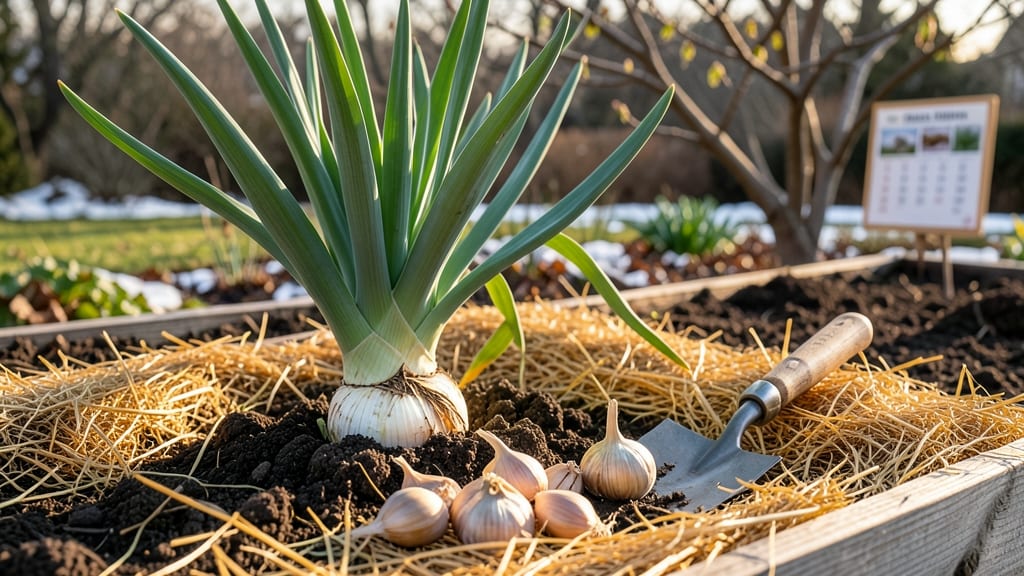
Timing your garlic bulbs planting in Zone 5 could mean the difference between a bumper crop and a total flop—especially if you're working with the short fall window before the ground freezes.
I've seen gardeners in my area rush planting too early, only to watch their cloves rot in soggy soil, while others wait too long and miss the sweet spot for strong root development.
Here's the secret: Zone 5's fall planting window is narrow but forgiving if you know the tricks. Planting between mid-October and early November gives your garlic enough time to establish roots before winter dormancy, while avoiding the spring planting myth that actually weakens bulb formation.
Let me show you exactly how to nail this timing—and why soil temperature matters more than you think.
We'll cover the ideal planting dates based on your specific microclimate, how to prepare your soil for winter survival, and what to watch for after you tuck those cloves into the ground. Spoiler alert: mulching isn't just about insulation—it's a game-changer for spring emergence.
Whether you're a first-time garlic grower or looking to boost your yields, these insights will help you avoid common pitfalls and set yourself up for stronger bulbs next summer. Let's get those cloves in the ground right.
Zone 5 garlic planting timeline: exact fall dates for maximum growth
Mastering the Zone 5 garlic planting window is your secret weapon for plump, flavorful bulbs. Unlike spring planting (which often fails in cold climates), fall-planted garlic establishes roots before winter, giving it a head start for next summer’s harvest.
The sweet spot? Mid-October to early November—but exact dates depend on your last frost date and soil conditions.
In Zone 5, where winters are harsh, timing is critical. Plant too early, and garlic may sprout before freezing. Too late, and it won’t develop strong roots before the ground locks up.
Aim to plant 4-6 weeks before the ground freezes—typically October 15 to November 1 in most of Zone 5. Use your average first frost date (usually November 15) as your deadline.
Soil temperature is your best guide. Garlic cloves need 40-50°F soil to sprout but won’t survive if planted in warmer-than-60°F soil. Use a soil thermometer to check—if temps hover around 50°F at 4 inches deep, it’s time to plant.
In Northern Zone 5 (e.g., Minnesota, Upstate New York), plant by late September; in Southern Zone 5 (e.g., Kansas, Virginia), wait until mid-October.
Moon phases also play a role in traditional gardening. Planting during the waning moon (after the full moon) encourages root growth—ideal for garlic. Check a lunar planting calendar for your region’s phases.
For example, if the full moon is October 28, aim to plant between October 29 and November 5 for optimal root development.
Zone 5 Garlic Planting Timeline
| Stage | Action | Soil Temp | Moon Phase |
|---|---|---|---|
| Early Fall Prep | Break bulbs, cure cloves, amend soil | 50-60°F | Waxing gibbous |
| Planting Window | Mid-October to early November | 40-50°F | Waning moon |
| Winter Dormancy | Mulch heavily (4-6 inches) | Below freezing | New moon |
| Spring Growth | Remove mulch in March, fertilize lightly | 40-50°F | Waxing crescent |
| Harvest Ready | Mid-July to August | 60-70°F | Full moon |
🌱 Pro Tip: Adjust for microclimates—sheltered spots may stay warmer longer.
Don’t let myths about spring planting fool you. While some gardeners try planting garlic in early spring, Zone 5’s short growing season makes this risky. Spring-planted garlic often bolts (sends up flowers) early or produces small, pungent bulbs.
Fall planting gives garlic 10-12 months to mature, resulting in larger, milder cloves—perfect for roasting or braiding.
For hardneck vs. softneck varieties, timing matters too. Hardneck garlic (like ‘Music’ or ‘German White’) thrives in Zone 5’s cold winters and is best planted in fall. Softneck varieties (like ‘Artichoke’) can tolerate slightly later planting but still prefer the fall window.
If you’re unsure, opt for hardneck—it’s more cold-hardy and produces flavorful scapes in summer.
Use local frost date data to fine-tune your schedule. Check resources like the USDA Plant Hardiness Zone Map or your state’s agricultural extension service for precise frost dates. For example, in Chicago (Zone 5b), the last frost is November 10, so plant by October 15.
In Raleigh (Zone 5a), with a later frost (November 20),
Zone 5 garlic planting timeline: exact fall dates for maximum growth
In Zone 5, your garlic bulbs need to establish roots before the ground freezes—but not so early that they rot in damp soil. The ideal window is mid-October to early November, when soil temperatures drop to 40-50°F.
This timing ensures roots grow before winter dormancy while avoiding spring planting, which often yields smaller bulbs. Think of it as giving your garlic a head start on next summer's harvest.
Your exact planting date depends on local frost dates. In Northern Zone 5 (e.g., Minneapolis), aim for October 15-30, while Southern Zone 5 (e.g., Kansas City) can stretch until November 10.
Check your last frost date—plant 4-6 weeks before the ground freezes solid. Pro tip: Use a soil thermometer to confirm temps are below 50°F at planting time.
| Zone 5 Region | Ideal Planting Window | Soil Temp Threshold | Moon Phase Tip |
|---|---|---|---|
| Northern Zone 5 (e.g., Detroit, Minneapolis) | Mid-October (Oct 15-30) | 40-50°F | Plant during waxing moon for stronger roots |
| Southern Zone 5 (e.g., Kansas City, Columbus) | Early November (Nov 1-10) | 45-55°F | Avoid full moon—plant during crescent moon |
| Microclimates (e.g., urban heat islands) | Extend window by 1 week | 50-55°F | Monitor soil temps daily with a probe |
Don't let the spring planting myth fool you—garlic planted in spring produces smaller, weaker bulbs because it focuses energy on leaf growth instead of bulb development. Fall-planted garlic forms bulbs during winter dormancy, resulting in larger, more flavorful cloves.
For best results, use hardneck varieties like 'German White' or 'Music', which thrive in Zone 5's cold winters.
After planting, focus on mulching depth—aim for 4-6 inches of straw or leaves to insulate roots. This protects against freeze-thaw cycles that can heave bulbs out of the soil.
In early spring, remove half the mulch to prevent rot while keeping some for insulation during late frosts. Your garlic will reward you with vigorous green shoots by March.
Watch for soil heaving in heavy clay soils—a common issue in Zone 5 that can expose garlic cloves. To prevent this, mix in compost or sand before planting and use a light mulch layer (2 inches) until roots establish.
Even a small improvement in drainage can mean the difference between a thriving crop and winter loss.
Remember: The key to Zone 5 garlic success is patience and preparation. Plant at the right time, protect those roots, and by next summer, you'll harvest plump bulbs that'll make your neighbors jealous. Happy planting! 🌱