
Plants
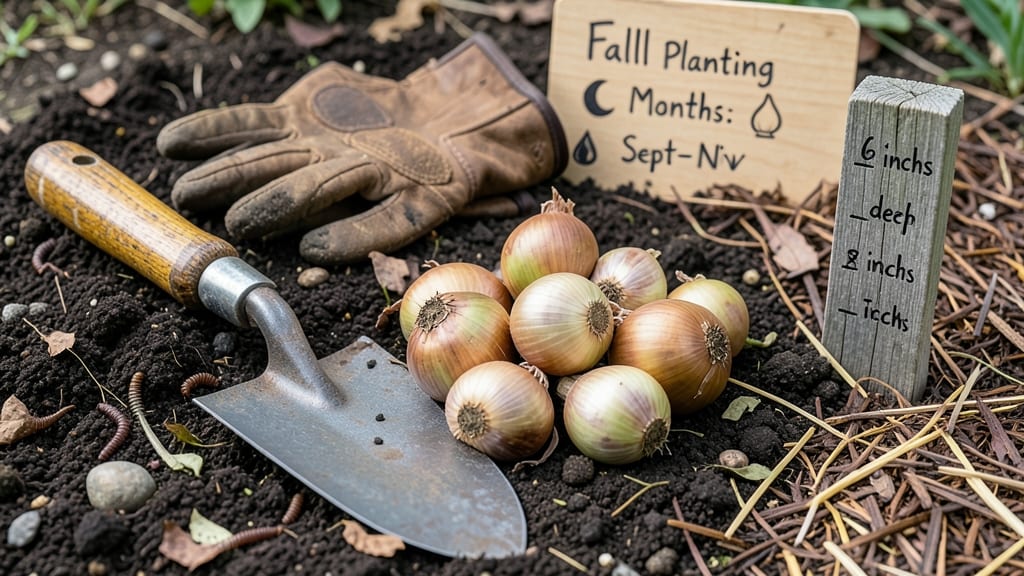
Timing your planting bulbs in the ground is the secret to a garden bursting with color—without the frustration of waiting for blooms that never come. Whether you're dreaming of spring tulips or late-summer dahlias, getting the timing right means the difference between vibrant displays and wasted effort.
In USDA Zone 6a, where I garden, the window is narrow but critical: plant too early, and your bulbs may rot before winter; too late, and you’ll miss the ideal growing season.
Most gardeners know fall is prime for planting spring-blooming bulbs, but did you know summer and even early spring can also work for certain varieties? I’ve tested the timing myself—from daffodils in October to crocuses in March—and the results speak for themselves.
The key isn’t just the calendar; it’s understanding your soil’s temperature, your local frost dates, and even the type of bulb you’re planting.
Let’s cut through the guesswork. I’ll walk you through the exact months to plant in your zone, how to adjust for early or late seasons, and which bulbs thrive when planted outside the usual window.
By the end, you’ll know not just when to plant, but why—so your garden becomes a reliable showstopper year after year.
Ready to transform your garden? The best time to start is now—before the next planting window slips away. Whether you’re a beginner or a seasoned gardener, these insights will help you plant with confidence and enjoy blooms that feel like magic.
Best months to plant bulbs by USDA climate zone
Planting bulbs at the right time ensures they establish strong roots before winter or summer dormancy. The golden rule is to plant most bulbs 6-8 weeks before the first frost in your zone.
This gives them time to root deeply before the ground freezes. For summer-blooming bulbs, like dahlias, timing shifts to late spring or early summer after the last frost.
Your USDA climate zone determines the exact window. For example, gardeners in Zone 3-5 (cold winters) plant fall bulbs by mid-October, while those in Zone 8-10 (mild winters) can plant until December. Coastal areas often have extended planting windows due to milder temperatures.
Here’s a quick breakdown of when to plant based on your zone and bulb type:
| USDA Zone | Spring-Blooming Bulbs (Fall Planting) | Summer-Blooming Bulbs (Spring Planting) | Notes |
|---|---|---|---|
| 3-5 | September 15 - October 15 | April 1 - May 15 | Plant early to avoid frost; mulch after planting. |
| 6-7 | October 1 - November 1 | April 15 - June 1 | Adjust for early frosts; coastal areas can plant later. |
| 8-10 | November 1 - December 15 | May 1 - June 15 | Mild winters allow later planting; monitor soil temps. |
For spring-blooming bulbs like tulips and daffodils, the key is to plant them when soil temperatures drop below 60°F. This triggers root growth without encouraging premature sprouting. Use a soil thermometer to check—plant when temps consistently stay below this threshold.
In warmer climates (Zones 8-10), some bulbs like rain lilies or spider lilies can be planted in late fall or even winter, as they thrive in mild conditions.
However, avoid planting when soil is waterlogged, which can cause rot. Test your soil’s moisture by squeezing a handful—if it forms a tight ball, wait a few days.
If you’re in a transition zone (e.g., Zone 7b), err on the side of earlier planting. These areas experience unpredictable frosts, and bulbs need time to establish roots. For example, in Atlanta, GA (Zone 7b), aim to plant by mid-October to ensure blooms next spring.
Don’t forget about summer-blooming bulbs like dahlias or gladiolas. These need to go in the ground after the last frost when soil is at least 60°F. In colder zones, wait until mid-May, while in warmer zones, April planting works well.
Pro tip: Mark your planting dates on a garden calendar and set reminders. Missed the window? Some bulbs, like tulips or crocuses, can tolerate late fall planting as long as the ground isn’t frozen. Others, like hyacinths, are more forgiving if planted a little early.
Finally, soil preparation matters just as much as timing. Amend your soil with compost or bulb-specific fertilizer before planting to give bulbs a nutrient boost. This helps them store energy for next year’s blooms.
How to adjust planting time for early or late seasons
Planting bulbs at the wrong time can turn your dream garden into a soggy mess—or worse, a graveyard for bulbs. Unseasonably warm winters or delayed frosts throw off the usual schedule, but with a few adjustments, you can still get stunning blooms.
The key is understanding soil temperature triggers and local microclimates that might be warmer or cooler than your general zone suggests.
For example, coastal areas often have milder winters, meaning you might plant tulips or daffodils 2-4 weeks later than inland gardeners. Conversely, high-altitude gardens can experience earlier frosts, so plant fall bulbs 2-3 weeks sooner to avoid rot.
Always check your last average frost date—not the earliest recorded one—and adjust accordingly.
⚠️ Common Timing Mistakes to Avoid
- Planting too early in cold zones: Bulbs rot before roots establish.
- Planting too late in warm zones: Weak roots struggle to bloom.
- Ignoring soil temp: Bulbs need 40-50°F soil to root before winter.
Use a soil thermometer to confirm readiness—don’t guess!
If your season feels off, extend bloom seasons with strategic planting.
For instance, plant crocuses in late fall for early spring color, then add tulips in early winter for a staggered display. Summer-blooming bulbs (like dahlias) thrive when planted in late spring or early summer, once soil warms to 60°F or higher.
Always water deeply after planting to help roots establish before extreme weather hits.
For unpredictable climates, consider container gardening—you can move pots to sheltered spots or bring them indoors before frost. And if you’re in a warmer zone (8-10), some bulbs like rain lilies can even be planted in winter for spring blooms.
The rule of thumb? Plant when soil temps drop to 60°F—that’s your green light for most spring bulbs.
🌱 Adjusting for Your Climate
- Cold zones (3-5): Plant 6-8 weeks before first frost—usually September-October.
- Temperate zones (6-7): Aim for October-November, but delay if soil stays warm.
- Warm zones (8-10): Plant November-January for spring blooms.
- High altitude: Plant 2-3 weeks earlier than zone guidelines.
- Coastal/mild winters: Plant 2-4 weeks later than inland areas.
Don’t let a tricky season derail your plans—bulbs are forgiving if you adjust for soil conditions and local weather quirks. And if all else fails, plant a few extra bulbs as backups! Even if some don’t bloom perfectly, they’ll often recover for next year’s display. Happy planting! 🌷