
Plants
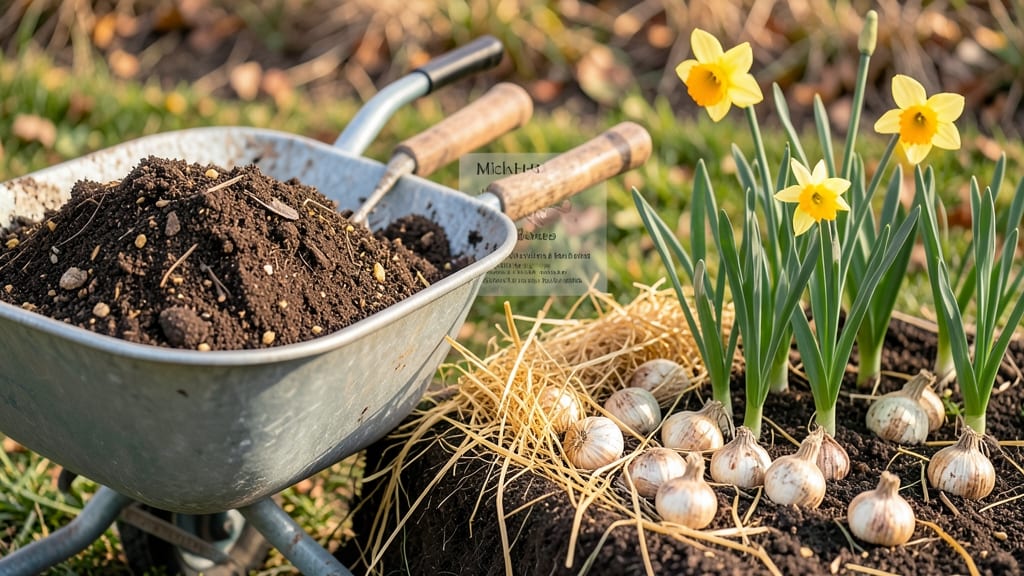
Timing the planting of your daffodil bulbs in Michigan isn’t just about following a calendar—it’s about outsmarting the weather before the ground freezes.
Those 🌼 blooms you’ll admire next spring depend on getting them in the soil just right, and missing the window by even a few weeks can leave your bulbs vulnerable to frost damage or weak growth.
Michigan’s Zone 5b-6b climate means you’ve got a narrow but critical window—roughly September through November—to plant daffodils for optimal survival. Too early, and the soil might still be too warm; too late, and the bulbs won’t establish roots before winter sets in.
The key is planting them 4-6 weeks before the ground freezes, usually by mid-November in most of the state.
Why does this matter? Because daffodils are tough, but they’re not invincible. A well-timed planting session ensures your bulbs have time to develop strong roots before the cold hits, setting the stage for vibrant, healthy blooms come April or May.
Plus, Michigan’s unpredictable falls make this the perfect time to get ahead while the soil is still workable.
In this guide, I’ll walk you through exactly when to plant, how to prep your soil for Michigan’s climate, and which daffodil varieties handle our winters best. Let’s make sure your garden gets the bright, cheerful start it deserves next spring.
Michigan’s ideal daffodil planting window: exact dates by region
Timing your daffodil bulbs correctly in Michigan is everything—plant too early, and they’ll rot; too late, and frost will kill them before roots establish. The critical window spans just 6 weeks, from mid-September to November 1st, but exact dates depend on your region’s frost risk.
Northern Michigan’s colder Zone 5b needs bulbs in the ground by October 15th, while southern Zone 6b can stretch until November 1st.
Daffodil bulbs need 4-6 weeks to root before the ground freezes. In Michigan, that means aiming for soil temps between 40°F and 60°F—ideal for root growth but not yet freezing. Use a soil thermometer to check; if temps drop below 40°F, bulbs won’t root properly.
For Michigan’s average last frost dates, northern areas (like Traverse City) hit freezing by mid-October, while southern areas (like Detroit) can wait until late October or early November.
Here’s why timing matters: Bulbs planted too early (before September 15th) may sprout prematurely, only to be killed by early frosts. Planting too late (after November 1st) leaves bulbs vulnerable to freeze-thaw cycles, which can crack them.
The sweet spot is 6 weeks before ground freeze, ensuring roots anchor before winter sets in.
Check your local USDA Zone for precision. Northern Michigan (Zone 5b) should plant by October 15th, while southern Michigan (Zone 6b) has until November 1st. Use the National Weather Service or Michigan State University Extension for real-time frost alerts.
Pro tip: Plant in batches if your area has unpredictable frosts—start with half your bulbs in early October, then add more if temps stay mild.
🌱 Michigan Daffodil Planting Timeline
| Region | USDA Zone | Best Planting Window | Soil Temp Goal | Last Frost Date |
|---|---|---|---|---|
| Northern Michigan (Traverse City, Marquette) | 5b | Sept 15 – Oct 15 | 40°F–60°F | Mid-October |
| Southern Michigan (Detroit, Ann Arbor) | 6b | Sept 15 – Nov 1 | 40°F–60°F | Late Oct–Early Nov |
| Central Michigan (Lansing, Grand Rapids) | 5b-6a | Sept 20 – Oct 31 | 40°F–60°F | Late Oct |
⚠️ Miss the window? If frost hits before bulbs root, mulch heavily (4–6 inches) to insulate them.
For Michigan’s clay-heavy soils, planting depth matters just as much as timing. Bulbs should go 6–8 inches deep—deeper in sandy soil, shallower in clay—to protect them from freeze-thaw damage.
Use a trowel or bulb planter to dig holes, then place bulbs pointy end up, 4–6 inches apart. Cover with soil and water deeply to settle roots. In container gardens, plant bulbs in well-draining potting mix and keep pots in a protected spot until spring.
Don’t assume Michigan’s fall weather follows a script—some years, early frosts hit by October 1st, while others stretch into November. To hedge your bets, plant early varieties (like ‘Tête-à-Tête’) first, then add taller varieties (like ‘Ice Follies’) later.
If you’re unsure, check the Michigan State University Extension’s frost calendar or use a soil thermometer to monitor temps. Remember: Bulbs planted in November may still bloom next spring, but they’ll be weaker and less reliable.
One common mistake? Planting daffodils too shallow to avoid digging. But shallow bulbs are frost-prone and more likely to rot. Aim for 6–8 inches deep, even if it means renting a post-hole digger for large batches.
For sloped yards, plant bulbs on contours to prevent erosion and ensure even water drainage. If your soil is waterlogged, amend it with compost or sand before planting to improve drainage.
Pro gardeners swear by planting daff
How to prepare Michigan soil for daffodil bulbs: 3 non-negotiable steps
Michigan’s clay-heavy soil and unpredictable weather can turn daffodil planting into a gamble if you skip soil prep. Without the right foundation, your 🌼 bulbs risk rot, weak growth, or even failure to bloom.
The good news? With three non-negotiable steps, you can create the perfect environment for your daffodils to thrive—even in our challenging climate.
First, focus on drainage. Daffodils hate soggy soil, and Michigan’s heavy clay retains too much moisture. Amend your soil with coarse sand or perlite to create air pockets. This simple fix prevents bulb rot, which is the #1 killer of newly planted daffodils in our region.
Aim for a mix that’s 60% native soil and 40% amendment for best results.
🌱 Did You Know?
Next, add organic matter like compost or well-rotted manure. This improves soil structure and provides nutrients without overwhelming the bulbs. Work in a 2-inch layer of compost into the top 6-8 inches of soil.
Avoid fresh manure—it can burn bulbs and attract pests. For raised beds, mix compost directly into the soil before planting.
Finally, test your soil’s pH level. Daffodils prefer a slightly acidic to neutral range of 6.0-7.0. Michigan’s native soil often skews alkaline, which can stunt growth.
If your test shows a pH above 7.0, add sulfur or peat moss to lower it gradually. For acidic soil (below 6.0), use lime sparingly.
Here’s how these three steps compare for raised beds vs. in-ground planting in Michigan:
| Step | In-Ground | Raised Bed |
|---|---|---|
| Drainage Fix | Mix 40% sand/perlite into top 8" | Use 50% coconut coir + 30% sand |
| Organic Matter | 2" compost layer, till in | Blend compost into entire bed |
| pH Adjustment | Test, add sulfur if >7.0 | Test, adjust with peat moss |
Don’t forget to water thoroughly after planting to settle the soil around bulbs. Aim for 1 inch of water per week until frost, then reduce to prevent winter rot. Mulch with 2-3 inches of straw after planting to insulate bulbs and retain moisture—critical for Michigan’s freeze-thaw cycles.
With these steps, your daffodil bulbs will have the perfect Michigan-ready soil to survive winter and reward you with bold blooms next spring. 🌸