
Plants
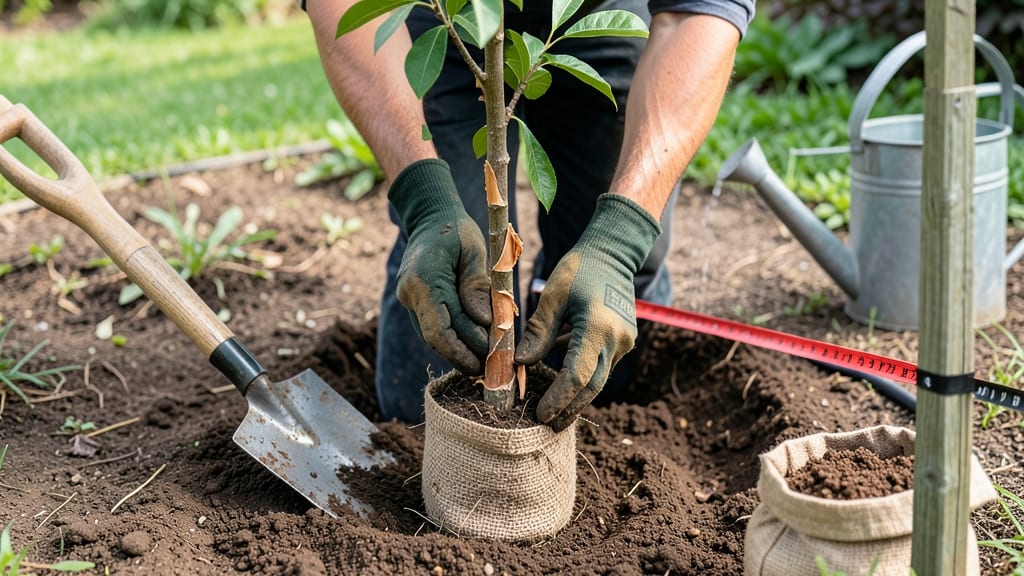
If you’ve ever dreamed of a backyard bursting with 🌸 crape myrtles in full, vibrant bloom, timing your planting in Oklahoma’s USDA Zone 7b is the secret weapon you’ve been missing.
Plant too early, and frost can stall growth; too late, and your tree might struggle to establish roots before summer’s brutal heat. The right window—whether in spring or fall—sets the stage for a showstopper landscape that thrives year after year.
Oklahoma’s climate is a double-edged sword: warm enough to tempt early planting but unpredictable enough to make timing critical. Most gardeners swear by late March through May or September through October, but local microclimates and soil conditions can shift those dates by weeks.
Let’s break down exactly when to plant for maximum success, so you can avoid common pitfalls and enjoy bold, long-lasting blooms from your first summer.
What makes Oklahoma’s Zone 7b unique isn’t just the heat—it’s the contrast between sudden spring freezes and scorching summers. Crape myrtles are tough, but they need a head start.
We’ll cover how to read your local frost dates, prep your soil for Oklahoma’s clay-heavy terrain, and choose the perfect spot to ensure your tree takes root like a champ.
Skip these steps, and you might end up with a leggy, underwhelming shrub instead of the stunning focal point you’re after.
Ready to transform your yard into a crape myrtle paradise? I’ll walk you through the exact planting schedule, soil tweaks, and care tips tailored to Oklahoma’s quirks.
By the end, you’ll know not just when to plant, but how to give your tree the best shot at thriving—so you can sit back and enjoy the showstopping blooms come summer.
Best planting months for crape myrtles in Oklahoma’s Zone 7b climate
Oklahoma’s USDA Zone 7b climate offers a long growing season—perfect for crape myrtles—but timing matters. Planting too early risks frost damage, while late planting delays root establishment. The ideal window is late March through May or September through October, aligning with soil warmth and rainfall patterns.
Crape myrtles need soil temperatures above 60°F to thrive. In Oklahoma, this typically occurs by mid-April in most regions, but microclimates near mountains or urban areas may vary. Fall planting works too, as long as roots establish before first frost (mid-November).
Here’s how Oklahoma’s frost-free days (180-210) impact planting: Spring plantings benefit from 6-8 weeks of warm soil before summer heat, while fall plantings get 8-10 weeks to root before dormancy. Both windows avoid the stress of summer heat or winter cold.
🌱 Crape Myrtle Planting Timeline for Oklahoma (Zone 7b)
| Season | Best Months | Soil Temp | Key Considerations |
|---|---|---|---|
| Spring | Late March–May | 60°F+ | Avoid late frosts; water deeply after planting. |
| Fall | September–October | 55°F+ | Stop watering 4-6 weeks before frost; mulch heavily. |
| Avoid | June–August | N/A | Extreme heat stresses roots; transplant shock risk. |
For container-grown crape myrtles, Oklahoma gardeners can plant anytime soil is workable (even summer), but expect slower establishment. Use self-watering pots and shade cloth to reduce stress during 100°F+ heat waves, which are common in Oklahoma summers.
Microclimates play a role: Southern Oklahoma (Zone 8a) can plant 1-2 weeks earlier than northern areas (Zone 6b). Check your last frost date—Oklahoma City averages March 15, while Tulsa may see frost until April 1. Use local weather data to fine-tune your schedule.
Pro tip: Bare-root crape myrtles need soaked roots before planting. Soak for 1-2 hours in water with a rooting hormone to boost survival rates. Oklahoma’s clay-heavy soils can dry quickly, so mulch immediately after planting to retain moisture.
If you miss the ideal window, don’t panic! June plantings can work with extra care: use shade cloth for the first 2 weeks and drip irrigation to keep roots moist. Just avoid planting in July or August—the heat will overwhelm young roots.
Remember: Fall planting has a hidden benefit—less competition from weeds and cooler soil reduce transplant shock. Aim to plant 6-8 weeks before first frost (typically by October 15 in Oklahoma). This gives roots time to establish before winter dormancy.
🌿 For maximum blooms, prioritize spring planting in Oklahoma. Trees planted in spring enter their first summer with strong root systems, leading to vibrant, long-lasting flowers—the reason crape myrtles are Oklahoma’s state tree!
Best planting months for crape myrtles in Oklahoma’s Zone 7b climate
Oklahoma’s Zone 7b climate offers two ideal windows for planting crape myrtles: late spring and early fall. These periods align with the tree’s natural growth cycles and Oklahoma’s frost-free dates, which typically range from mid-March to mid-November.
Planting outside these windows can stress your tree, leading to stunted growth or poor blooming.
For spring planting, aim for late March to May once soil temperatures reach 60°F. This gives roots time to establish before Oklahoma’s summer heat peaks. Fall planting should occur between September and October, allowing roots to settle before winter dormancy.
Both windows avoid the extreme heat of July-August and the frost risks of early spring or late fall.
🌱 Oklahoma Crape Myrtle Planting Timeline
| Season | Best Planting Window | Soil Temp Requirement | Oklahoma Climate Note |
|---|---|---|---|
| Spring | Late March – May | 60°F+ | Avoid early spring frosts; wait for consistent warmth. |
| Fall | September – October | 50°F+ | Plant 6-8 weeks before first frost for root establishment. |
Oklahoma’s microclimates can shift planting windows by 2-4 weeks. For example, southern Oklahoma (e.g., Lawton, Altus) may safely plant 2 weeks earlier than northern regions (e.g., Oklahoma City, Tulsa). Check your local frost dates—tools like the Old Farmer’s Almanac provide hyper-local data.
If you miss the ideal windows, container planting extends flexibility. Potted crape myrtles can be planted throughout the growing season, but they’ll need consistent watering and protection from intense afternoon sun during Oklahoma’s 100°F+ heat waves.
Just avoid planting in summer’s peak (June-July), when transplant shock risks rise.
Pro tip: Bare-root crape myrtles (sold dormant) can handle fall planting better than container-grown trees. Their roots establish faster in cooler soil, giving them a head start for spring blooming. For container plants, remove the pot and trim circling roots before planting to reduce transplant shock.
Remember, well-timed planting isn’t just about months—it’s about soil conditions. Use your finger to check soil moisture: if it’s dry 2 inches down, your crape myrtle is ready for deep watering after planting.
Pair this with mulch to retain moisture and regulate soil temps—critical in Oklahoma’s drought-prone summers.