
Plants
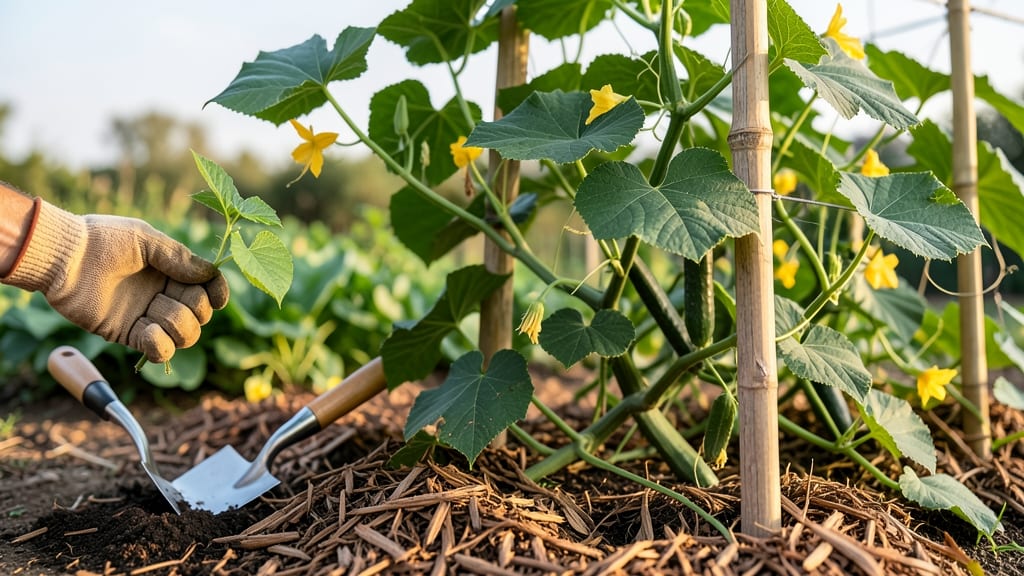
Timing your 🥒 cucumber planting in San Diego isn't just about following a calendar—it's about unlocking the secret to zero-bolt, high-yield harvests that keep producing all year long.
With frost-free winters and 365 days of growing potential, your local climate is a gardener's dream—but only if you plant at the right moment.
Most gardeners make one critical mistake: planting too early in spring or too late in summer, which leads to bitter fruit or wasted effort.
The best window for cucumbers in San Diego actually starts in early spring (March-April) and extends into late summer (August-September), when soil temperatures hit that sweet spot of 60°F+.
What you're about to discover isn't just about months—it's about microclimates. Coastal areas stay cooler longer, while inland spots can get scorching fast. I'll show you exactly how to adjust your planting schedule based on where you live in the county, plus three heat-tolerant varieties that thrive here without bolting.
Ready to turn your backyard into a year-round cucumber powerhouse? Let's dive into the precise planting times, soil prep secrets, and pro tips that will have you harvesting crisp, sweet cucumbers in just 55 days—no matter the season.
Best months to plant cucumbers in San Diego for maximum yield
San Diego’s USDA Zone 10a climate lets you grow cucumbers year-round, but the sweet spot for zero-bolt, high-yield harvests is during spring and late summer. The key is planting when soil temperatures hit 60°F+—this prevents bitter fruit and bolting, two common mistakes that kill yields.
Most gardeners in San Diego focus on March-April for spring planting and August-September for fall harvests. However, coastal areas like La Jolla stay cooler longer, while inland spots like Escondido can get scorching fast. I’ll break down the exact timing for both scenarios.
Here’s the golden rule: Plant cucumbers when your soil thermometer reads 60°F+ for at least 7 consecutive days. This ensures strong germination and prevents the bitter cucumber syndrome caused by cool soil.
For direct sowing (planting seeds straight into the ground), aim for:
- March 15–April 15 (spring)
- August 1–September 15 (fall)
These windows align with San Diego’s frost-free periods and avoid the heat stress of July.
If you’re starting seeds indoors, begin 4–6 weeks before your target outdoor planting date. This gives seedlings a head start in cooler months like February or October.
| Planting Window | Soil Temp Requirement | Best For | Avoid |
|---|---|---|---|
| March 15–April 15 | 60°F+ | Spring harvest (April–June) | Planting before March 1 (risk of bolting) |
| August 1–September 15 | 60°F+ | Fall harvest (September–November) | Planting after September 15 (heat stress) |
| February (indoors) | 55°F+ (seedlings) | Early spring transplant | Direct sowing before March 1 |
| October (indoors) | 55°F+ (seedlings) | Late fall transplant | Direct sowing after October 15 |
Pro tip: Use black plastic mulch to warm soil faster in cooler months. This raises soil temps by 5–10°F, helping you plant 2–3 weeks earlier in spring or 2 weeks later in fall.
For coastal San Diego (e.g., Pacific Beach, Del Mar), delay planting until April 1–May 1 due to cooler ocean breezes. Inland areas like Chula Vista or El Cajon can plant as early as March 1 without risk.
If you miss the spring window, don’t worry—late summer planting (August–September) still yields high-quality fruit before the October rains arrive. Just use shade cloth to protect plants from 90°F+ heat.
Remember: Harvest time is just 55 days after planting. The sooner you plant correctly, the sooner you’ll enjoy crisp, sweet cucumbers straight from your garden.
How to extend your cucumber growing season in San Diego’s climate
San Diego’s year-round frost-free climate gives you a unique advantage—you can grow cucumbers almost anytime. But to maximize your harvests, you’ll need to work with your local microclimates. Coastal areas like La Jolla stay cooler longer, while inland spots like Escondido can get brutally hot by mid-summer.
The key is adjusting your planting strategy to match these conditions.
For spring harvests, start seeds indoors in February and transplant after the last 40°F frost risk (which is rare but possible in high-elevation areas). Use black plastic mulch to warm the soil faster—this can shave 2-3 weeks off your growing season.
For fall harvests, plant seeds directly in August-September when daytime temps drop below 85°F.
🌱
- 1 Use shade cloth (30-50%) in summer to prevent bolting. String it above vines when temps exceed 90°F.
- 2 Try succession planting every 2 weeks from March to October. This ensures a continuous harvest without gaps.
- 3 Choose heat-tolerant varieties like 'Straight Eight' or 'Marketmore'. These handle 95°F+ temps better than standard types.
- 4 Mulch with straw to keep roots 10°F cooler in summer. This reduces water loss and prevents soil-borne diseases.
- 5 Harvest aggressively to signal plants to keep producing. Pick every 2-3 days during peak season (May-July).
If you live in a coastal microclimate, you can even plant cucumbers in December under row covers. The ocean breeze keeps temps mild, and with a south-facing trellis, you’ll get early spring harvests by February.
Inland gardeners should focus on shade and irrigation to protect plants during September-October heatwaves.
Don’t forget about container growing—it’s perfect for balconies or patios. Use 5-gallon pots with fast-draining mix and move them to shaded areas during peak afternoon sun. This lets you grow cucumbers even in small spaces without competing for garden real estate.
With these techniques, you can turn your San Diego garden into a year-round cucumber factory. The secret? Paying attention to microclimates, soil temps, and harvest timing. Start experimenting with one method this season—your taste buds (and dinner plate) will thank you!