
Plants
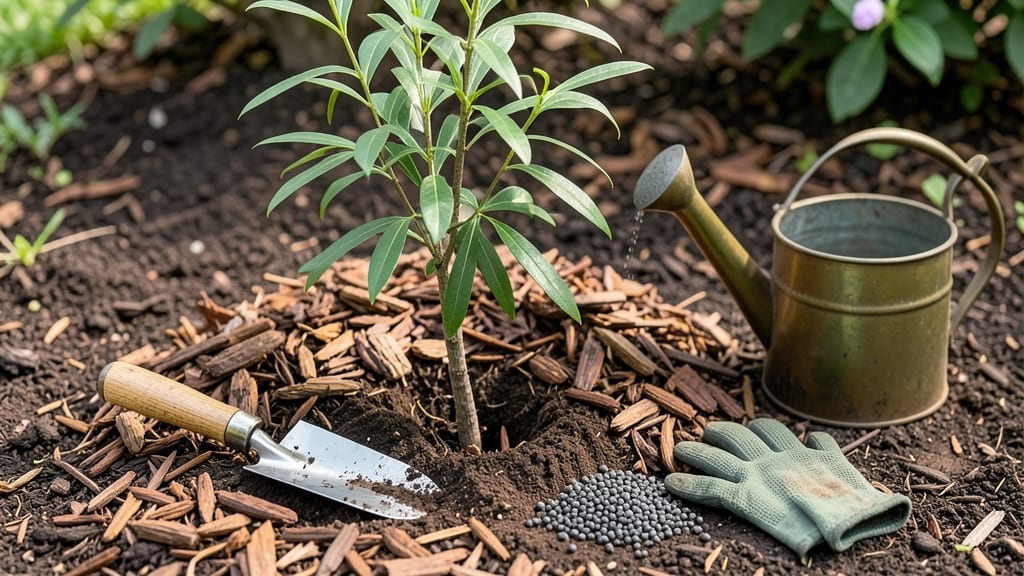
If you're dreaming of a backyard bursting with vibrant crape myrtle blooms 🌸 in Zone 9, timing your planting is the game-changer between success and disappointment. Planting at the wrong time can leave your shrub struggling through summer's heat or even fail to take root.
For Zone 9 gardeners, the ideal window stretches from late winter to early spring—specifically February through March—when soil temperatures warm up and frost risks fade away. This timing gives your crape myrtle the best start, helping it establish strong roots before the intense summer heat arrives.
But here's the catch: container planting and in-ground methods have slightly different needs. While both thrive with proper timing, container-grown crape myrtles can handle a slightly later start since you control their environment. We'll break down exactly how to time it right for your specific situation.
Discover the most efficient way to prepare your crape myrtle for Zone 9's climate, from soil prep to post-planting care, so you can enjoy those stunning summer flowers for years to come.
Best planting months for crape myrtle in Zone 9 (with climate considerations)
In Zone 9, timing your crape myrtle planting is critical—too early risks frost damage, while late planting stresses roots in summer heat. The ideal window is late winter to early spring, but microclimates (like coastal vs. inland) can shift this by weeks.
Let’s break down the best months and why they matter.
For Zone 9b, aim to plant between February and April. This aligns with soil temperatures rising above 60°F, giving roots time to establish before summer’s peak heat.
Coastal areas (like San Diego) may start as early as January, while inland desert regions (like Phoenix) should wait until March or April.
Here’s why March and April are peak months: cooler temps reduce transplant shock, and longer daylight hours boost growth. Avoid planting in May or later—summer’s 100°F+ heat can scorch young roots before they adapt.
Fall planting is risky in Zone 9. While some gardeners try September or October, the 300 frost-free days mean late fall heat lingers, stressing newly planted crape myrtles. If you must plant in fall, choose early September and prioritize root protection.
Soil temperature is your best guide. Use a soil thermometer—wait until readings stay above 60°F for 5+ days. In Zone 9, this usually happens by mid-March inland or late February near coasts.
Container-grown crape myrtles offer flexibility. You can plant them up to June, but they’ll need extra watering and shade cloth during the first month to survive. Bare-root plants, however, must go in during dormancy (winter) or early spring.
Mistake alert: Many gardeners plant in late spring (May), thinking summer’s here to stay. But heatwaves can still hit, and young crape myrtles wilt without deep roots. If you miss spring, wait until fall—but be prepared for slower establishment.
Pro tip: Mulch heavily after planting to retain moisture and regulate soil temps. Use 3–4 inches of organic mulch (like wood chips) and keep it 6 inches away from the trunk to prevent rot.
🌱
| Planting Window | Best For | Soil Temp | Zone 9 Risk |
|---|---|---|---|
| Late Winter (Feb) | Coastal areas | 55–60°F | Low frost risk |
| Early Spring (Mar–Apr) | Inland/desert | 60–70°F | Optimal growth |
| Fall (Sep–Oct) | Early September only | 70–80°F | Heat stress |
| Late Spring (May) | Container plants | 75°F+ | High transplant shock |
If you’re in a transition zone (e.g., Zone 8b to 9a), err on the side of earlier planting. For example, Las Vegas (Zone 9a) can plant in late February, while Tucson (Zone 9b) should wait until March.
Always check your local USDA Plant Hardiness Zone map for precise microclimate details. Tools like the Old Farmer’s Almanac also provide frost risk calendars tailored to your area.
Remember: Crape myrtles are drought-tolerant once established, but young plants need consistent moisture for the first 60 days. Plan your planting window to avoid summer dry spells—aim for spring rains to reduce your workload.
☀️
Best planting months for crape myrtle in Zone 9 (with climate considerations)
Zone 9’s mild winters and hot summers create a unique challenge for planting crape myrtles. Unlike colder zones, you don’t have to worry about frost damage, but the intense heat means timing matters more than ever.
The ideal window is late winter to early spring—specifically February through March—when soil temperatures rise above 60°F consistently.
This timing lets your crape myrtle establish roots before summer’s heat peaks. Planting too early (like January) risks cold snaps, while waiting until April or later can stress young plants during the hottest months.
For container-grown crape myrtles, you have a bit more flexibility—you can plant as late as early May since containers moderate temperature swings.
Here’s the key difference: In-ground planting thrives in March when soil warms up, while container planting can stretch into April or May without risking root shock. Both methods benefit from avoiding the peak summer heat of June through August, which can overwhelm new roots.
Zone 9’s microclimates also play a role. Coastal areas with cooler summers can plant slightly later (up to mid-April), while inland regions should aim for February to early March to avoid extreme heat. Always check your local last frost date—even in Zone 9, unexpected cold snaps can occur.
🌱 Crape Myrtle Planting Timeline for Zone 9
| Season | Best Planting Window | Soil Temp | Risk Level |
|---|---|---|---|
| Late Winter | February | 55-60°F | Low (cooler nights) |
| Early Spring | March | 60-65°F | Moderate |
| Late Spring | April | 65-70°F | High (heat stress) |
| Summer | June-August | 80°F+ | Very High (avoid) |
⚠️ Pro Tip: Use a soil thermometer to confirm temps before planting—crape myrtles need warm soil to thrive.
Many gardeners mistakenly plant crape myrtles in late summer or fall, thinking they’ll establish roots before winter. However, this often leads to transplant shock as the plant struggles to adapt to rapid temperature changes and drought conditions.
If you miss the spring window, opt for container planting in early fall (September) to give roots time to settle before winter.
Once planted at the right time, your crape myrtle will reward you with stunning summer blooms and minimal stress. Pair this timing with proper watering and mulching, and you’ll set your plant up for years of vibrant growth in Zone 9’s challenging climate.