
Plants
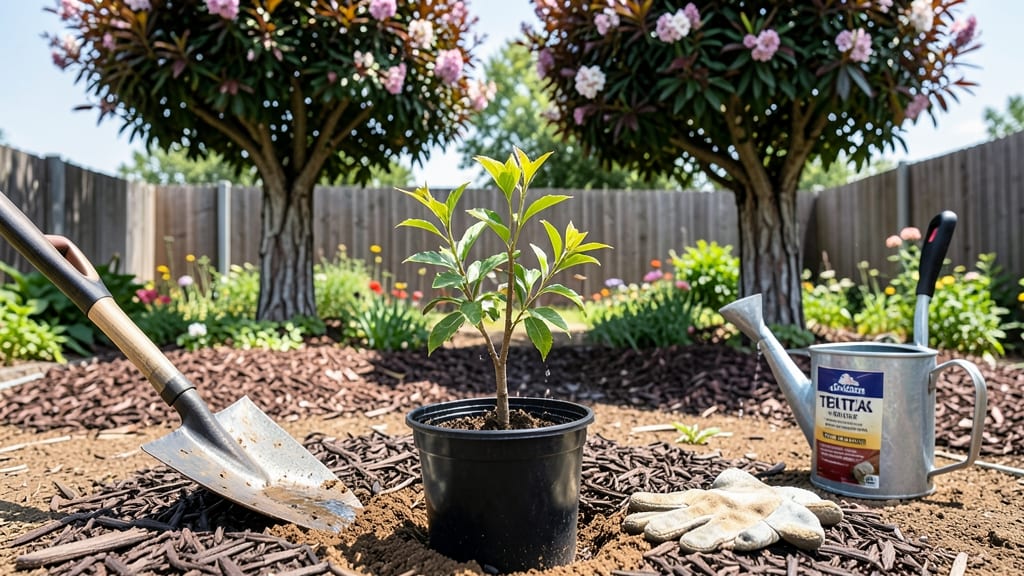
Planting your 🌸 crape myrtle at the wrong time in Texas can mean the difference between a showstopping garden centerpiece and a sad, struggling shrub.
The key to thriving growth lies in understanding when to plant crape myrtle in Texas—because those late frosts in North Texas or early heatwaves in South Texas won't give your young tree a fighting chance if you're not careful.
Most Texas gardeners swear by late winter to early spring (February-March) as the ideal window, but there's a smart alternative for those who prefer fall planting. The secret? Timing it right so your crape myrtle establishes strong roots before summer's brutal heat or winter's chilling winds.
I'll show you exactly how to read your local climate cues and adjust your planting schedule for maximum success.
Whether you're in the 8a-10b zones of North Texas or the balmier South Texas regions, the right timing makes all the difference. We'll break down regional variations so you can avoid common mistakes that lead to stunted growth or even plant death.
Let's get your crape myrtle off to the best possible start.
You'll discover how to prepare your soil, choose the perfect window based on your specific Texas location, and give your new tree the fighting chance it deserves. With these insights, you'll be well on your way to enjoying those stunning summer blooms for years to come.
Best months to plant crape myrtle in Texas by hardiness Zone
Texas spans USDA Zones 7-10, creating dramatic differences in frost risk and planting windows. In North Texas (Zones 7-8), late frosts can linger until mid-March, while South Texas (Zones 9-10) enjoys frost-free winters.
This means your Dallas crape myrtle needs a different strategy than your Houston variety—let's break it down by zone to avoid costly mistakes.
For bare-root crape myrtles, the ideal window is February through March in North Texas, when soil temperatures hit 60°F+.
In South Texas, you can plant as early as January—but watch for unpredictable cold snaps that can damage tender roots. Container-grown plants give you 2-3 extra weeks of flexibility since their roots aren't exposed to temperature swings.
Here's the golden rule: Plant crape myrtles when soil temps reach 60°F and stay above 50°F at night. Use a soil thermometer ($10 at garden centers) to check—this prevents root shock from sudden temperature drops.
In Zone 8, aim for late February to early March; in Zone 9-10, January to early February works perfectly.
| USDA Zone | Best Planting Window | Soil Temp Requirement | Frost Risk |
|---|---|---|---|
| 7a-7b (North TX) | Late March - Early April | 60°F+ consistently | High (last frost: March 15) |
| 8a-8b (Central TX) | February - March | 60°F+ nightly | Moderate (last frost: Feb 15) |
| 9a-9b (East/Central TX) | January - February | 55°F+ minimum | Low (occasional cold snaps) |
| 10a-10b (South TX) | December - January | 50°F+ minimum | Very Low (rare frost) |
Fall planting is your secret weapon for Texas crape myrtles—especially in Zones 8-10. Plant in September or October to let roots establish before summer heat arrives. This method doubles survival rates because young trees focus energy on root growth instead of foliage when temperatures drop.
For container plants, you can extend this window until November 1st in most regions.
Pro tip: Mulch heavily (3-4 inches of organic mulch) when planting in fall to insulate roots during winter. Use pine straw or shredded bark—these materials retain moisture while preventing soil compaction. Avoid fresh wood chips, which can steal nitrogen from your young tree's roots during decomposition.
If you're in Zone 7a (like the Panhandle), consider container growing for the first year. You can move pots indoors during winter or bury them in ground level with straw mulch for extra protection. This buys you 2-3 extra growing seasons before transplanting permanently.
Watch for false springs—those warm spells in January or February that trick you into planting early. Crape myrtles won't tolerate frost after breaking dormancy. Check your local National Weather Service frost alerts or use freeze-proof plant blankets if you must plant early in Zone 7-8 areas.
For urban gardeners, timing also depends on heat island effects. Areas near concrete or pavement can be 5-10°F warmer than rural zones, creating microclimates where you can plant 2-3 weeks earlier. Use a minimum-maximum thermometer to track your specific site conditions for 30 days before planting.
Remember: Crape myrtles hate wet feet. If your spring rains are heavy, delay planting until soil drains properly. Stick your finger 6 inches deep—if it's soggy after 24 hours, wait another week. Well-draining soil is non-negotiable for Texas crape myrtles.
Regional planting variations: North Texas vs. South Texas timing
Texas stretches across multiple USDA hardiness zones, creating dramatic differences in planting windows for crape myrtle. North Texas gardeners face earlier frost risks, while South Texas enjoys longer growing seasons.
These regional variations can shift your ideal planting window by up to 6 weeks, so let’s break it down by area.
In North Texas (Zones 7b-8a), like Dallas and Fort Worth, the last frost typically arrives around mid-February. This means your primary planting window opens in late February to early March.
However, fall planting is also viable from September 15 to October 15, giving roots time to establish before winter chill sets in.
For South Texas (Zones 8b-10a), including Houston and San Antonio, the climate is far more forgiving. The last frost rarely occurs after January 15, so you can plant as early as late January or even early February.
Fall planting extends until late October or November, thanks to milder winters.
| Region | Spring Planting Window | Fall Planting Window | Key Consideration |
|---|---|---|---|
| North Texas (Zones 7b-8a) | Late February - Early March | September 15 - October 15 | Avoid late frosts; mulch heavily |
| South Texas (Zones 8b-10a) | Late January - Early February | Late October - November | Longer growing season; watch for summer heat stress |
| West Texas (Zones 7a-8b) | March - Early April | September - October | Drought conditions; prioritize deep watering |
Beyond frost dates, irrigation needs also vary by region. North Texas crape myrtles require consistent watering during the first growing season to combat dry winds, while South Texas plants may need less frequent but deeper watering due to higher humidity and occasional summer rains.
If you’re in a transition zone, like Austin (Zone 8a), aim for late February to early March in spring and mid-October to November in fall. Always check your local Cooperative Extension Service for precise frost data—your crape myrtle’s success depends on it!
Pro tip: Container-grown crape myrtles can be planted 2-3 weeks later than bare-root varieties, as their roots are less vulnerable to cold snaps. Adjust your timing accordingly for a head start on blooms!